For industrial applications involving zinc suboxide powder, the efficient and reliable transport of this material is crucial. The zinc suboxide powder conveying system developed by Shandong HeadPowder Engineering Co., Ltd. addresses these needs with a robust design tailored to handle the unique properties of zinc suboxide. This article explores the operational process and underlying working principles of such a system, highlighting key components and the systematic approach to material handling.
System Overview and Key Components
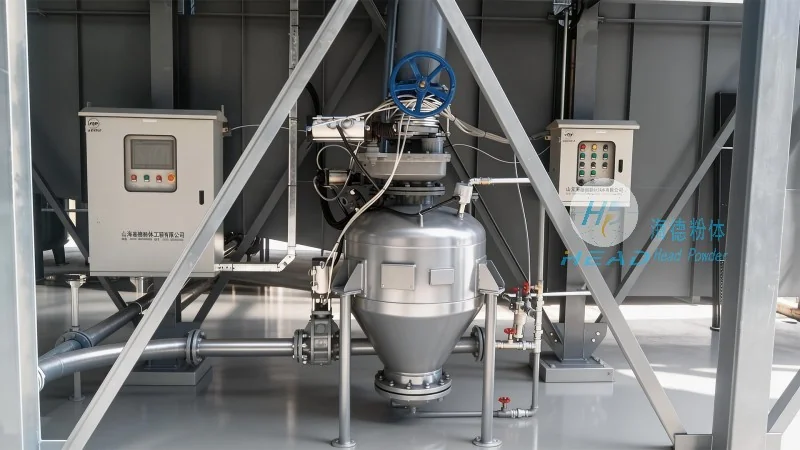
The zinc suboxide powder conveying system typically consists of several integrated components that work in tandem to ensure smooth material transport. At the core of the system is the feeding mechanism, which is responsible for introducing the zinc suboxide powder into the conveying path. This component may include a hopper or a feeding hopper equipped with a rotary valve or a screw feeder to control the flow rate and prevent material bridging or clogging. The feeding mechanism is designed to handle the fine, potentially abrasive nature of zinc suboxide, ensuring consistent and controlled material introduction.
Following the feeding stage, the material is directed into the conveying section. This section may utilize various technologies such as pneumatic conveying, mechanical screw conveyors, or air-lift systems, depending on the specific requirements of the application. For zinc suboxide, which can be sensitive to moisture and temperature, the system often incorporates sealed and insulated components to maintain the material's quality. The conveying line is equipped with appropriate piping or troughs, and may include check valves or flow regulators to manage the material's movement and prevent backflow.
Operational Process: Step-by-Step Execution
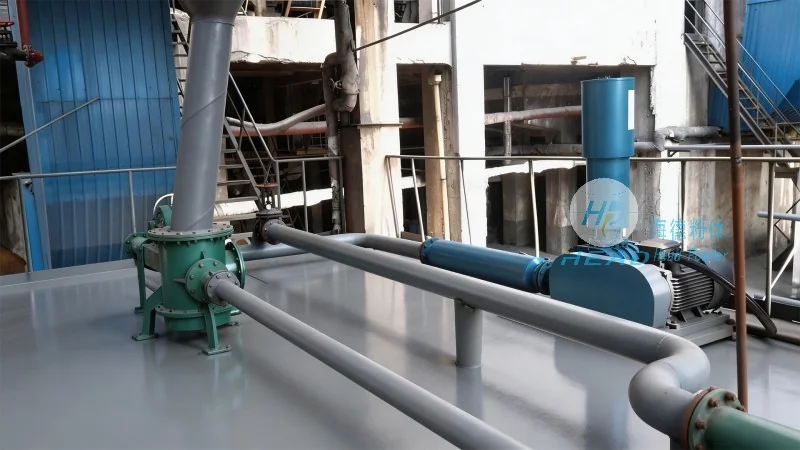
The operation of the zinc suboxide powder conveying system follows a structured sequence that ensures optimal performance and material integrity. The process begins with the preparation of the feeding hopper, which is loaded with the zinc suboxide powder. The rotary valve or screw feeder then starts, gradually releasing the material into the conveying line at a controlled rate. This controlled release is critical to avoid overloading the downstream components and to maintain a steady flow.
As the powder moves through the conveying section, it is propelled by either air pressure (in pneumatic systems) or mechanical force (in screw conveyors). The system's control panel monitors key parameters such as pressure, flow rate, and temperature, adjusting the operation in real-time to maintain optimal conditions. For example, if the pressure drops, the system may increase the air supply or adjust the feeding rate to prevent material stagnation. This feedback loop ensures consistent performance and prevents damage to the equipment.
The conveying process continues until the material reaches the discharge point, where it is collected in a receiving hopper or storage silo. The discharge mechanism, often a rotary valve or a gate valve, regulates the release of the zinc suboxide powder into the next stage of the production process. Throughout this entire operation, the system is designed to minimize dust generation and ensure environmental compliance, with features like dust collection systems and sealed enclosures.
Working Principle: Mechanics and Control Systems
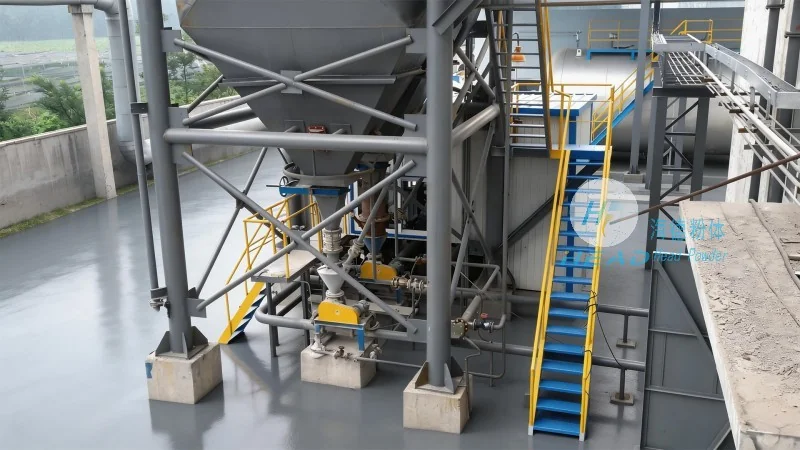
The working principle of the zinc suboxide powder conveying system is rooted in the integration of mechanical, pneumatic, and control technologies. The system operates on the principle of material transport through a closed or semi-closed path, where the powder is moved from the source to the destination without direct human intervention. In pneumatic conveying systems, for instance, the material is suspended in a stream of air and transported through the pipeline. The air pressure and velocity are carefully controlled to ensure the powder remains in suspension and reaches the discharge point efficiently.
Mechanical screw conveyors, on the other hand, rely on the rotation of a screw within a trough to move the material forward. The screw's pitch and speed are optimized to handle the specific characteristics of zinc suboxide, such as its fineness and potential stickiness. The system's control system plays a vital role in coordinating these mechanical and pneumatic actions. It uses sensors to monitor parameters like pressure, flow, and temperature, and adjusts the operation of the feeding, conveying, and discharge components accordingly. This closed-loop control ensures that the system operates within safe and efficient parameters, preventing issues like overloading or under-conveying.
Advantages and Applications in Industrial Settings
The zinc suboxide powder conveying system developed by Shandong HeadPowder Engineering Co., Ltd. offers several advantages that make it suitable for various industrial applications. One key advantage is its ability to handle fine powders like zinc suboxide without causing degradation or contamination. The system's sealed design and insulation help maintain the material's quality, which is critical for downstream processes that may require high-purity zinc suboxide. Additionally, the system's modular design allows for easy integration into existing production lines, reducing downtime and installation costs.
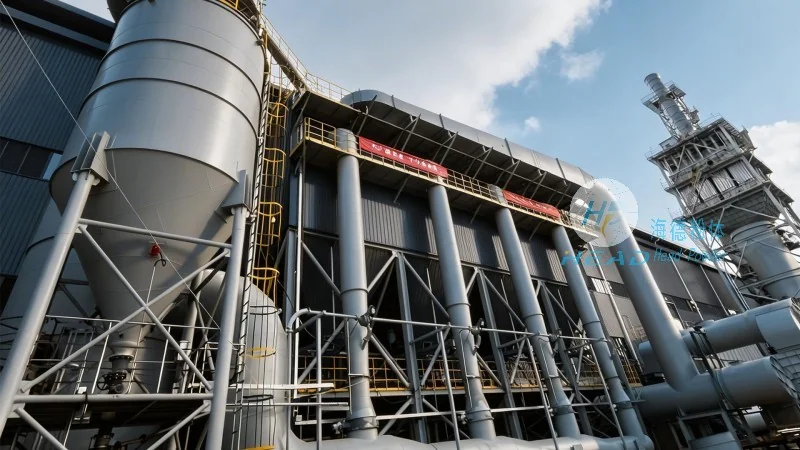
Applications of this conveying system span multiple industries, including chemical manufacturing, pharmaceuticals, and metal processing. In chemical plants, the system is used to transport zinc suboxide to reactors or storage tanks, ensuring a continuous supply of raw material. In pharmaceutical applications, the system may be used to move the powder to mixing or packaging equipment, where precision and cleanliness are paramount. The system's reliability and efficiency make it a preferred choice for industries that require consistent and high-quality material transport.
Conclusion: Ensuring Efficiency and Reliability
In conclusion, the zinc suboxide powder conveying system from Shandong HeadPowder Engineering Co., Ltd. is a sophisticated solution designed to meet the demanding requirements of industrial material handling. By understanding the operational process and working principles of such a system, users can appreciate the importance of each component and the systematic approach to ensuring efficient and reliable transport of zinc suboxide powder. The integration of advanced control systems, robust mechanical components, and careful design considerations ensures that this system delivers consistent performance, maintains material quality, and supports the overall productivity of industrial operations.




