The sodium fluorosilicate powder conveying system is a critical component in industrial processes, particularly in the production and handling of sodium fluorosilicate, a compound widely used in various applications such as water treatment, glass manufacturing, and chemical synthesis. This system is designed to efficiently transport the powder material from storage to processing units, ensuring consistent flow and minimizing material loss. The operation of this system involves several key stages, each working in tandem to achieve optimal performance.
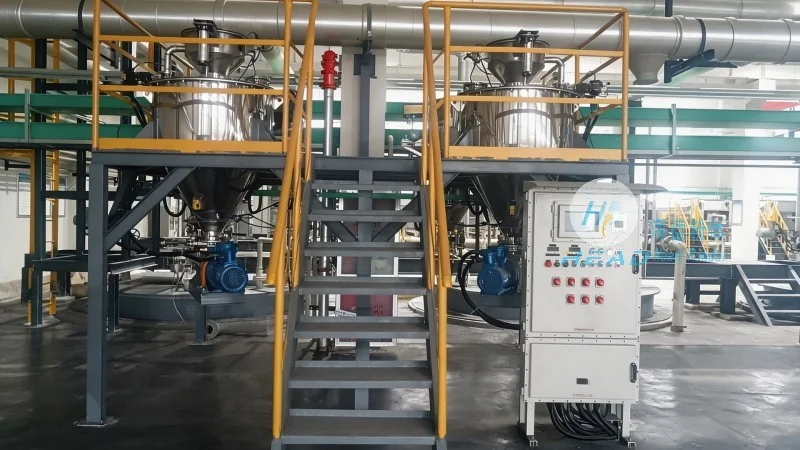
Company Overview: Shandong HeadPowder Engineering Co., Ltd.
HeadPowder, as the manufacturer of this advanced conveying system, is a leading company based in Shandong, China. With years of experience in powder handling technology, HeadPowder specializes in developing and supplying high-quality equipment tailored to the specific needs of industrial clients. The company's commitment to innovation and quality ensures that their sodium fluorosilicate powder conveying systems meet the highest standards of efficiency and reliability.
System Components and Their Functions
The sodium fluorosilicate powder conveying system typically consists of several essential components, each playing a vital role in the overall operation. These components include the hopper for material storage, a feeder to control the flow rate, a conveyor (such as a screw or pneumatic conveyor) for transporting the powder, and a control system to regulate the entire process. The hopper is designed to hold a sufficient quantity of sodium fluorosilicate, ensuring a steady supply to the feeder. The feeder, often a rotary valve or a vibratory feeder, regulates the discharge rate, preventing overloading or underflow. The conveyor then transports the powder to the processing unit, where it is used in subsequent steps. The control system monitors parameters like flow rate, pressure, and temperature, adjusting the operation as needed to maintain optimal performance.
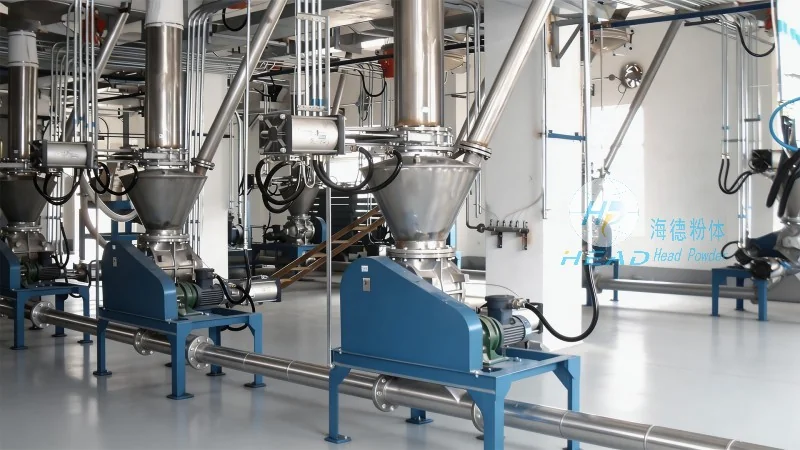
Operation Process of the Powder Conveying System
The operation of the sodium fluorosilicate powder conveying system begins with the loading of the hopper. The material is fed into the hopper from a storage silo or a bulk container. Once the hopper is filled, the feeder starts to discharge the powder at a controlled rate. The feeder's speed is adjusted based on the system's requirements, ensuring that the conveyor receives a consistent flow of material. The conveyor then transports the powder to the processing unit, where it is further processed or used in downstream applications. Throughout the process, the control system continuously monitors the flow rate, pressure, and other parameters to ensure that the system operates within safe and efficient limits. Any deviations are immediately detected and corrected by the control system, preventing system failures or material blockages.
Working Principle of the Conveying Mechanism
The working principle of the sodium fluorosilicate powder conveying system is based on the principles of powder flow and mechanical transport. The system utilizes a combination of gravity and mechanical force to move the powder from the hopper to the conveyor and then to the processing unit. The feeder controls the initial flow rate, while the conveyor provides the necessary force to transport the material over longer distances. For screw conveyors, the rotating screw pushes the powder forward, creating a positive displacement that ensures continuous flow. For pneumatic conveyors, compressed air is used to create a pressure differential, drawing the powder through the system. The choice of conveyor type depends on factors such as the material's properties, the required distance, and the system's capacity. In the case of sodium fluorosilicate, which is a fine powder with good flow characteristics, a screw conveyor is often preferred due to its ability to handle fine powders without causing blockages.
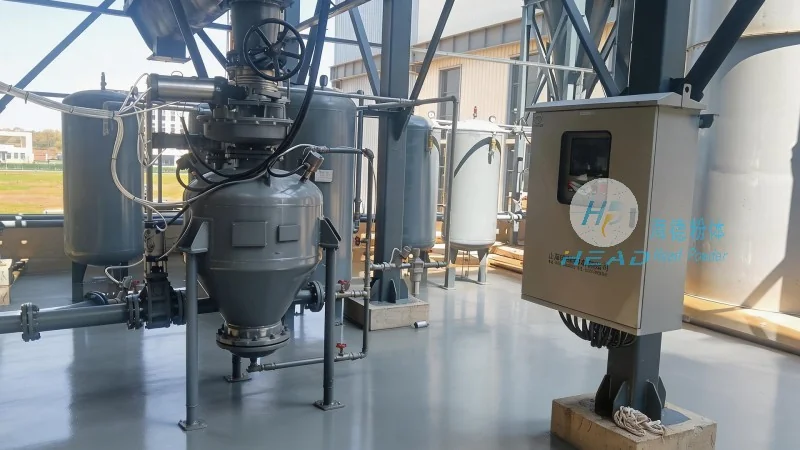
Key Features and Benefits of the System
HeadPowder's sodium fluorosilicate powder conveying system offers several key features that enhance its performance and reliability. These features include a robust hopper design that minimizes material degradation and ensures consistent flow, a precise feeder that controls the discharge rate with high accuracy, and a durable conveyor that can handle the abrasive nature of sodium fluorosilicate. The system also includes a control panel with intuitive interfaces, allowing operators to monitor and adjust the process parameters easily. The benefits of using this system include improved production efficiency, reduced material loss, and enhanced safety in the workplace. By ensuring a smooth and continuous flow of sodium fluorosilicate, the system helps to minimize downtime and increase overall productivity.
Maintenance and Troubleshooting Tips
To ensure the long-term performance of the sodium fluorosilicate powder conveying system, regular maintenance is essential. HeadPowder recommends periodic inspections of the hopper and feeder to check for wear and tear, as well as cleaning the system to remove any accumulated material. The conveyor should be checked for blockages or damage, and the control system should be calibrated regularly to maintain accurate readings. In case of system issues, such as reduced flow or increased pressure, operators should refer to the troubleshooting guide provided by HeadPowder. Common issues may include clogged hoppers, worn-out feeder parts, or air leaks in pneumatic systems. By addressing these issues promptly, the system can be restored to optimal performance, minimizing downtime and maintaining production efficiency.




