Efficient and reliable transportation of copper powder is a critical challenge in various industrial applications, particularly in the manufacturing and processing sectors where precision and material integrity are paramount. Traditional methods such as manual handling or mechanical conveyors often fall short in meeting the demands of modern production lines, leading to issues like material degradation, contamination, and operational inefficiencies. To address these challenges, advanced pneumatic conveying systems have emerged as a preferred solution, offering a hygienic, low-maintenance, and high-capacity approach to moving copper powder from one location to another. This article explores the design principles and key considerations for a copper powder pneumatic conveying system, highlighting the expertise of Shandong HeadPowder Engineering Co., Ltd., a leading provider in the field.
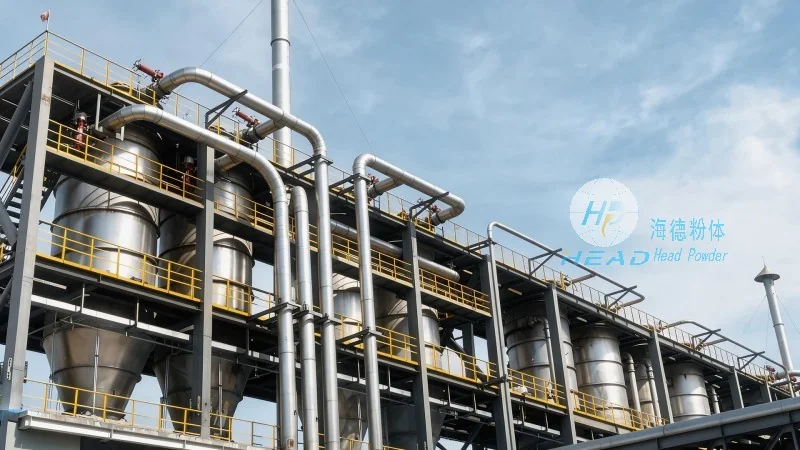
Company Profile: Shandong HeadPowder Engineering Co., Ltd.
HeadPowder, the professional brand under Shandong HeadPowder Engineering Co., Ltd., specializes in the design, manufacturing, and implementation of customized material handling solutions. With a strong foundation in engineering and a deep understanding of material properties, HeadPowder has established itself as a trusted partner for industries dealing with abrasive, dusty, or valuable powders like copper. The company is headquartered in Shandong, China, where it leverages local manufacturing capabilities and technical expertise to deliver high-quality systems tailored to specific client needs. By focusing on innovation and customer-centric solutions, HeadPowder ensures that each pneumatic conveying system is optimized for performance, durability, and operational safety.
Key Design Considerations for Copper Powder Pneumatic Conveying
The successful design of a copper powder pneumatic conveying system involves a comprehensive evaluation of several critical factors to ensure optimal performance and longevity. First, the material characteristics of copper powder, including its particle size distribution, density, and flowability, play a pivotal role in determining the most suitable conveying method. For example, fine copper powders may require high-pressure or dense-phase conveying to prevent segregation and ensure uniform flow, while larger particles might benefit from low-pressure or dilute-phase systems. Additionally, the system's capacity requirements—whether for continuous or batch operations—dictate the selection of appropriate equipment such as blowers, cyclones, and hoppers. The choice of materials for system components is another crucial aspect, as copper powder can be corrosive or abrasive, necessitating the use of stainless steel or specialized coatings to protect against wear and degradation. Furthermore, the integration of safety features, such as dust collection systems and pressure relief valves, is essential to comply with industrial regulations and protect personnel from potential hazards.
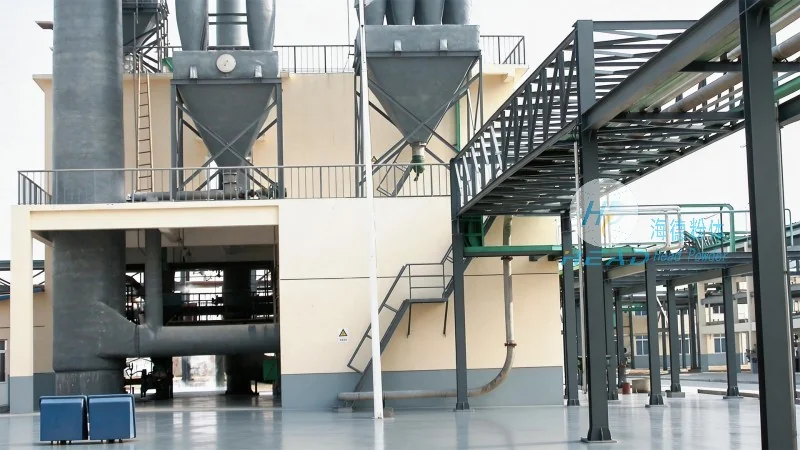
System Components and Their Functions
A typical copper powder pneumatic conveying system comprises several interconnected components, each serving a specific function to facilitate efficient material transport. The primary components include a material feed hopper, which stores and feeds the copper powder into the system, often equipped with level sensors to monitor inventory and prevent overfilling. The feeder, usually a rotary or vibratory type, ensures a consistent flow of material into the conveying line. Next, the blower or compressor provides the necessary air pressure to move the powder through the system, with options ranging from positive displacement blowers for high-pressure applications to centrifugal compressors for lower pressure needs. The conveying line itself, typically made of stainless steel or plastic, transports the powder-air mixture from the feed point to the discharge point. At the discharge end, a cyclone separator or filter separates the copper powder from the air, allowing the powder to be collected in a receiving bin while the air is either recirculated or vented to the environment. Additional components may include check valves to prevent backflow, pressure regulators to maintain stable pressure, and control panels to monitor and adjust system parameters in real-time.
Advantages of Pneumatic Conveying for Copper Powder
Compared to traditional mechanical conveyors, pneumatic conveying systems offer several distinct advantages that make them ideal for copper powder handling. One of the most significant benefits is the ability to transport materials in a closed system, which minimizes dust exposure and contamination, thereby maintaining the purity of the copper powder. This is particularly important in applications where the powder is used in sensitive processes, such as electronics manufacturing or aerospace components. Additionally, pneumatic systems are highly flexible, allowing for changes in the conveying route or capacity without major modifications to the infrastructure. They also provide better control over the material's velocity and flow rate, reducing the risk of particle degradation or agglomeration. From an operational perspective, pneumatic conveying systems are generally low-maintenance, as they have fewer moving parts compared to mechanical conveyors, and can be easily integrated with existing production lines. Furthermore, the system's ability to handle both horizontal and vertical transport makes it versatile for various plant layouts, enabling efficient material movement across different levels or areas of a facility.
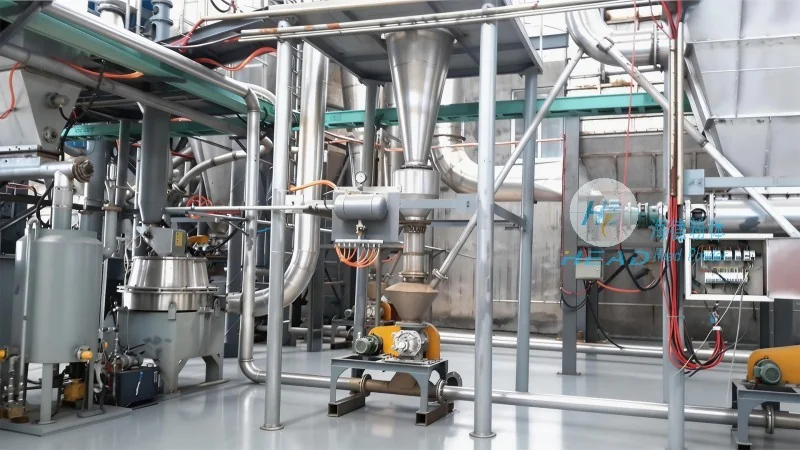
Customization and Application Examples
HeadPowder understands that each industrial application has unique requirements, and therefore, offers customized copper powder pneumatic conveying solutions tailored to specific client needs. For instance, in a copper smelting plant, the system may be designed to handle large volumes of fine copper powder from storage silos to processing furnaces, ensuring a continuous supply of raw material. In a copper alloy manufacturing facility, the system could be configured to transport mixed copper powders with other additives, maintaining the desired composition and preventing segregation during transport. Another application could be in a copper powder coating plant, where the system is used to deliver the powder to a spray booth or coating line, with precise control over the flow rate to achieve uniform coating thickness. By leveraging advanced design software and engineering expertise, HeadPowder ensures that each system is optimized for the specific characteristics of the copper powder and the operational environment, resulting in improved efficiency and reduced downtime.
Conclusion and Future Outlook
In conclusion, the design of a copper powder pneumatic conveying system is a complex yet essential process that requires a deep understanding of material properties, system dynamics, and industrial requirements. Shandong HeadPowder Engineering Co., Ltd., through its brand HeadPowder, has positioned itself as a leading provider of such systems, combining technical expertise with customer-centric solutions to meet the evolving needs of industries dealing with copper powder. As manufacturing processes continue to demand higher efficiency and precision, the role of advanced material handling systems like pneumatic conveyors will only grow in importance. With a focus on innovation, quality, and reliability, HeadPowder is well-equipped to deliver cutting-edge copper powder pneumatic conveying systems that enhance operational performance, ensure material integrity, and contribute to the overall success of industrial clients.




