For dust extraction stations, efficient powder conveying equipment is crucial to ensure the smooth operation of material handling processes. This article will delve into the operation process and working principle of such equipment, providing a comprehensive understanding of how it functions to maintain the integrity and safety of material transport within industrial settings.
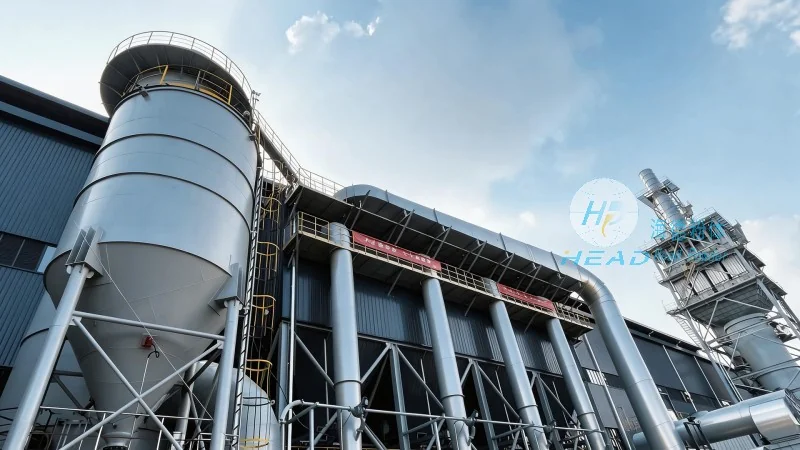
Powder Conveying Equipment Overview
HeadPowder, a leading manufacturer based in Shandong, China, specializes in the design and production of advanced powder conveying systems tailored for dust extraction stations. The company's equipment is engineered to handle various types of powders, including fine particles and bulk materials, with high precision and reliability. The core components of these systems typically include feeders, conveyors, control systems, and dust collection units, all integrated to form a seamless material transport solution. By leveraging cutting-edge technology and robust construction, HeadPowder's equipment ensures minimal material loss, low energy consumption, and consistent performance under diverse operational conditions.
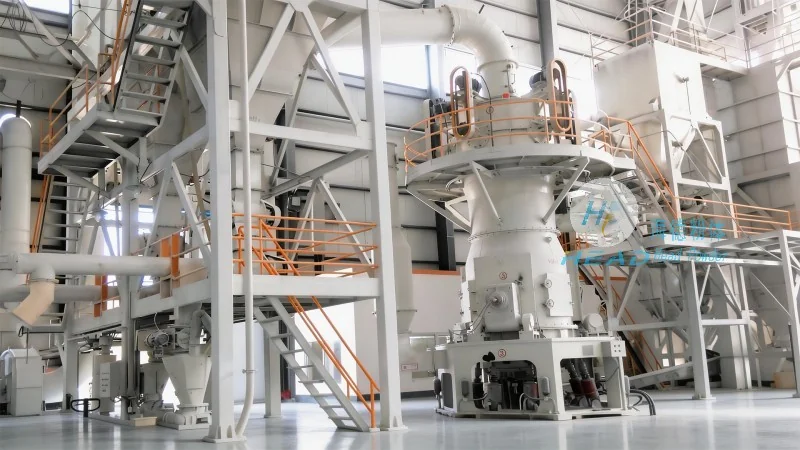
Operation Process of Powder Conveying Equipment
The operation process of powder conveying equipment in dust extraction stations begins with the material feeding stage. The feeder, often a rotary valve or a screw feeder, regulates the flow of powder from the storage silo or hopper into the conveying line. This controlled feeding prevents overloading and ensures a steady supply of material to the conveyor. Next, the material is transported through the conveyor system, which may consist of pneumatic or mechanical components. Pneumatic conveyors use compressed air to move powders through pipelines, while mechanical conveyors employ belts, buckets, or screws to transport materials. The choice of conveyor type depends on factors such as material properties, distance, and environmental requirements. Once the material reaches the discharge point, it is released into the next processing stage or storage area. Throughout the process, the control system monitors key parameters like pressure, flow rate, and temperature, adjusting operations in real-time to maintain optimal performance. Regular maintenance and monitoring are essential to ensure the equipment operates efficiently and safely, minimizing downtime and maximizing productivity.
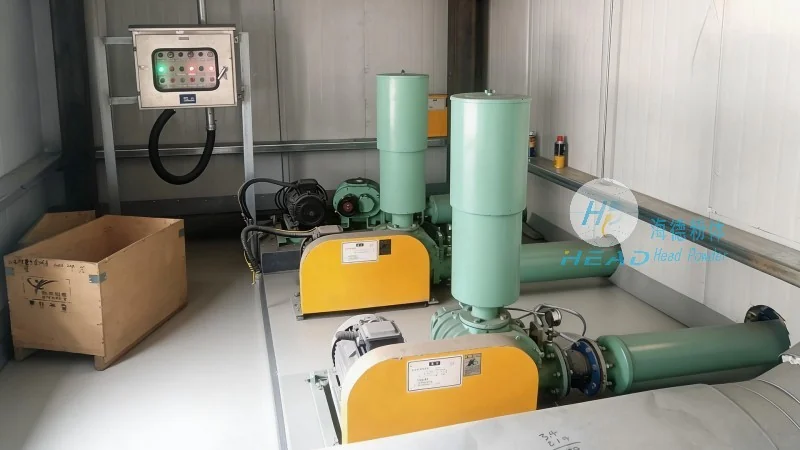
Working Principle of Powder Conveying Equipment
The working principle of powder conveying equipment revolves around the fundamental mechanisms of material transport and control. For pneumatic systems, the process starts with the creation of a pressure differential between the inlet and outlet of the conveying line. Compressed air is introduced at the inlet, generating a flow that entrains the powder particles and propels them through the pipeline. The air-powder mixture travels at high velocity, ensuring efficient transport over long distances. The design of the pipeline, including bends and fittings, is optimized to minimize pressure loss and maintain consistent flow. In mechanical systems, the working principle involves the rotation of conveying elements, such as screws or belts, which physically move the material along the conveyor path. The speed and torque of these components are carefully controlled to match the material's characteristics and the required transport rate. Dust extraction stations often integrate these systems with dust collection devices, such as cyclones or bag filters, to capture any airborne particles and prevent environmental contamination. The combination of conveying and dust control technologies ensures that the entire process is both effective and environmentally compliant. HeadPowder's equipment incorporates advanced sensors and automation features to enhance the working principle, allowing for precise control and adaptive operation based on real-time conditions.
Key Features and Benefits
HeadPowder's powder conveying equipment for dust extraction stations offers several key features that enhance performance and reliability. These include high conveying efficiency, which minimizes material loss and ensures consistent delivery to downstream processes. The equipment is designed for durability, with robust materials and components that withstand harsh industrial environments. Energy efficiency is another critical feature, as the systems are optimized to reduce power consumption while maintaining performance. Additionally, the equipment is equipped with advanced control systems that enable remote monitoring and operation, improving operational flexibility and reducing maintenance needs. The integration of dust collection technology ensures compliance with environmental regulations and maintains a clean working environment. These features collectively contribute to improved productivity, reduced operational costs, and enhanced safety in dust extraction stations.
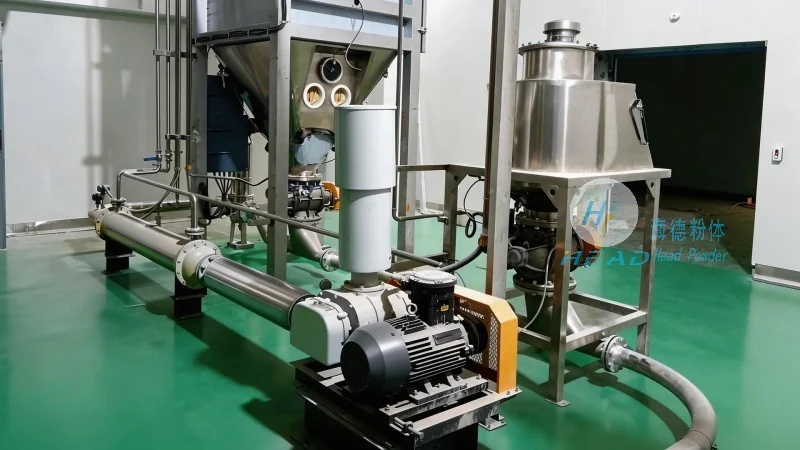
Application and Installation Considerations
The powder conveying equipment from HeadPowder is widely used in various industrial applications, including pharmaceuticals, food processing, chemical manufacturing, and mining. The equipment is adaptable to different material types and processing requirements, making it suitable for a broad range of industries. Installation of the equipment requires careful planning to ensure proper integration with existing dust extraction systems. The company provides comprehensive installation services, including site assessment, system design, and commissioning, to ensure smooth implementation. Proper maintenance is essential to maintain the equipment's performance and longevity. HeadPowder offers technical support and maintenance services to help customers optimize their equipment and address any issues that may arise. The company's commitment to quality and customer satisfaction ensures that clients receive reliable and efficient solutions tailored to their specific needs.




