HeadPowder, a leading provider of industrial powder handling solutions, specializes in designing and manufacturing efficient bulk bag unloading stations. These systems are crucial for industries that handle large quantities of powders, ensuring safe, reliable, and automated material transfer. The following article delves into the operation process and working principle of such equipment, highlighting key components and their functions.
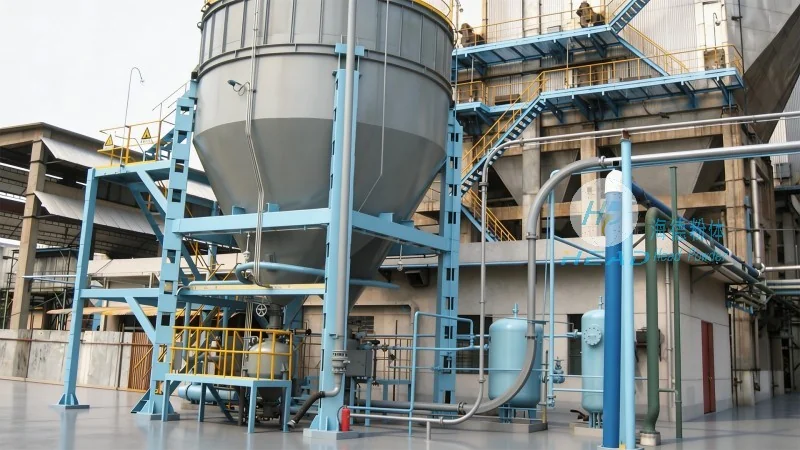
Key Components of the Bulk Bag Unloading Station
The bulk bag unloading station typically consists of several core components that work in tandem to facilitate the powder transfer process. These include the bulk bag support frame, the discharge valve, the conveyor system, and the dust collection unit. Each component plays a vital role in ensuring the smooth and safe operation of the equipment.
First, the bulk bag support frame is designed to securely hold the bulk bag in place. It is usually constructed from sturdy steel or aluminum, providing stability and preventing the bag from tipping or shifting during the unloading process. The frame is equipped with adjustable clamps or straps that can accommodate different bag sizes and shapes, ensuring a secure fit.
Next, the discharge valve is a critical component that controls the flow of powder from the bag. It is typically a bottom-discharge valve that can be operated manually or automatically. The valve is designed to open and close precisely, allowing for controlled release of the material. Some models feature a pneumatic or electric actuator that enables remote operation, enhancing safety and efficiency.
Following the discharge valve is the conveyor system, which transports the powder from the bag to the desired storage or processing location. The conveyor can be a screw conveyor, belt conveyor, or pneumatic conveyor, depending on the specific application and material characteristics. The choice of conveyor type is determined by factors such as the powder's flowability, moisture content, and particle size. For example, a screw conveyor is suitable for free-flowing powders, while a pneumatic conveyor is ideal for dusty or fine powders.
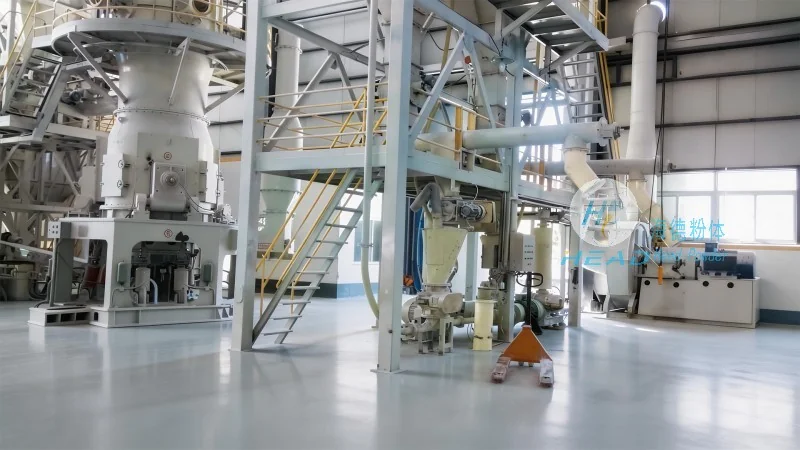
The dust collection unit is an essential safety feature that prevents airborne dust from spreading and causing health hazards or environmental issues. It typically consists of a filter system that captures the dust particles and returns them to the conveyor or storage container. The unit may also include a fan or blower to maintain a negative pressure in the system, ensuring that no dust escapes into the surrounding environment.
Operation Process of the Bulk Bag Unloading Station
The operation of the bulk bag unloading station involves several steps, each carefully coordinated to ensure efficient and safe material transfer. The process typically begins with the placement of the bulk bag onto the support frame. The bag is then secured using the adjustable clamps or straps, ensuring it remains stable throughout the unloading process.
Once the bag is properly positioned and secured, the discharge valve is opened. This allows the powder to flow from the bag into the conveyor system. The conveyor then transports the powder to the next stage of the process, such as a storage silo or a processing machine. The speed of the conveyor can be adjusted to control the flow rate of the powder, preventing overloading or underloading of downstream equipment.
During the unloading process, the dust collection unit is activated to capture any airborne dust particles. The filter system traps the dust, and the clean air is released back into the environment. This ensures that the operation is conducted in a safe and environmentally friendly manner.
After the bulk bag is completely emptied, the discharge valve is closed, and the conveyor system is stopped. The empty bag is then removed from the support frame, and a new bag can be loaded for the next batch. The entire process is designed to be repeatable and efficient, minimizing downtime and maximizing productivity.
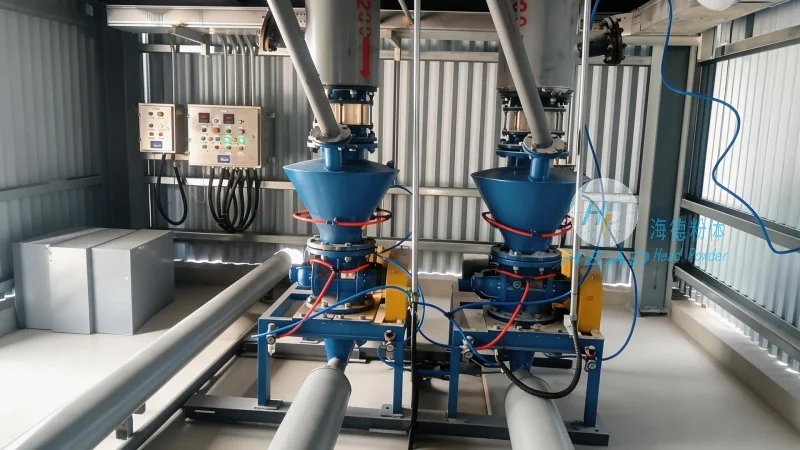
Working Principle of the Bulk Bag Unloading Station
The working principle of the bulk bag unloading station is based on the principles of gravity and controlled flow. The system utilizes the force of gravity to move the powder from the bag to the conveyor, while the discharge valve and conveyor system regulate the flow rate and direction of the material.
When the bulk bag is placed on the support frame and secured, the discharge valve is opened. The powder inside the bag, due to gravity, begins to flow out of the bag and into the discharge valve. The valve then directs the powder into the conveyor system, which transports it to the desired location.
The conveyor system may use a screw mechanism, belt, or pneumatic pressure to move the powder. For example, a screw conveyor uses rotating screws to push the powder forward, while a belt conveyor uses a moving belt to transport the material. The choice of conveyor type depends on the powder's properties, such as its flowability and particle size.
The dust collection unit operates on the principle of filtration. As the powder flows through the system, any dust particles are captured by the filter media. The clean air is then released back into the environment, while the trapped dust is collected in a hopper or container for disposal or reuse. This ensures that the operation is conducted in compliance with environmental regulations and maintains a safe working environment.
Applications and Benefits of Bulk Bag Unloading Stations
Bulk bag unloading stations are widely used in various industries, including pharmaceuticals, food processing, chemicals, and construction. The equipment is particularly beneficial for handling large quantities of powders, as it eliminates the need for manual unloading, which is labor-intensive and prone to errors. The automated system also reduces the risk of dust exposure and improves workplace safety.
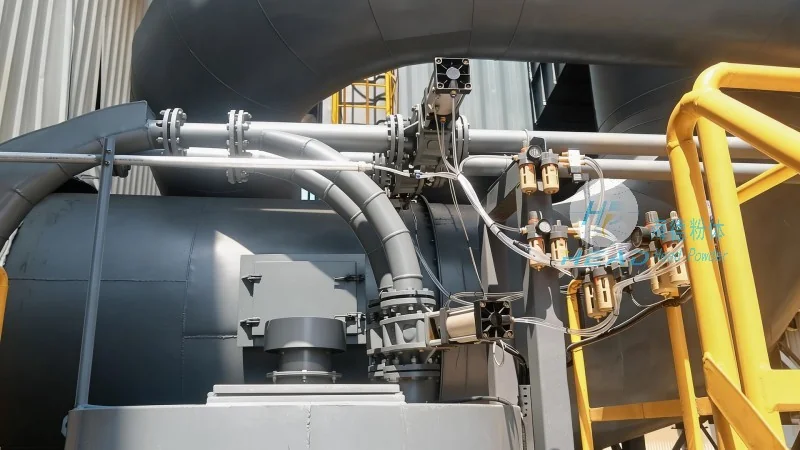
Another key benefit of bulk bag unloading stations is their efficiency. The equipment can handle large volumes of material in a short period, reducing downtime and increasing productivity. The system is also designed to be flexible, allowing for easy integration with existing processing lines or storage systems.
Furthermore, the bulk bag unloading station is cost-effective compared to traditional unloading methods, such as manual shoveling or bag emptying with a vacuum system. The automated process reduces labor costs and minimizes material loss due to spillage or dust dispersion.
Conclusion
HeadPowder's bulk bag unloading station powder handling equipment is a reliable and efficient solution for industries that require large-scale powder transfer. The equipment's design and operation are based on proven principles, ensuring safe, consistent, and automated material handling. By incorporating key components such as the support frame, discharge valve, conveyor system, and dust collection unit, the equipment delivers optimal performance and meets the needs of various industrial applications.
For businesses seeking to improve their powder handling processes, HeadPowder offers tailored solutions that enhance productivity, safety, and cost-effectiveness. The company's expertise in industrial engineering and powder technology ensures that each bulk bag unloading station is customized to meet the specific requirements of the client, providing a long-term solution for efficient material transfer.




