Roots blowers are critical components in industrial material handling and pneumatic conveying systems, designed to efficiently transport bulk materials through pipelines. Understanding the operation process and working principle of these systems is essential for optimizing performance and ensuring reliable material transport in various industrial applications. This article provides a detailed overview of how roots blowers function in material transport, covering key aspects from the mechanical design to the practical application in industrial settings.
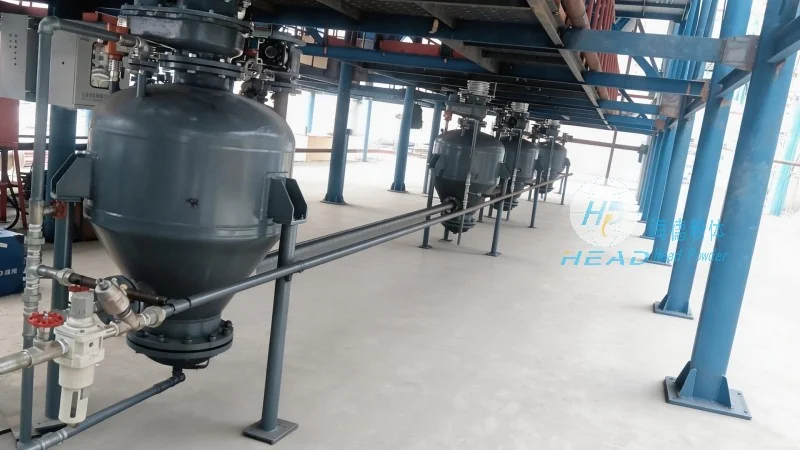
Working Principle of Roots Blower Material Transport
The working principle of a roots blower is based on the positive displacement mechanism, where two interlocking lobed rotors rotate within a casing to create a continuous flow of air or gas. As the rotors turn, the volume of air is trapped and displaced, generating a high-pressure output that drives the material through the conveying line. The design ensures that the air is moved in a sealed environment, minimizing leakage and maintaining consistent pressure levels. This mechanism is particularly effective for transporting dry, free-flowing materials such as powders, granules, and small particles, making roots blowers a preferred choice in industries like pharmaceuticals, food processing, and chemical manufacturing.
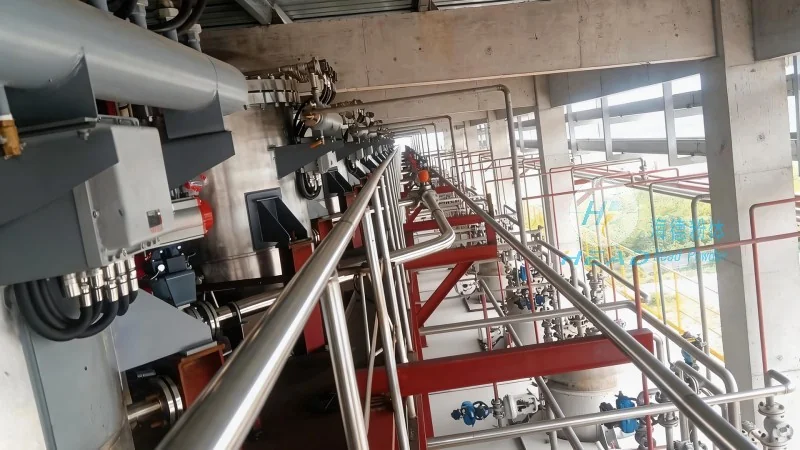
Operation Process of Material Transport with Roots Blower
The operation process of roots blower material transport involves several key steps that ensure efficient and continuous material movement. First, the roots blower is started, and the rotors begin to rotate at a predetermined speed, creating a vacuum at the inlet. This vacuum draws the material from the source hopper or storage tank into the blower. As the material enters the casing, it is trapped between the lobes and the casing walls, moving along the pipeline to the discharge point. The high-pressure air generated by the blower pushes the material forward, maintaining a steady flow rate. The process is continuous as long as the blower is operational, with the material being transported in a controlled manner without the need for additional external power sources for the material itself. This self-sustaining mechanism allows for reliable material transport over long distances and varying elevations, making roots blowers versatile for diverse industrial needs.
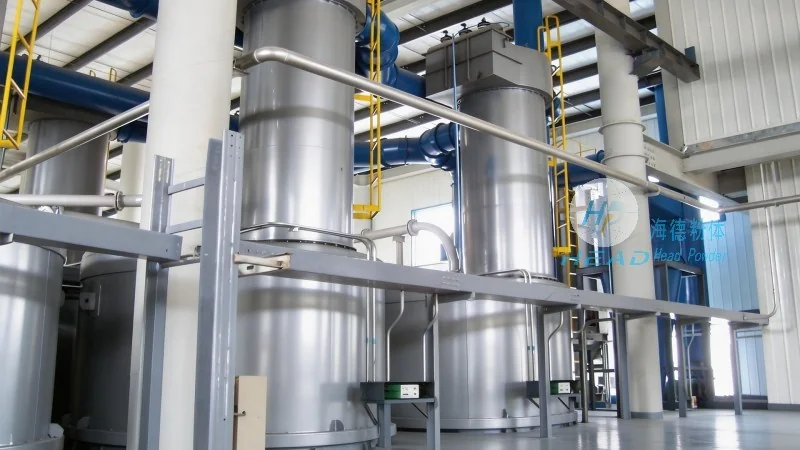
Key Components and Their Roles in Material Transport
Several key components work together to ensure the efficient operation of roots blower material transport systems. The main components include the blower housing, which houses the rotors and provides a sealed environment; the lobed rotors, which are responsible for the displacement of air and material; the inlet and outlet ports, which connect the system to the material source and discharge point; and the drive system, which powers the rotors. The housing is typically made of durable materials like cast iron or stainless steel to withstand the pressure and wear from continuous operation. The rotors are precision-engineered to maintain tight clearances, minimizing air leakage and maximizing efficiency. The inlet port is designed to draw in material effectively, while the outlet port ensures a smooth discharge of the material into the next stage of the process. The drive system, often connected to an electric motor, provides the necessary torque to rotate the rotors at the optimal speed for material transport. Each component plays a critical role in maintaining the performance and reliability of the roots blower system, ensuring consistent material flow and minimal downtime.
Applications and Benefits of Roots Blower Material Transport
Roots blowers are widely used in various industrial applications due to their ability to handle a wide range of materials and provide reliable transport. Common applications include the transport of powders in pharmaceutical and food processing industries, where hygiene and material purity are critical. In chemical manufacturing, roots blowers are used to convey bulk chemicals and granules, ensuring safe and efficient movement. The benefits of using roots blower material transport systems include high efficiency, low maintenance costs, and the ability to handle materials over long distances and varying elevations. The positive displacement mechanism ensures consistent flow rates, reducing the risk of material buildup or clogging in the pipeline. Additionally, roots blowers are relatively simple in design, making them easy to install and maintain. The systems are also adaptable to different materials, allowing for customization based on the specific requirements of the industrial process. Overall, roots blowers offer a cost-effective and reliable solution for material transport in various industrial settings.
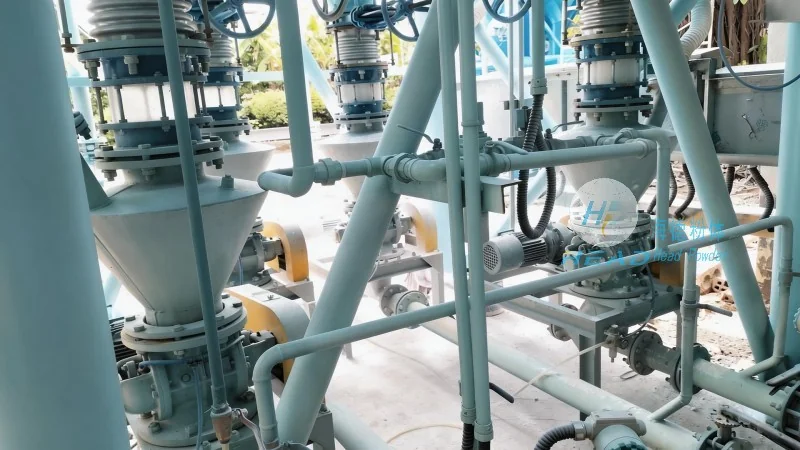
Company Information: Shandong HeadPowder Engineering Co., Ltd.
For professional roots blower material transport solutions, Shandong HeadPowder Engineering Co., Ltd. is a leading provider in the industry. With a focus on quality and innovation, the company specializes in designing and manufacturing high-performance roots blowers tailored to meet the diverse needs of industrial applications. HeadPowder's expertise lies in understanding the unique requirements of material transport systems and developing customized solutions that enhance operational efficiency and reliability. The company's facilities are equipped with advanced manufacturing technologies and quality control measures to ensure that each product meets the highest standards. HeadPowder serves clients across various industries, providing comprehensive support from initial consultation to installation and maintenance. The company's commitment to customer satisfaction and technical excellence has established it as a trusted partner in the material handling sector. Located in Shandong, China, HeadPowder continues to lead the way in providing reliable and efficient roots blower solutions for industrial material transport.




