Organic fertilizer material handling systems are critical infrastructure in contemporary agricultural and waste management operations. These systems are engineered to efficiently transport organic materials such as compost, manure, and other biodegradable substances from collection points to processing facilities or application sites. The seamless operation of these systems directly influences the overall productivity and sustainability of organic fertilizer production, making it essential to understand their operational processes and underlying principles.
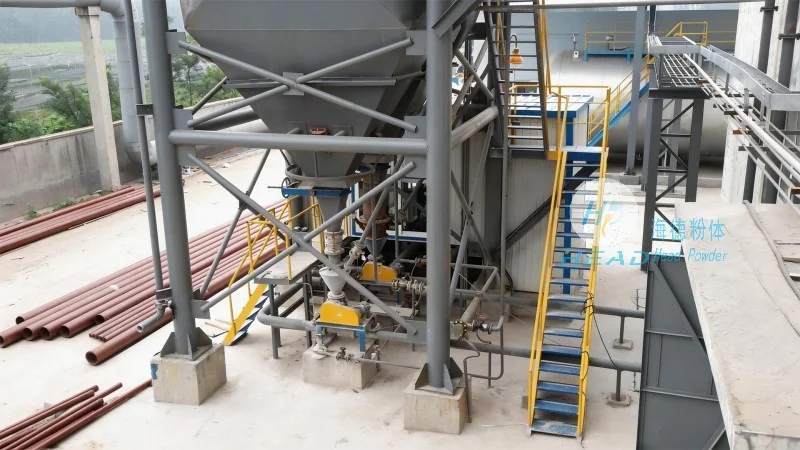
Overview of Organic Fertilizer Material Handling Systems
Organic fertilizer material handling systems typically comprise several key components, including feeders, conveyors, storage silos, and processing units. The system's design is tailored to accommodate the specific characteristics of the organic materials, such as moisture content, bulk density, and particle size. For instance, in systems handling compost, the equipment may include rotary drum mixers, screw conveyors, and pneumatic transport lines to ensure uniform mixing and transport. The integration of these components allows for a seamless flow of materials from initial collection to final application, minimizing downtime and maximizing throughput.
Key Components and Their Functions
Each component within an organic fertilizer material handling system serves a vital role in the overall operation. Feeders are responsible for controlling the flow rate of organic materials into the system, ensuring a consistent input to the conveyor or processing unit. Conveyors, which can be belt, screw, or pneumatic types, transport the materials over short or long distances. Belt conveyors are commonly used for bulk materials due to their high load capacity and low maintenance requirements. Screw conveyors are ideal for handling materials with high moisture content or sticky properties, as they can mix and transport materials while maintaining uniformity. Pneumatic conveyors use air pressure to move materials through pipes, which is particularly effective for fine powders or dust-like organic materials.
Storage and Processing Units
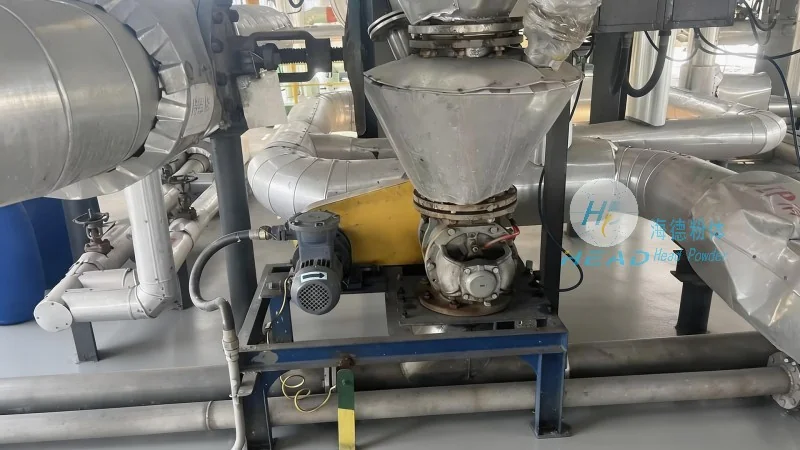
Storage silos are often integrated into the system to temporarily hold organic materials before processing or application. These silos are designed to maintain the quality of the materials by controlling moisture and temperature. Some systems may include processing units such as granulators or dewatering equipment to convert raw organic materials into more stable and usable fertilizer products. For example, a granulation unit can take compost and transform it into uniform fertilizer pellets, enhancing its marketability and ease of application. The processing units are typically equipped with advanced control systems to optimize the production process and ensure product quality.
Control Systems and Automation
Modern organic fertilizer material handling systems rely heavily on control systems and automation to ensure efficient and safe operation. These systems use sensors and monitoring devices to track parameters such as material flow rate, moisture content, and temperature. The data collected is processed by a central control unit, which adjusts the operation of various components in real-time. For instance, if the moisture level in the material increases, the system may automatically adjust the conveyor speed or activate a drying unit to maintain optimal conditions. Automation also enhances safety by reducing the need for manual intervention in hazardous areas, such as high-pressure pneumatic lines or moving conveyor belts.
Operational Workflow and Process Flow
The operational workflow of an organic fertilizer material handling system typically follows a sequential process. The first step involves the collection of raw organic materials, which may be delivered to the facility by trucks or collected from on-site sources. The materials are then fed into the system using feeders, where they are transported to the storage silos. From the silos, the materials are sent to the processing units for further treatment. After processing, the finished organic fertilizer is stored in bulk storage tanks or packaged for distribution. The entire process is designed to be continuous, with minimal interruptions, to maximize production efficiency. The workflow is often visualized using process flow diagrams, which help operators and engineers understand the sequence of operations and identify potential bottlenecks.
Working Principle of Material Transport
The working principle of organic fertilizer material handling systems is based on the physical properties of the materials being transported. For solid materials, gravity, mechanical force, or pneumatic pressure is used to move the materials through the system. Belt conveyors use friction between the belt and the material to pull it forward, while screw conveyors use the rotation of a screw to push the material along. Pneumatic conveyors, on the other hand, use compressed air to create a flow of material within a pipe, similar to how a straw works when sucking a liquid. The choice of transport method depends on the characteristics of the organic material and the distance it needs to be moved. For example, a short-distance transport of wet compost may be more efficiently handled by a screw conveyor, while a long-distance transport of dry powder may be better suited for a pneumatic system.
System Integration and Compatibility
Organic fertilizer material handling systems are often integrated with other equipment and processes in the organic fertilizer production line. For instance, the system may be connected to a composting facility, where raw materials are first decomposed before being transported to the processing unit. The integration ensures that the entire production process is coordinated and optimized. Compatibility with different equipment brands and models is also important, as many farms and facilities use a mix of equipment from various manufacturers. Modern systems are designed to be modular, allowing for easy expansion or modification as production needs change. This flexibility ensures that the system can adapt to the evolving requirements of the organic fertilizer industry.
Maintenance and Troubleshooting
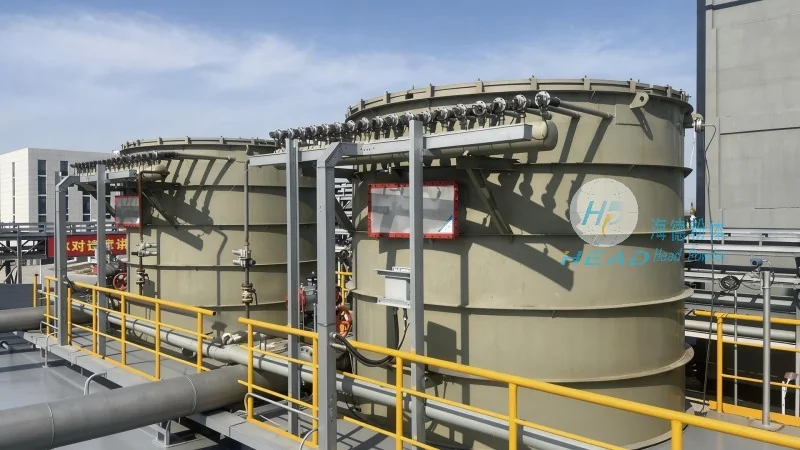
Maintenance is a critical aspect of ensuring the long-term reliability and efficiency of organic fertilizer material handling systems. Regular maintenance tasks include cleaning conveyor belts, lubricating moving parts, and checking the performance of sensors and control systems. Preventive maintenance schedules are typically established based on the system's operating hours and the type of materials being handled. For example, systems handling high-moisture materials may require more frequent cleaning to prevent clogging. Troubleshooting procedures are also essential to quickly identify and resolve issues when they arise. Common problems include material blockages, conveyor belt wear, and sensor malfunctions. By following established troubleshooting guides, operators can minimize downtime and keep the system running smoothly.
Environmental and Sustainability Considerations
Organic fertilizer material handling systems are designed with environmental and sustainability considerations in mind. The systems are engineered to minimize the generation of waste and emissions, such as dust or odors. For example, some systems use dust suppression systems to control airborne particles, reducing the impact on the environment and nearby communities. The use of organic materials in fertilizer production also contributes to sustainability by recycling waste and reducing the need for synthetic fertilizers. Additionally, the energy efficiency of the system is optimized through the use of variable speed drives and energy recovery systems. These measures help reduce the carbon footprint of the organic fertilizer production process and align with global sustainability goals.
Conclusion
Organic fertilizer material handling systems are complex and essential components of modern organic fertilizer production. Understanding their operational processes and working principles is crucial for optimizing performance, ensuring product quality, and maintaining system reliability. The integration of advanced control systems, automation, and efficient transport methods has significantly improved the efficiency and sustainability of these systems. As the demand for organic fertilizers continues to grow, the importance of well-designed and well-maintained material handling systems will only increase. Companies like Shandong HeadPowder Engineering Co., Ltd., based in China, play a vital role in providing innovative solutions for these systems, helping to advance the organic fertilizer industry and promote sustainable agricultural practices worldwide.




