Coal ash slag, a byproduct of coal combustion processes, requires efficient and reliable handling for proper disposal and resource recovery. Pneumatic conveying systems have emerged as a preferred solution for transporting these materials due to their ability to handle abrasive and fine particles while minimizing environmental impact. This article explores the fundamental principles underlying the operation of coal ash slag pneumatic conveying systems, highlighting key components, operational mechanisms, and the technological advancements that enhance their performance.
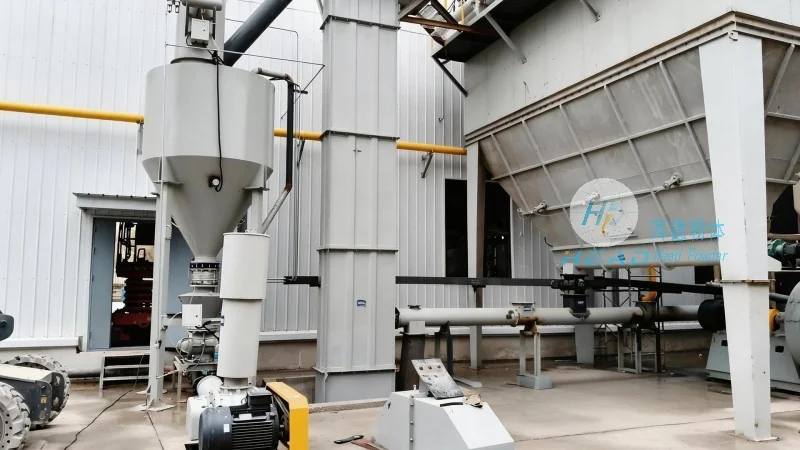
Key Components and Operational Principles
The core of a coal ash slag pneumatic conveying system consists of several critical components that work in tandem to transport material from the source to the destination. The primary elements include the material feed hopper, the air compressor or blower, the conveying pipeline, and the discharge receiver. The system operates on the principle of using compressed air to create a flow that propels the coal ash slag particles through the pipeline. As air is introduced into the hopper, it creates a negative pressure or positive pressure environment, depending on the system design, which draws the material into the pipeline. The material is then carried along by the air stream, with the velocity of the air ensuring that the particles remain suspended and move efficiently through the system.
One of the most critical aspects of the system's design is the air velocity. It must be sufficient to keep the particles in suspension but not so high as to cause excessive wear on the pipeline or components. The choice of air velocity depends on the particle size, density, and moisture content of the coal ash slag. Properly designed systems ensure that the air velocity is optimized to maintain particle suspension while minimizing energy consumption. Additionally, the system may incorporate features such as cyclone separators or filters to separate the material from the air at the discharge point, allowing for clean air release and material collection.
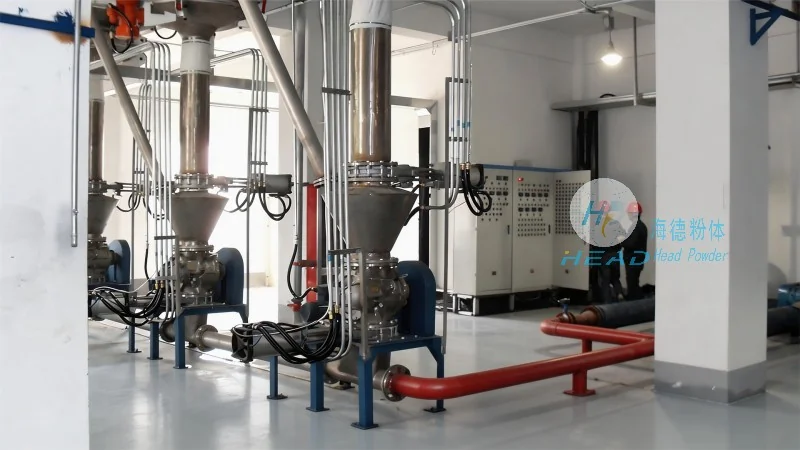
Advantages of Pneumatic Conveying for Coal Ash Slag
Compared to traditional methods like belt conveyors or truck transport, pneumatic conveying offers several advantages for handling coal ash slag. First, it provides a completely enclosed system, which reduces dust emissions and minimizes environmental contamination. This is particularly important for coal ash, which can contain hazardous substances and fine particles that pose health risks if released into the atmosphere. Second, pneumatic systems are highly flexible, allowing for horizontal, vertical, or even inclined transport paths, making them suitable for complex layouts in industrial facilities. Third, they can handle a wide range of particle sizes and moisture contents without the need for additional processing steps. Fourth, the system is relatively compact and can be installed in confined spaces, saving valuable floor space in industrial plants.
Another significant advantage is the ability to integrate the system with other processing equipment. For example, the conveying pipeline can be connected to a cyclone separator or a baghouse filter, allowing for material recovery and air purification. This integration enhances the overall efficiency of the coal ash handling process and reduces operational costs. Furthermore, pneumatic conveying systems are generally low maintenance, with fewer moving parts compared to mechanical conveyors, leading to lower long-term operational expenses.
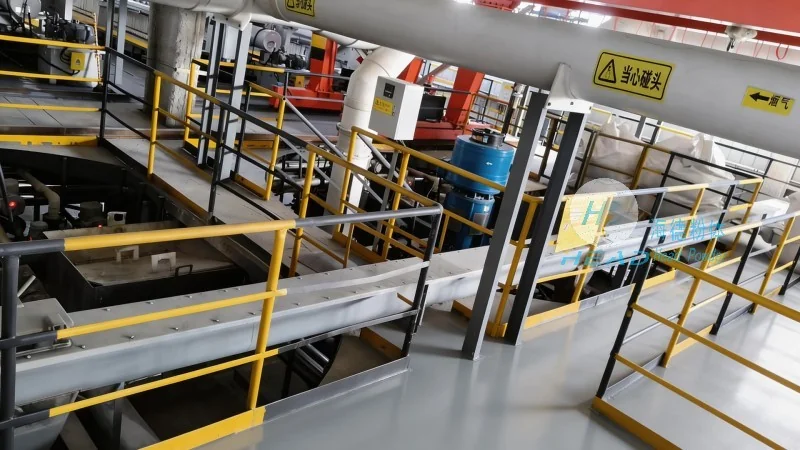
Technical Specifications and Performance Metrics
The performance of a coal ash slag pneumatic conveying system is typically evaluated based on several key metrics. The most important is the conveying capacity, which is measured in terms of the volume or mass of material transported per unit time. This capacity depends on the air flow rate, the particle characteristics, and the system design. For example, a typical system might be capable of transporting 10 to 50 tons per hour of coal ash slag, depending on the specific application and system configuration. Another critical metric is the pressure drop across the system, which indicates the energy required to operate the system. Lower pressure drop means lower energy consumption and reduced operating costs. The system's efficiency is also influenced by the air velocity and the pipeline diameter; larger diameters and lower velocities reduce pressure drop and improve overall efficiency.
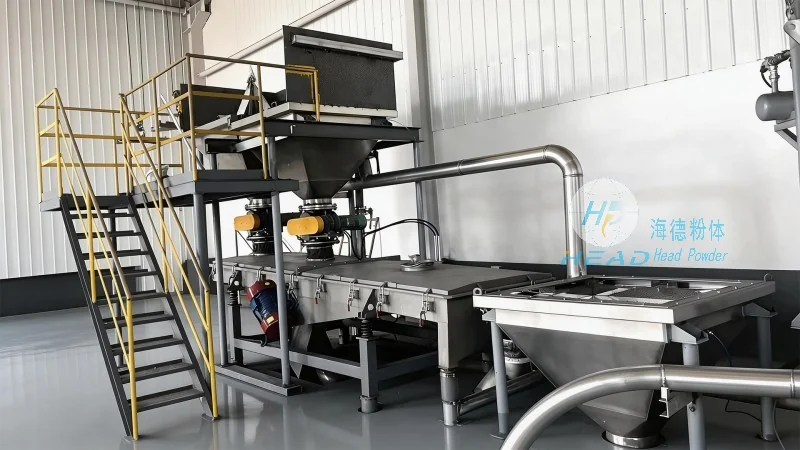
Material handling characteristics, such as the particle size distribution and moisture content, also impact system performance. Fine particles are more prone to settling and require higher air velocities to maintain suspension. Moisture content can affect the material's flowability and may require pre-drying or conditioning to ensure smooth operation. The system's design must account for these factors to ensure reliable and consistent performance. Additionally, the system's durability is crucial, as coal ash slag can be abrasive and corrosive. High-quality materials, such as stainless steel or special alloys, are often used for the pipeline and components to withstand the harsh conditions and extend the system's service life.
Application Examples and Case Studies
Pneumatic conveying systems for coal ash slag are widely used in various industrial applications. For instance, in power plants, these systems are employed to transport coal ash from the boiler to storage silos or to other processing units. In cement plants, coal ash is often used as a raw material or fuel, and pneumatic conveying facilitates its transport from storage to the production line. In waste management facilities, the system can be used to handle ash from incinerators, ensuring proper disposal and recycling. These applications demonstrate the versatility and effectiveness of pneumatic conveying systems in handling coal ash slag under different conditions and requirements.




