Welcome to Shandong HeadPowder Engineering Co., Ltd., a leading manufacturer specializing in advanced polyurethane material handling systems. Our systems are designed to efficiently transport various materials, offering durability, flexibility, and reliability in industrial applications. This article explores the operation process and working principle of these systems, highlighting their key components and functional mechanisms.
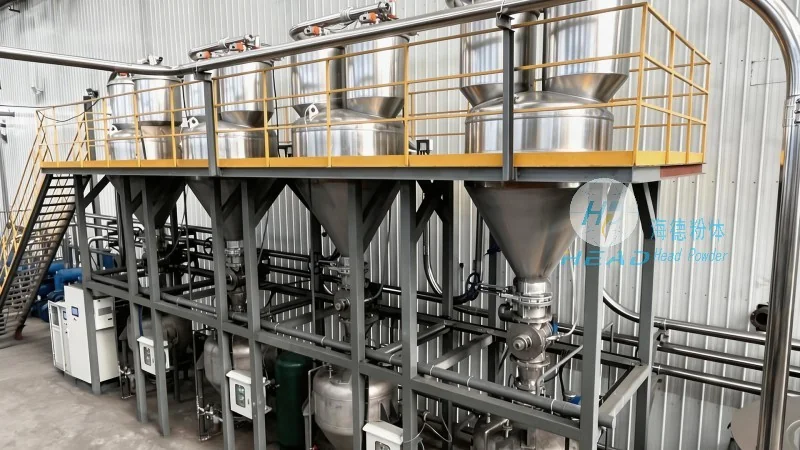
Overview of Polyurethane Material Handling Systems
Polyurethane material handling systems utilize specialized polyurethane components, such as conveyor belts, rollers, and transfer devices, to move bulk materials, powders, and granules. These systems are widely used in industries like food processing, pharmaceuticals, chemicals, and mining due to their ability to handle abrasive and corrosive materials without degradation. The design of these systems focuses on minimizing material wear, ensuring smooth material flow, and maintaining operational efficiency over extended periods.
Key Components and Their Roles
At the core of polyurethane material handling systems are several critical components that work in tandem to facilitate material transport. The primary components include: conveyor belts, which are made from high-quality polyurethane to provide a smooth surface for material movement; driving mechanisms, such as electric motors and pulleys, that generate the necessary force to move the belt; support rollers, which maintain the belt's tension and alignment; and transfer units, which enable the system to change the direction of material flow. Each component is engineered to withstand heavy loads and harsh environmental conditions, ensuring consistent performance.
The Operation Process: Step-by-Step
The operation of a polyurethane material handling system follows a systematic process, starting from material loading to discharge. Here’s a detailed breakdown of the steps involved:
1. Material Loading: The process begins with the loading of materials into the system. This can be done manually or through automated feeding mechanisms, depending on the application. The materials are placed onto the conveyor belt at the loading point, ensuring an even distribution to prevent overloading or uneven flow.
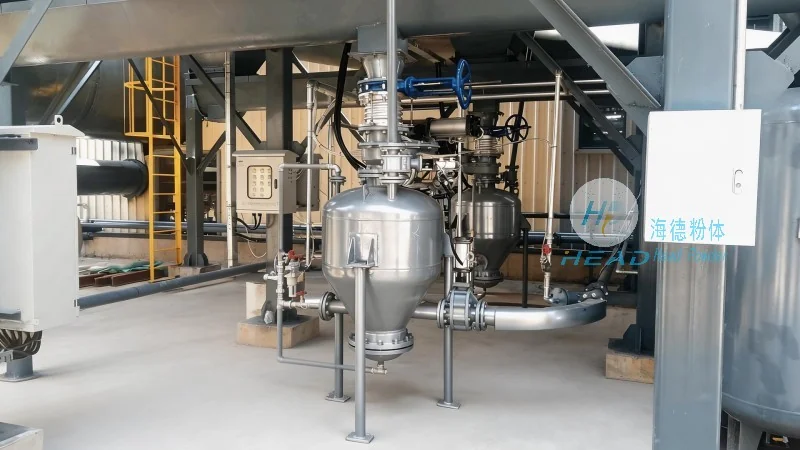
2. Belt Movement and Material Transport: Once loaded, the driving mechanism activates, causing the conveyor belt to move. The polyurethane belt, with its smooth surface, allows materials to slide or roll along without sticking or causing friction. The speed of the belt is adjustable, enabling precise control over the material flow rate. This step ensures that materials are transported from the loading zone to the discharge point efficiently.
3. Material Transfer and Direction Change: At certain points in the system, materials may need to change direction. Transfer units, such as idler rollers or transfer tables, are used to redirect the material flow. These components are designed to minimize material spillage and maintain the integrity of the material during the transfer process. The transfer mechanism is synchronized with the belt movement to ensure smooth and continuous operation.
4. Material Discharge: Upon reaching the discharge point, the material is released from the conveyor belt. The discharge mechanism may include hoppers, chutes, or other collection devices, depending on the application. The system is designed to ensure that materials are discharged evenly and without blockages, preventing material buildup or system downtime.
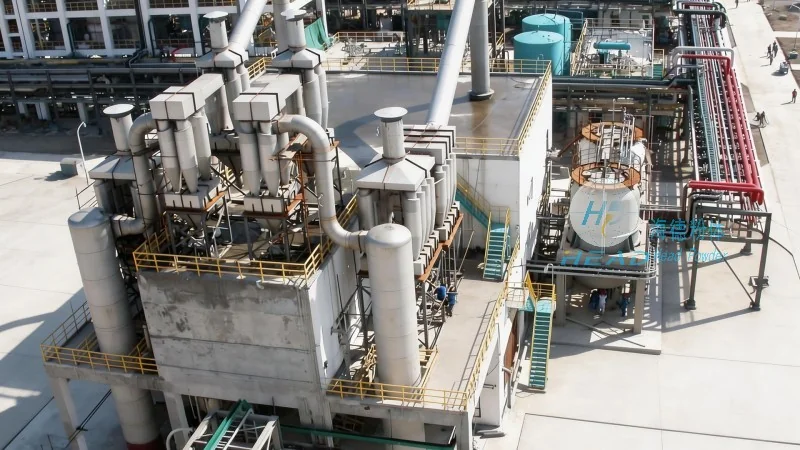
Working Principle: How It All Works Together
The working principle of polyurethane material handling systems is based on the interaction between the driving force, the conveyor belt, and the support components. The electric motor provides the initial energy, which is converted into mechanical energy through the pulley system. This mechanical energy drives the conveyor belt, which then transports the material along its path. The support rollers maintain the belt's tension, ensuring that it remains in contact with the drive pulley and the idler rollers, thus preventing slippage or belt damage.
The polyurethane material, being a flexible and durable material, can adapt to the shape of the conveyor system, allowing for smooth material movement even in complex layouts. The system’s design also incorporates features to handle different material types, such as powders, granules, or bulk solids, by adjusting the belt’s surface texture or adding special coatings. This adaptability makes the system versatile and suitable for a wide range of industrial applications.
Advantages and Applications
Polyurethane material handling systems offer several advantages over traditional systems, including high durability, low maintenance costs, and the ability to handle abrasive materials. These systems are particularly beneficial in industries where material wear and tear are common, such as mining and chemical processing. The systems are also designed to be hygienic and easy to clean, making them suitable for food and pharmaceutical industries. Shandong HeadPowder Engineering Co., Ltd. specializes in customizing these systems to meet the specific needs of clients, ensuring optimal performance and efficiency.
In conclusion, polyurethane material handling systems are a reliable and efficient solution for material transport in various industrial applications. The operation process, from loading to discharge, is designed to maximize productivity while minimizing downtime. The working principle, centered on the interaction of key components, ensures smooth and continuous material flow. With its durability and adaptability, this system is a valuable asset for any industrial operation. Shandong HeadPowder Engineering Co., Ltd. continues to innovate and provide high-quality polyurethane material handling systems to meet the evolving needs of the industry.




