HeadPowder, a leading provider of industrial conveying solutions, specializes in the design and implementation of calcined ash material conveying lines. These systems are engineered to efficiently transport calcined ash from processing facilities to storage or disposal sites, ensuring smooth operational flow and minimal downtime. This article explores the detailed operation process and working principles of such conveying lines, highlighting the key components and mechanisms involved.
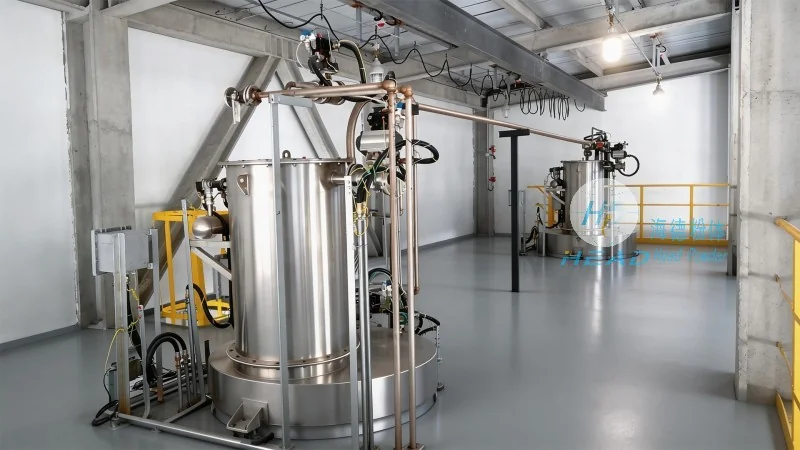
Introduction to Calcined Ash Material Conveying Lines
Calcined ash, a byproduct of industrial processes such as coal combustion or metal smelting, requires specialized handling due to its abrasive and potentially hazardous nature. Conveying lines designed for calcined ash must be robust, reliable, and capable of withstanding the physical and chemical stresses associated with this material. HeadPowder Engineering Co., Ltd., based in Shandong, China, has developed advanced solutions tailored to meet these demands, ensuring optimal performance and safety in material transport.
Key Components of the Conveying System
The calcined ash material conveying line typically consists of several critical components that work in concert to achieve efficient material transport. These include feed hoppers, conveyor belts or screw conveyors, idlers, pulleys, drive systems, and control panels. Each component plays a vital role in the overall operation, contributing to the system's reliability and efficiency.
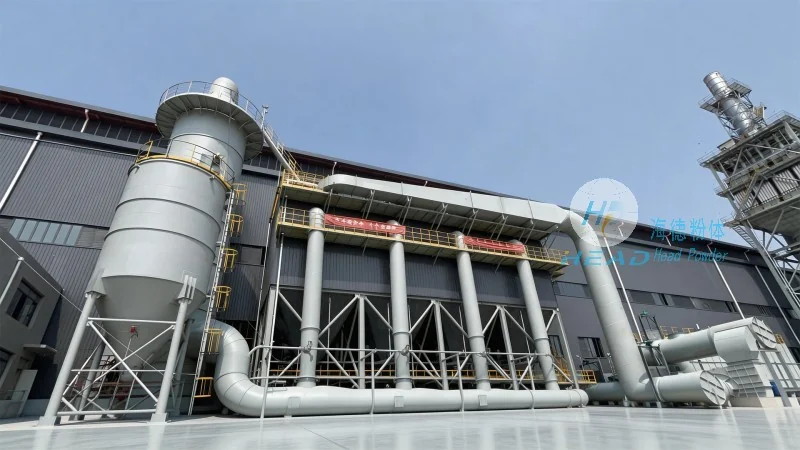
Feed Hopper and Material Inlet
The process begins with the feed hopper, which is responsible for receiving and storing the calcined ash material. The hopper is designed with a sloped bottom to facilitate the smooth flow of material into the conveyor system. A gate or valve mechanism controls the rate of material discharge, ensuring a consistent feed rate that matches the conveyor's capacity. This initial step is crucial for preventing material buildup and maintaining steady operation.
Conveyor Mechanism: Belt or Screw Conveyors
HeadPowder offers two primary types of conveyor mechanisms for calcined ash transport: belt conveyors and screw conveyors. Belt conveyors utilize a continuous belt looped over pulleys, with the material placed on the belt surface and carried to the discharge point. Screw conveyors, on the other hand, employ a rotating screw (auger) to push material forward through a closed tube. The choice between these systems depends on factors such as material characteristics, distance to be covered, and space constraints. Both mechanisms are engineered to handle the abrasive nature of calcined ash, with reinforced components and protective coatings to extend service life.
Drive and Control Systems
The drive system provides the necessary power to move the conveyor belt or screw, ensuring consistent speed and torque. Modern systems often incorporate variable frequency drives (VFDs) that allow for speed adjustment based on material load and operational requirements. Control panels, equipped with sensors and monitoring devices, provide real-time feedback on system performance, enabling operators to detect and address issues promptly. This integration of automation enhances safety and operational efficiency, reducing the risk of equipment failure and material spillage.
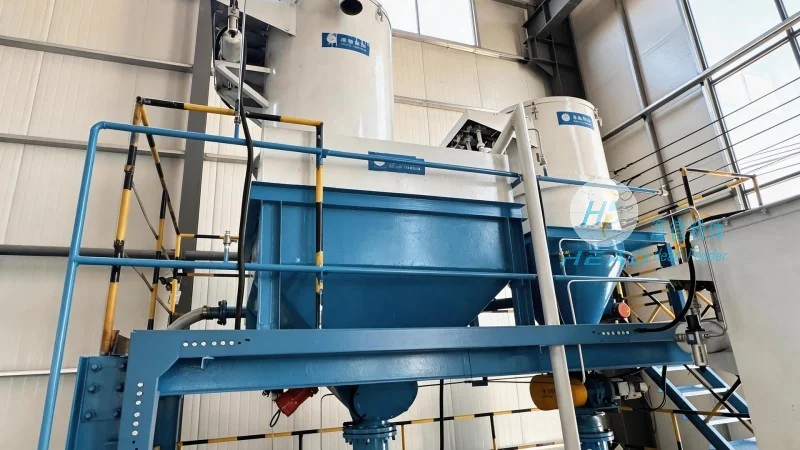
Idlers and Pulleys: Supporting the Conveyor
Idlers and pulleys are essential for supporting the conveyor belt and maintaining its alignment. Idlers are placed at regular intervals along the conveyor length, providing support and reducing belt tension. Pulleys, including drive pulleys and tail pulleys, guide the belt and transmit power from the drive system. Proper alignment and maintenance of these components are critical to prevent belt misalignment, which can lead to increased wear and potential system failure.
Discharge and Material Handling
At the end of the conveying line, the calcined ash is discharged into a storage silo or transport vehicle. The discharge mechanism, such as a chute or gate, is designed to control the flow of material, preventing blockages and ensuring a smooth transition to the next stage of processing or disposal. HeadPowder's systems are equipped with features like adjustable discharge gates and level sensors to optimize material handling and minimize waste.
Working Principle: From Inlet to Outlet
The working principle of the calcined ash material conveying line is a continuous cycle of material movement, driven by the conveyor mechanism. The process starts with material entering the feed hopper, where it is stored and regulated. The controlled discharge from the hopper feeds the conveyor, which transports the material along its path. The drive system ensures consistent motion, while idlers and pulleys maintain the belt's stability. Sensors and control systems monitor the entire process, adjusting parameters as needed to maintain optimal performance. The material is then discharged at the end of the line, completing the cycle. This integrated approach ensures that the conveying line operates efficiently, reliably, and safely, meeting the demands of industrial applications.
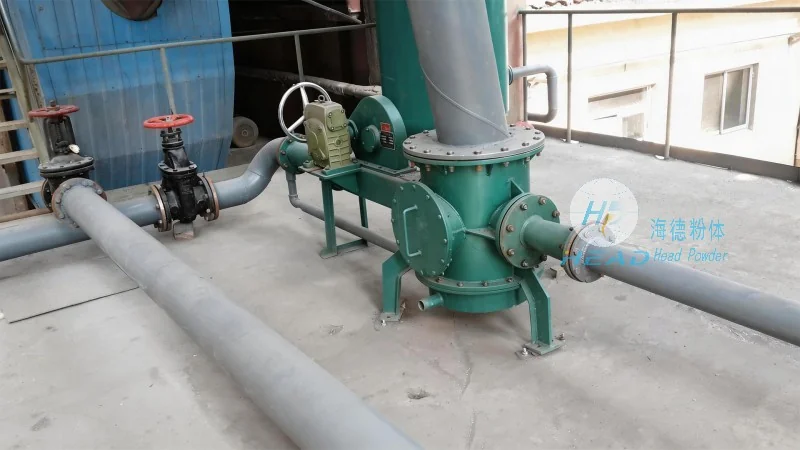
Advantages of HeadPowder's Conveying Solutions
HeadPowder Engineering Co., Ltd. offers several advantages in the design and implementation of calcined ash material conveying lines. Their systems are engineered for durability, with components specifically designed to withstand the abrasive nature of calcined ash. The use of advanced materials and coatings extends the service life of the equipment, reducing maintenance costs and downtime. Additionally, the integration of automation and control systems enhances operational efficiency, allowing for real-time monitoring and adjustments. HeadPowder's expertise in industrial conveying ensures that their solutions are tailored to meet the unique requirements of each client, providing customized systems that optimize material transport and improve overall productivity.
Conclusion
Calcined ash material conveying lines are critical components in industrial facilities that process and handle calcined ash. The operation process, involving feed hoppers, conveyor mechanisms, drive systems, and discharge equipment, is designed to efficiently transport material while ensuring safety and reliability. HeadPowder Engineering Co., Ltd., based in Shandong, China, provides advanced and robust solutions for these systems, leveraging their expertise in industrial engineering to deliver high-performance conveying lines. By understanding the operation process and working principles of these systems, industrial facilities can optimize their material handling processes, reduce costs, and enhance overall operational efficiency.




