Shandong HeadPowder Engineering Co., Ltd., a leading manufacturer in the field, specializes in the design, production, and installation of advanced material conveying systems. The Manganese Carbonate Material Conveying Line is a critical piece of equipment used in the mining and processing industry, particularly for handling manganese carbonate ore. This system is engineered to ensure efficient, safe, and reliable transportation of raw materials from extraction sites to processing facilities. The following sections detail the operational process and underlying working principles of such a line.
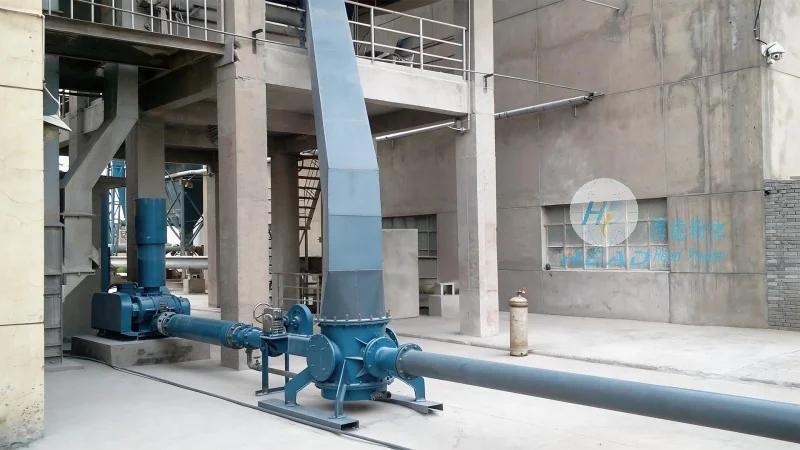
Key Components of the Conveying System
The Manganese Carbonate Material Conveying Line typically consists of several essential components that work in tandem to facilitate material transport. These components include feed hoppers, conveyor belts, drive systems, idlers, pulleys, and control panels. Each component plays a vital role in the overall functionality of the system. The feed hopper is responsible for receiving and storing the manganese carbonate ore, ensuring a consistent flow of material into the conveyor. The conveyor belt, often made from durable materials such as rubber or synthetic fabrics, carries the ore through the system. The drive system, which may include electric motors and gearboxes, provides the necessary power to move the belt. Idlers and pulleys support and guide the belt, while the control panel allows operators to monitor and adjust the system's performance.
Operation Process of the Conveying Line
The operation of the Manganese Carbonate Material Conveying Line begins with the loading of the feed hopper. Raw manganese carbonate ore is fed into the hopper, either manually or through automated feeding mechanisms. Once the hopper is filled, the material gradually flows into the conveyor belt. The drive system activates, causing the belt to move at a predetermined speed. As the belt moves, the ore is transported from the feed point to the discharge point. The discharge point may be a storage silo, a processing unit, or another conveyor system, depending on the specific application. Throughout the process, the idlers and pulleys ensure the belt remains properly aligned and tensioned, preventing slippage or damage. The control panel allows operators to adjust the speed of the conveyor, control the flow rate of material, and monitor the system's status in real-time. This level of control is crucial for maintaining efficiency and preventing downtime.
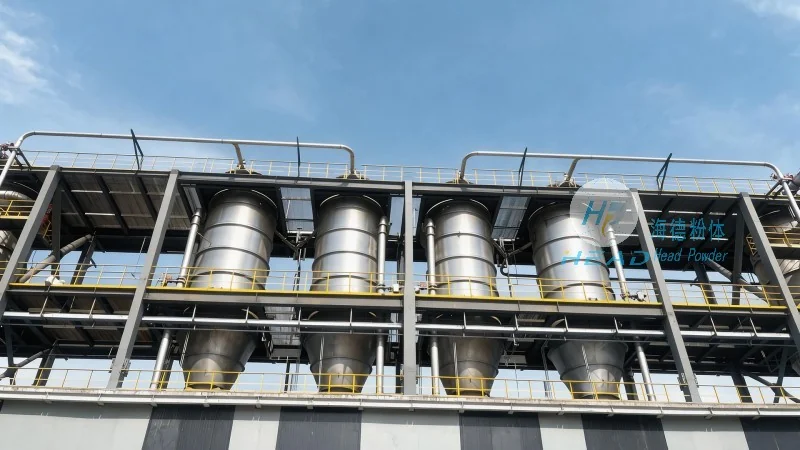
Working Principle of the Conveying System
The working principle of the Manganese Carbonate Material Conveying Line is based on the mechanics of belt transport. The system operates on the principle of friction, where the drive system applies torque to the conveyor pulley, which in turn drives the belt. The belt, in contact with the ore, moves due to the frictional force between the belt surface and the material being conveyed. The idlers provide support and reduce friction between the belt and the frame, ensuring smooth movement. The tension in the belt is carefully managed to prevent sagging or over-tensioning, which could lead to belt wear or failure. The control system monitors the tension and speed, adjusting as needed to maintain optimal performance. Additionally, the system may incorporate safety features such as emergency stop buttons and overload protection to ensure safe operation. These features are essential for protecting both the equipment and personnel working with the conveying line.
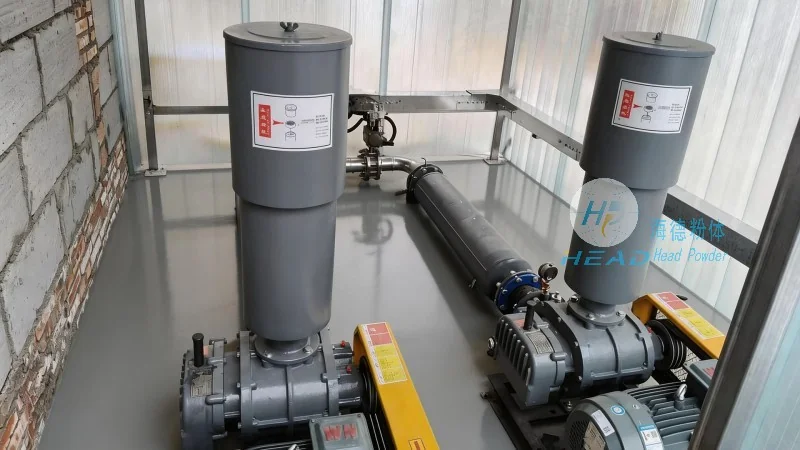
Efficiency and Performance Considerations
Efficiency is a key factor in the operation of the Manganese Carbonate Material Conveying Line. Several factors contribute to the overall performance of the system. The speed of the conveyor belt is a critical parameter, as it directly impacts the throughput capacity. A higher belt speed can increase the amount of material transported per unit time, but it must be balanced against the risk of material spillage or degradation. The inclination of the conveyor is another important consideration, as it affects the force required to move the ore. Steeper inclinations may require more powerful drive systems, while gentler inclinations can reduce energy consumption. The design of the feed hopper and discharge point also plays a role in efficiency, as proper design minimizes material buildup and ensures smooth flow. Regular maintenance is essential to maintain the efficiency of the system. This includes checking the tension of the belt, lubricating the idlers and pulleys, and inspecting the drive system for wear and tear. By adhering to a regular maintenance schedule, operators can extend the lifespan of the equipment and minimize downtime.
Applications and Benefits
The Manganese Carbonate Material Conveying Line is widely used in various industrial applications, particularly in the mining and processing of manganese carbonate ore. The primary benefit of this system is its ability to transport large quantities of material over long distances with minimal human intervention. This reduces labor costs and increases operational efficiency. The system is also designed to handle abrasive materials, such as manganese carbonate ore, which can cause wear on other types of equipment. The durable construction of the conveyor belt and components ensures long-term reliability. Additionally, the system's modular design allows for easy expansion or modification to accommodate changing production needs. This flexibility makes the Manganese Carbonate Material Conveying Line a versatile solution for various industrial applications.




