For industries dealing with magnesium oxide powder, efficient and reliable material handling is crucial. Traditional methods like manual handling or mechanical conveyors often present challenges such as dust exposure, material degradation, and operational inefficiencies. Pneumatic conveying offers a superior alternative with a closed system that minimizes contamination and enhances safety. This article explores specialized solutions tailored for the pneumatic transport of magnesium oxide powder, highlighting technical aspects and practical applications.
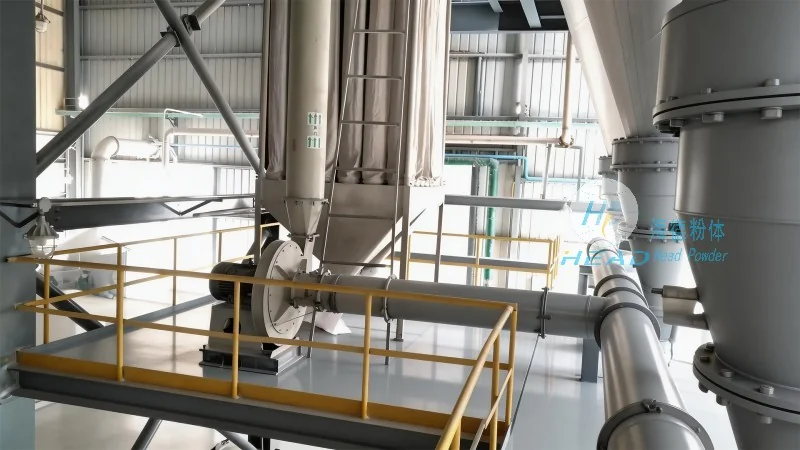
HeadPowder's Expertise in Pneumatic Conveying Systems
Shandong HeadPowder Engineering Co., Ltd., commonly known as HeadPowder, has established itself as a leading provider of pneumatic conveying solutions. With years of experience, the company specializes in designing and manufacturing systems optimized for handling fine powders like magnesium oxide. HeadPowder's approach combines advanced engineering with a deep understanding of material properties, ensuring each system is optimized for performance, durability, and cost-effectiveness. The team works closely with clients to assess specific requirements, from bulk material handling to precise dosing applications.
Key Components of Magnesium Oxide Powder Pneumatic Conveying Systems
A pneumatic conveying system for magnesium oxide powder typically includes critical components working in harmony: a feeding device, conveying line, separation unit, and dust collection system. The feeding device (e.g., rotary valve or metering pump) controls powder flow to prevent blockages and maintain consistent feed rates. The conveying line, usually stainless steel or corrosion-resistant, transports powder under pressure. For magnesium oxide, a fine powder sensitive to moisture, material selection is vital to prevent degradation and preserve product integrity. The separation unit (cyclone or bag filter) separates powder from air, while the dust collection system ensures environmental compliance and a clean workspace.
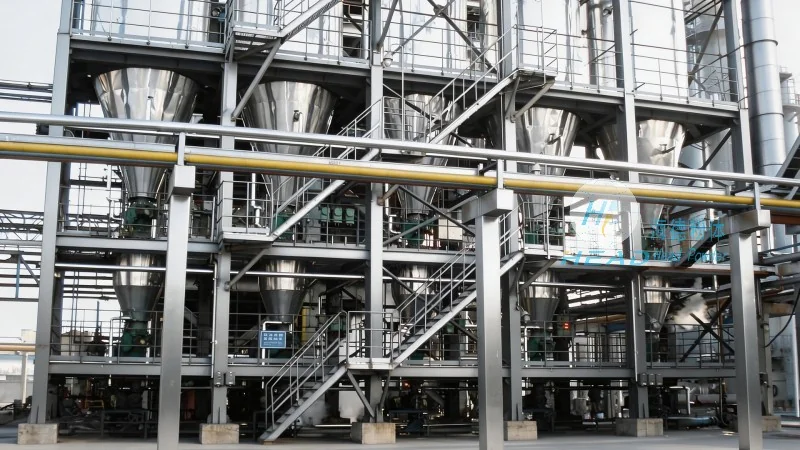
Advantages of Pneumatic Conveying for Magnesium Oxide Powder
Implementing a pneumatic conveying system offers numerous benefits over traditional methods. Firstly, the enclosed system reduces dust emissions and minimizes product contamination—critical for magnesium oxide used in pharmaceutical, food, or high-purity applications. Secondly, precise control over flow rate and pressure enables accurate dosing, reducing material waste and ensuring consistent product quality. Thirdly, the system is energy-efficient and cost-effective, eliminating mechanical components like belts or buckets to reduce maintenance and extend equipment lifespan. Additionally, the closed system enhances workplace safety by eliminating manual powder handling, which can cause respiratory issues or other health hazards.
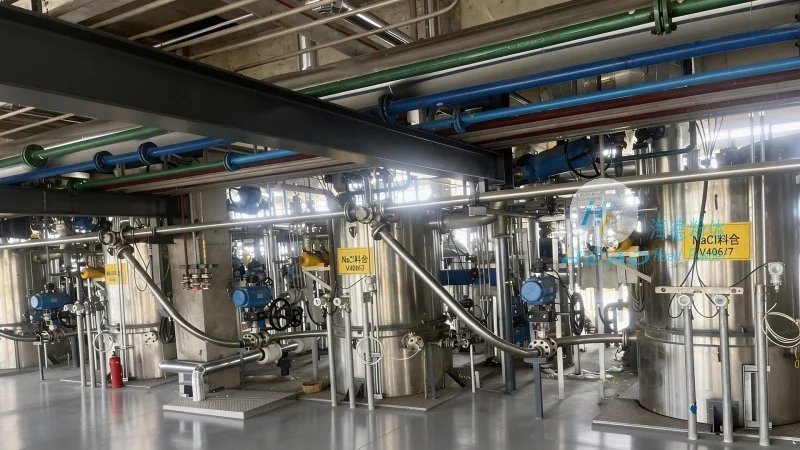
Customized Solutions for Diverse Applications
HeadPowder recognizes that each magnesium oxide powder application has unique characteristics, such as varying particle sizes, moisture content, or handling volumes. Thus, the company offers customized pneumatic conveying solutions tailored to these needs. Whether for bulk storage and transfer or precise dosing in production lines, HeadPowder’s engineers design systems optimized for performance. For example, in the pharmaceutical industry (where magnesium oxide is used as an antacid), systems must meet strict hygiene standards. HeadPowder’s solutions include stainless steel components, CIP (clean-in-place) capabilities, and HEPA filters to comply with GMP regulations. In the chemical industry (using magnesium oxide as a catalyst or filler), systems may handle higher pressures or larger volumes. HeadPowder’s expertise in material selection and system design ensures solutions are both effective and durable, even under challenging conditions.
Installation and Maintenance Considerations
Proper installation and regular maintenance are vital for the long-term performance and reliability of a magnesium oxide powder pneumatic conveying system. HeadPowder provides comprehensive support from initial system design and installation to ongoing maintenance and troubleshooting. During installation, technicians ensure components are properly aligned and connected, and the system undergoes pressure testing to verify integrity. Regular maintenance involves checking for wear and tear on components like rotary valves, filters, and conveying lines, with replacements as needed. For magnesium oxide—abrasive and sensitive to moisture—conveying lines and separation units require more frequent inspection to prevent damage. HeadPowder offers maintenance services including scheduled inspections, component replacement, and system optimization to keep equipment running at peak efficiency. Following recommended maintenance schedules extends system lifespan and minimizes downtime, ensuring consistent production and product quality.




