Shandong HeadPowder Engineering Co., Ltd., a leading provider in the field of powder handling technology, specializes in the design, manufacturing, and installation of advanced pneumatic conveying systems. Among their portfolio is the hydrogen chloride (HCl) powder pneumatic conveying line, a critical equipment for industries dealing with this highly corrosive and hazardous material. This article delves into the operational process and underlying principles of such a system, highlighting its efficiency, safety features, and technical specifications.
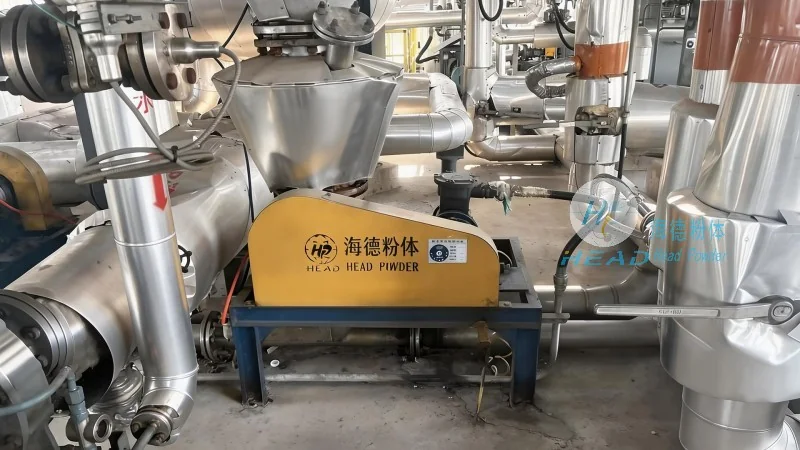
Company Overview: HeadPowder Engineering
HeadPowder Engineering, based in Shandong, China, is dedicated to delivering high-quality engineering solutions for powder processing. With years of experience in the industry, the company has developed expertise in handling challenging materials like hydrogen chloride, which requires specialized equipment to ensure safe and effective transport. Their commitment to innovation and adherence to international safety standards makes them a trusted partner for businesses in chemical manufacturing, pharmaceuticals, and other sectors where HCl is utilized.
Understanding Hydrogen Chloride Powder Pneumatic Conveying
Hydrogen chloride is a highly corrosive gas that, when converted into a powder form, poses significant challenges for traditional conveying methods. Conventional systems like belt conveyors or screw conveyors are unsuitable due to the material's reactivity and the need for strict environmental controls. Pneumatic conveying, however, offers a solution by utilizing air pressure to transport the powder through a closed system, minimizing exposure and ensuring compliance with safety regulations.
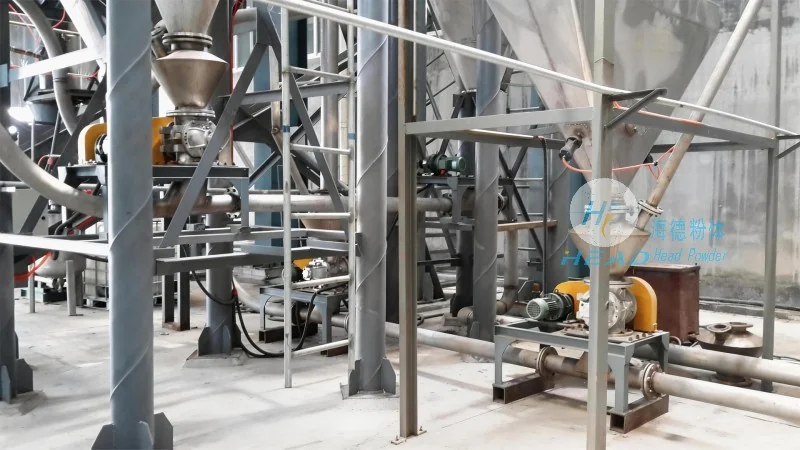
Key Components of the Pneumatic Conveying Line
The hydrogen chloride powder pneumatic conveying line consists of several essential components that work in tandem to achieve efficient transport. These include the material feed hopper, which holds the HCl powder and regulates its flow; the air compressor or blower, which generates the necessary air pressure to move the powder; the conveying pipeline, typically made of corrosion-resistant materials like stainless steel or special alloys to withstand the chemical's effects; and the control system, which monitors and adjusts the flow rate and pressure for optimal performance.
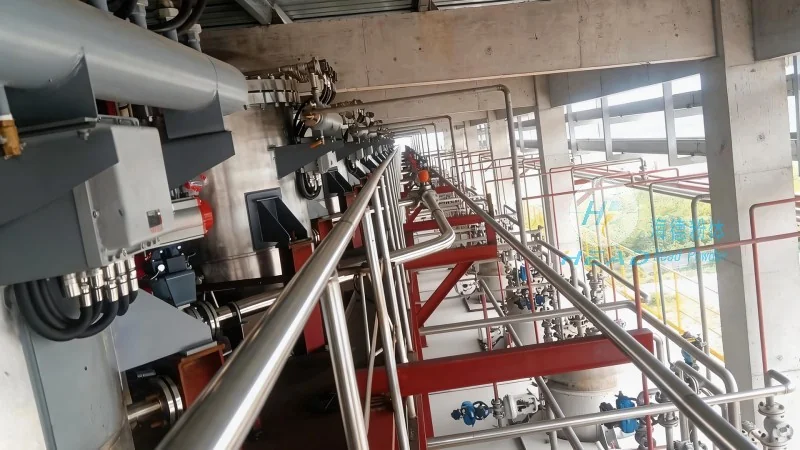
Operation Process: Step-by-Step
The operation of the hydrogen chloride powder pneumatic conveying line follows a systematic process designed to ensure safety and efficiency. The process begins with the loading of HCl powder into the feed hopper. A feeder, such as a rotary valve or screw feeder, then controls the discharge rate, ensuring a consistent flow into the pipeline. Simultaneously, the air compressor generates high-pressure air, which is introduced into the pipeline. The air and powder mixture travels through the pipeline, with the air pressure propelling the powder particles. The conveying line may include bends, elbows, or expansion sections, which are designed to minimize pressure loss and maintain the flow. At the receiving end, a separator or cyclone separates the powder from the air, allowing the powder to be deposited into a storage tank or processing vessel. The air, now free of powder, is either filtered and recirculated or vented to the atmosphere, depending on the system's design.
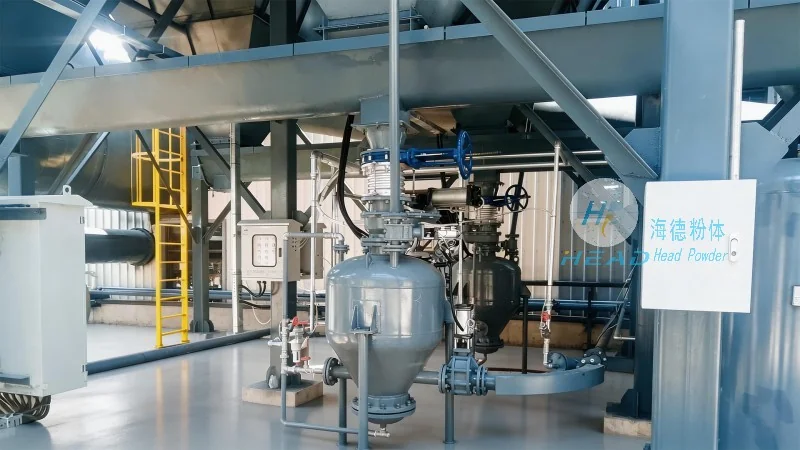
Working Principle: Fluidization and Pressure Drop
The core working principle of pneumatic conveying for HCl powder is based on fluidization and the balance of pressure drop. When air is introduced into the pipeline at a sufficient velocity, it creates a fluidized state where the powder particles are suspended and transported as a slurry. The pressure drop along the pipeline is a critical factor, as it determines the energy required to move the material. The system is designed to maintain a stable pressure drop, ensuring that the powder moves continuously without clogging or excessive energy consumption. Factors such as particle size, density, and the air-to-powder ratio are carefully considered to optimize the conveying process and prevent issues like blockages or material degradation.
Safety and Maintenance Considerations
Given the hazardous nature of hydrogen chloride, safety is paramount in the operation of the pneumatic conveying line. The system is equipped with various safety features, including pressure relief valves, explosion-proof components, and leak detection systems. Regular maintenance is essential to ensure the longevity and reliability of the equipment. This includes checking the condition of the pipeline and components for corrosion, inspecting the air compressor and feeder for wear, and performing routine cleaning to prevent buildup of the powder. Proper training for operators is also crucial to handle any potential emergencies and maintain the system's efficiency.




