HeadPowder, a leading provider of bulk material handling solutions, specializes in dust-free feeding stations equipped with pneumatic conveying systems designed for efficient small bag handling. This article delves into the operational workflow and underlying principles of such equipment, highlighting its role in maintaining a clean, safe, and efficient material transfer process.
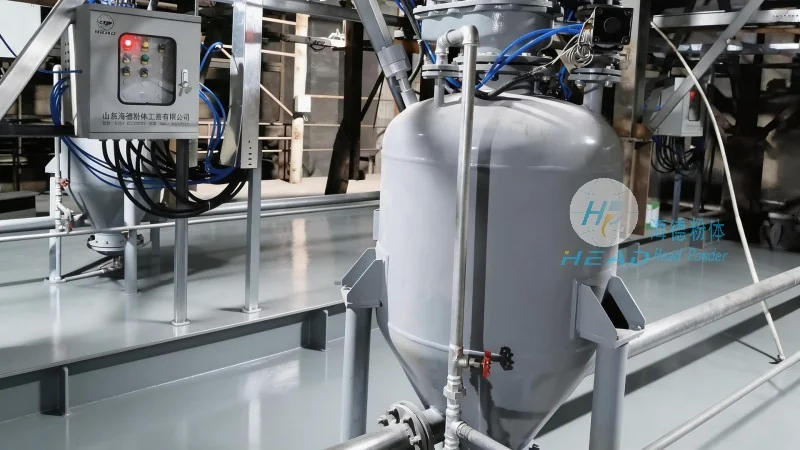
Company Overview and Product Focus
Shandong HeadPowder Engineering Co., Ltd., based in Shandong, China, is dedicated to delivering high-quality engineering solutions for industrial bulk material handling. The company’s focus on dust-free technology ensures that operations remain compliant with environmental standards while optimizing productivity. The featured product, a small bag dust-free feeding station with pneumatic conveying, is engineered to handle various powders and granules, providing a seamless transition from storage to processing stages.
Key Components and System Architecture
The dust-free feeding station integrates several critical components to ensure reliable and clean material transfer. These include a receiving hopper, a pneumatic conveying system, a dust collection unit, and a control panel. The receiving hopper is designed to accommodate small bags, allowing for easy unloading and initial material containment. The pneumatic conveying system, which may utilize positive or negative pressure, is responsible for transporting the material from the hopper to the processing equipment. The dust collection unit is crucial for maintaining a clean environment by capturing and filtering airborne particles, preventing contamination and ensuring worker safety.
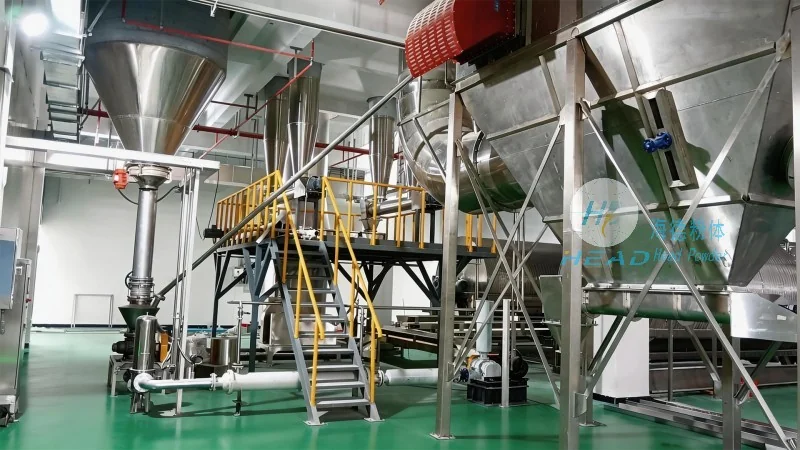
Operation Process: Step-by-Step Workflow
The operation of the dust-free feeding station follows a systematic process to ensure efficient material handling. The workflow begins with the placement of small bags into the receiving hopper. Once the hopper is filled, the pneumatic conveying system is activated, using compressed air or vacuum to draw the material from the hopper. The material is then transported through the conveying lines to the processing equipment. The control panel allows operators to monitor and adjust the system parameters, such as air pressure and flow rate, to optimize performance. After the material is transferred, the hopper is emptied, and the cycle repeats. This process minimizes manual handling, reduces dust exposure, and enhances overall operational efficiency.
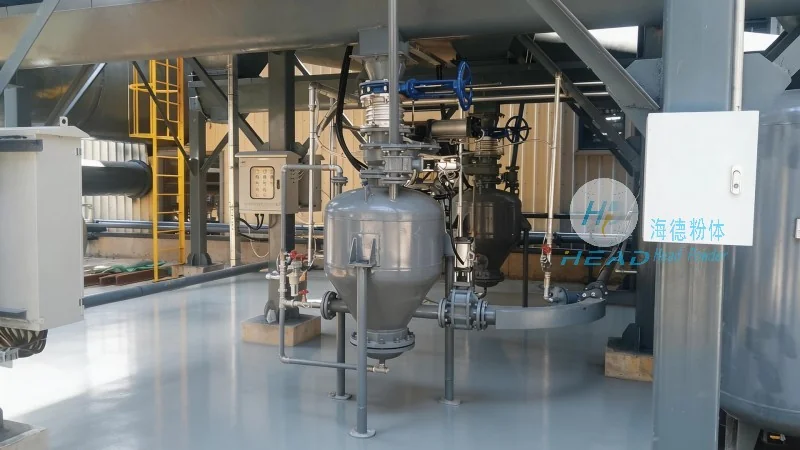
Working Principle: How the System Functions
The working principle of the dust-free feeding station is based on the principles of pneumatic conveying, which uses air to transport bulk materials. The system operates by creating a pressure differential between the hopper and the processing equipment. In positive pressure systems, compressed air is introduced into the hopper, pushing the material through the conveying lines. In negative pressure systems, a vacuum is created at the processing end, drawing the material from the hopper. The material is typically transported in a dilute phase, where the particles are suspended in the air stream, ensuring a smooth and continuous flow. The dust collection unit works in conjunction with the conveying system to capture any particles that escape, ensuring that the air is clean and safe to release into the environment. This combination of components ensures that the entire process is dust-free, maintaining a clean and safe working environment.
Benefits and Applications
The dust-free feeding station with pneumatic conveying offers several benefits for industrial applications. It reduces material loss and contamination, as the entire process is enclosed and controlled. It also minimizes dust exposure, improving worker safety and compliance with environmental regulations. The system is highly versatile and can handle a wide range of materials, including powders, granules, and fine particles. It is commonly used in industries such as pharmaceuticals, food processing, chemicals, and plastics, where maintaining a clean environment is critical. The efficiency of the system also reduces labor costs and increases production throughput, making it a valuable addition to any industrial facility.




