High-alumina fly ash is a critical byproduct in the cement and power generation industries, known for its high alumina content and potential applications in concrete production and other industrial processes. The efficient and reliable transportation of this material from storage to processing units is essential for maintaining production efficiency and minimizing operational costs. Various conveying methods are employed in industrial settings, each with distinct advantages and limitations. This article provides a detailed comparison of common high-alumina fly ash conveying methods, focusing on their operational principles, suitability for different applications, and key considerations for industrial users.
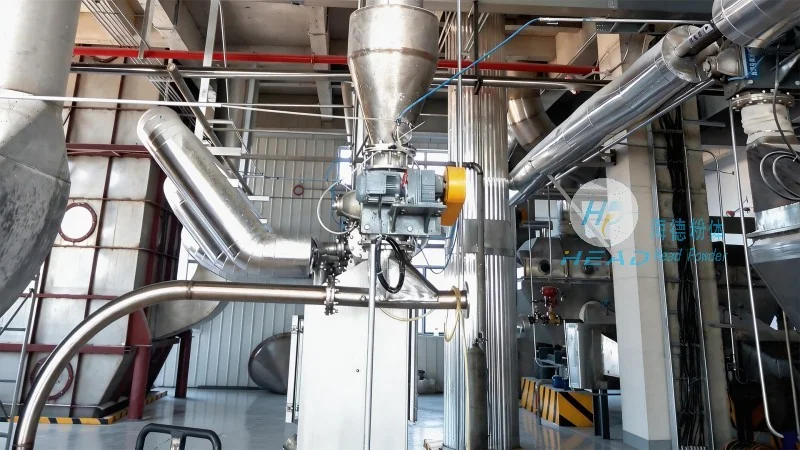
Overview of High-Alumina Fly Ash Conveying Methods
High-alumina fly ash, often referred to as HAF, is a fine powder with a high alumina (Al₂O₃) content, typically ranging from 20% to 40%. Its properties, such as fineness, moisture content, and density, significantly influence the choice of conveying method. The primary goal of any conveying system is to transport the material safely, efficiently, and with minimal degradation. Below, we explore several widely used methods, including pneumatic conveying, screw conveyors, belt conveyors, and bucket elevators, analyzing their suitability for high-alumina fly ash applications.
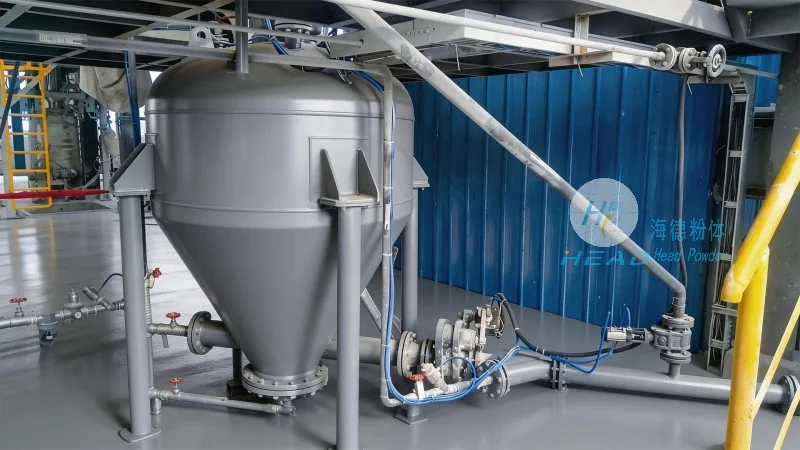
Pneumatic Conveying Systems
Pneumatic conveying, also known as air conveying, is a popular method for transporting high-alumina fly ash due to its ability to handle fine powders and minimize material degradation. This system operates by using compressed air to move the material through a pipeline. There are two main types: pressure and vacuum systems. Pressure systems use positive pressure to push the material forward, while vacuum systems use negative pressure to pull it. Pneumatic conveying is particularly effective for long-distance and high-rise applications, as it can transport materials vertically and horizontally with minimal maintenance. However, it requires careful control of air pressure and flow rates to prevent material clogging or degradation. The system is also susceptible to dust emissions, which necessitates proper filtration and ventilation. For high-alumina fly ash, which is often abrasive, the selection of appropriate pipeline materials, such as stainless steel or special coatings, is crucial to prevent wear and tear. Pneumatic conveying is ideal for applications where the material needs to be transported over long distances or through complex layouts, such as from a storage silo to a processing plant. It offers advantages like low maintenance, the ability to handle fine powders, and the option for dust-free operation when equipped with proper filtration. However, it may not be suitable for very high material loads or for materials with high moisture content, as this can lead to increased energy consumption and system inefficiencies.
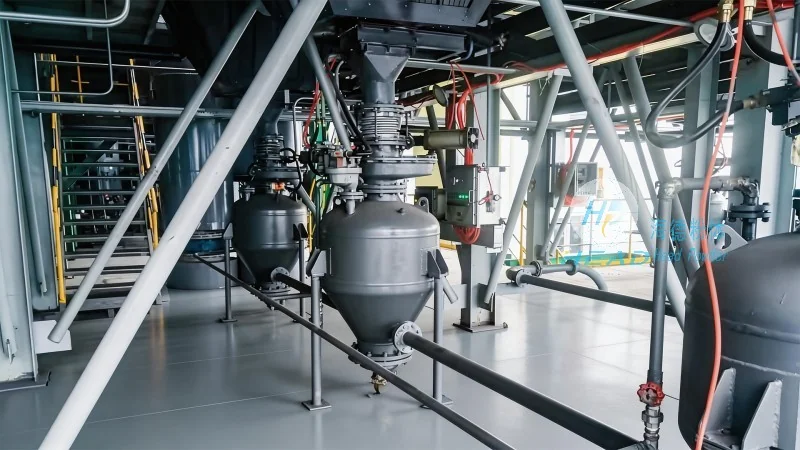
Screw Conveyors
Screw conveyors, also known as auger conveyors, are another common method for transporting high-alumina fly ash. These systems consist of a rotating screw (auger) inside a trough or tube, which moves the material forward through the mechanism. Screw conveyors are suitable for horizontal and slightly inclined applications, with a maximum inclination of about 20 degrees. They are particularly effective for handling bulk materials with moderate to high bulk density, such as fly ash. The design of the screw, including its pitch and diameter, is critical to the system's performance. A properly designed screw ensures smooth material movement and minimizes the risk of clogging. Screw conveyors are relatively simple in construction, making them cost-effective and easy to maintain. They are also capable of handling abrasive materials, provided that the screw and trough are made of durable materials like stainless steel or high-grade steel. One of the main advantages of screw conveyors is their ability to transport materials in a closed system, reducing dust emissions and improving safety. However, they are not suitable for long-distance or high-rise applications, as the material may experience excessive pressure and wear. Additionally, screw conveyors may not be ideal for very fine or low-density materials, as these can lead to increased friction and potential blockages. For high-alumina fly ash, which is often fine and abrasive, screw conveyors are a viable option, especially for short to medium-distance transport within a plant.
Belt Conveyors
Belt conveyors are widely used in bulk material handling, including the transportation of high-alumina fly ash. These systems consist of a continuous belt that moves over rollers or pulleys, transporting the material from one point to another. Belt conveyors are suitable for both horizontal and inclined applications, with a maximum inclination of about 18 degrees for standard designs. They are capable of handling large volumes of material and are ideal for long-distance transport, such as from a storage yard to a processing facility. The key components of a belt conveyor include the belt, idlers, pulleys, and drive system. The choice of belt material, such as rubber or synthetic materials, is important to ensure durability and resistance to abrasion from high-alumina fly ash. Belt conveyors are known for their high efficiency and low maintenance costs, making them a popular choice in industrial settings. They can transport materials at high speeds and with minimal energy consumption, especially when properly designed and maintained. However, belt conveyors require regular inspection and maintenance to prevent belt wear, misalignment, or slippage. The system is also susceptible to material spillage and dust emissions, which necessitates proper sealing and dust control measures. For high-alumina fly ash, belt conveyors are suitable for applications where large volumes need to be transported over long distances, such as in cement plants or power stations. They offer advantages like high capacity, low cost, and the ability to handle a wide range of material sizes. However, they may not be ideal for very fine or cohesive materials, as these can cause belt slippage or material buildup. Additionally, belt conveyors are not suitable for vertical transport, as the material may experience excessive pressure and wear.
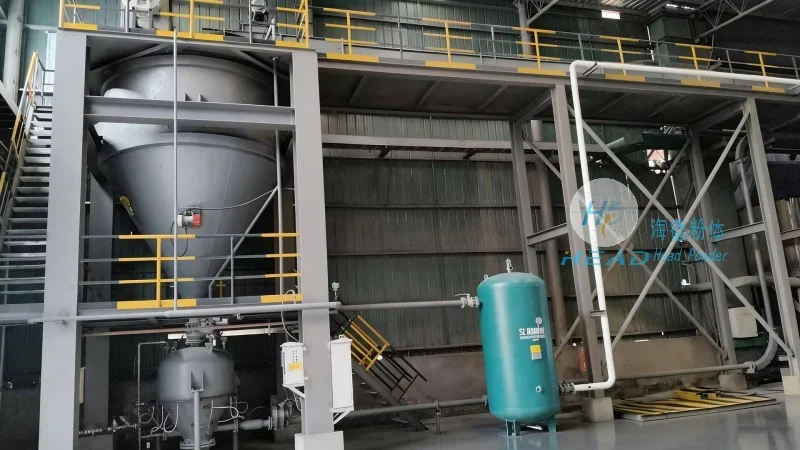
Bucket Elevators
Bucket elevators are a specialized form of conveyor system designed for vertical or steeply inclined transport of bulk materials, including high-alumina fly ash. These systems consist of a continuous chain or belt with attached buckets that move vertically, lifting the material from a lower to a higher level. Bucket elevators are particularly effective for vertical transport, with a maximum inclination of up to 90 degrees. They are capable of handling fine powders and abrasive materials, making them suitable for high-alumina fly ash applications. The design of the buckets, including their shape and material, is critical to the system's performance. Properly designed buckets ensure efficient material loading and unloading, minimizing the risk of clogging or material loss. Bucket elevators are known for their high efficiency and low maintenance costs, especially when compared to other vertical transport systems. They are also capable of handling large volumes of material and are suitable for applications where vertical transport is necessary, such as from a ground-level storage silo to an elevated processing unit. One of the main advantages of bucket elevators is their ability to transport materials vertically with minimal space requirements. However, they require careful alignment and maintenance to prevent bucket wear or chain breakage. The system is also susceptible to material spillage and dust emissions, which necessitates proper sealing and dust control. For high-alumina fly ash, bucket elevators are a viable option for vertical transport, especially when the material needs to be moved to a higher level for processing. They offer advantages like high capacity, low energy consumption, and the ability to handle abrasive materials. However, they may not be suitable for very fine or cohesive materials, as these can cause bucket slippage or material buildup. Additionally, bucket elevators are not suitable for horizontal or low-inclination transport.




