For industrial applications requiring the efficient handling of abrasive powders like aluminum oxide, the pneumatic conveying system has emerged as a reliable solution. This article delves into the operation process and working principle of a specialized abrasives powder pneumatic conveying machine, highlighting its design, functionality, and operational efficiency, developed by Shandong HeadPowder Engineering Co., Ltd., a leading manufacturer based in China.
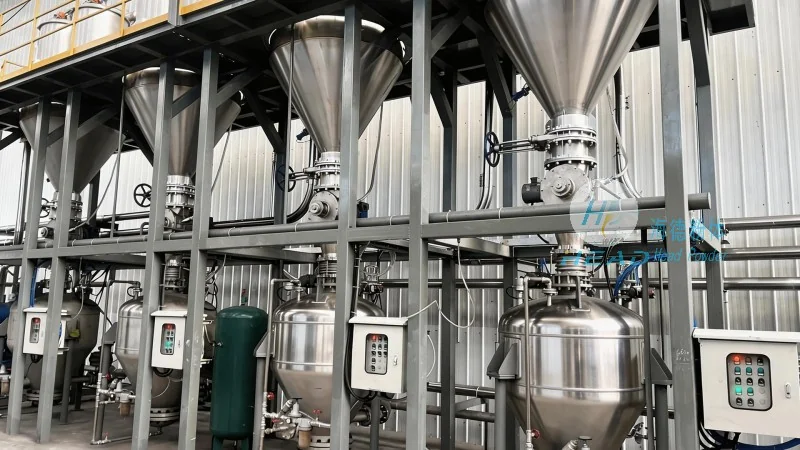
Introduction to Abrasives Powder Pneumatic Conveying
The pneumatic conveying machine for abrasives powder is engineered to transport fine, abrasive materials such as aluminum oxide from one location to another within a production facility. Unlike traditional mechanical conveyors, this system utilizes compressed air or gas to move the powder through a pipeline, offering advantages like reduced wear and tear, lower maintenance costs, and the ability to handle materials that are difficult to convey via conventional methods.
Key Components of the Pneumatic Conveying System
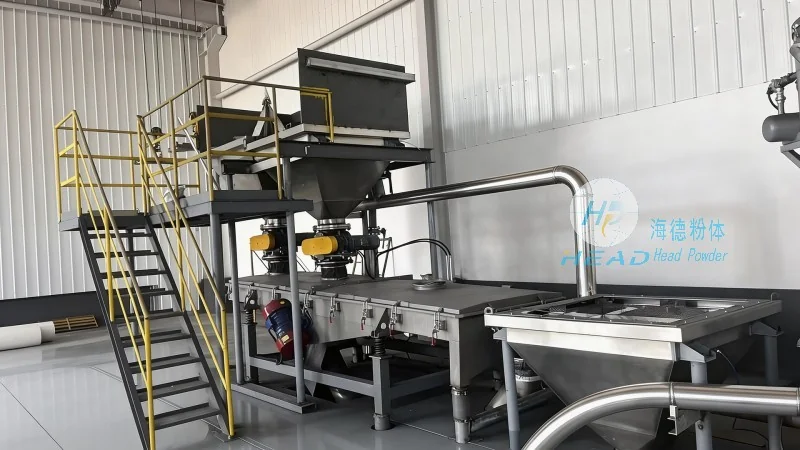
The abrasives powder pneumatic conveying machine consists of several critical components that work in tandem to ensure smooth operation. These include the hopper for material storage, a rotary valve or feeder to control the flow of powder, a compressor or air source to generate the conveying air, a pipeline network to transport the material, and a receiver or discharge unit where the powder is deposited. Each component plays a vital role in maintaining the system's efficiency and preventing material degradation.
Working Principle of the Pneumatic Conveying Process
The operation of the abrasives powder pneumatic conveying machine begins with the material being fed from the hopper into the feeder. The feeder then regulates the flow of powder into the pipeline, where it is mixed with the conveying air. As the air flows through the pipeline at a high velocity, it creates a drag force that lifts and transports the powder particles. The mixture of air and powder travels through the pipeline to the discharge point, where the air is separated from the powder, typically using a cyclone separator or a filter, and the powder is collected in the receiver.
Operation Process: Step-by-Step Overview
1. **Material Loading**: The abrasive powder, such as aluminum oxide, is loaded into the hopper. The hopper is designed to accommodate a sufficient quantity of material to ensure continuous operation without frequent refilling.
2. **Feeding and Air Intake**: The rotary valve or feeder controls the rate at which powder is released into the pipeline. Simultaneously, the compressor draws in air and compresses it to the required pressure, which is then introduced into the pipeline.
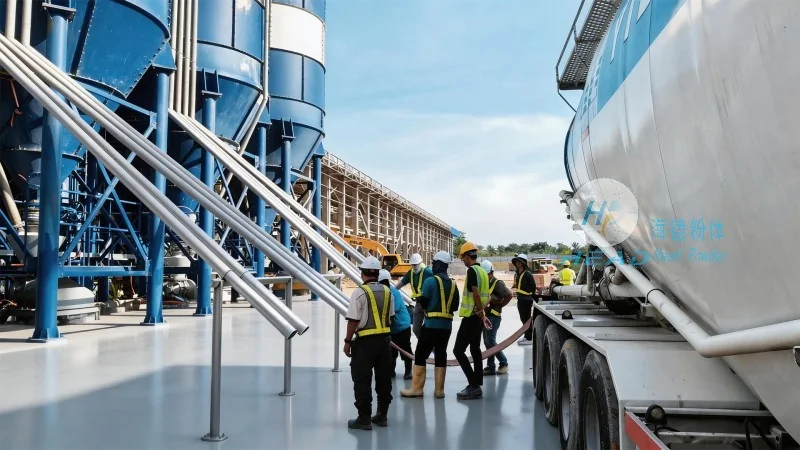
3. **Conveying Phase**: The compressed air, now mixed with the powder, moves through the pipeline. The air velocity is maintained at a level sufficient to overcome the gravitational force acting on the powder particles, ensuring stable and efficient transport.
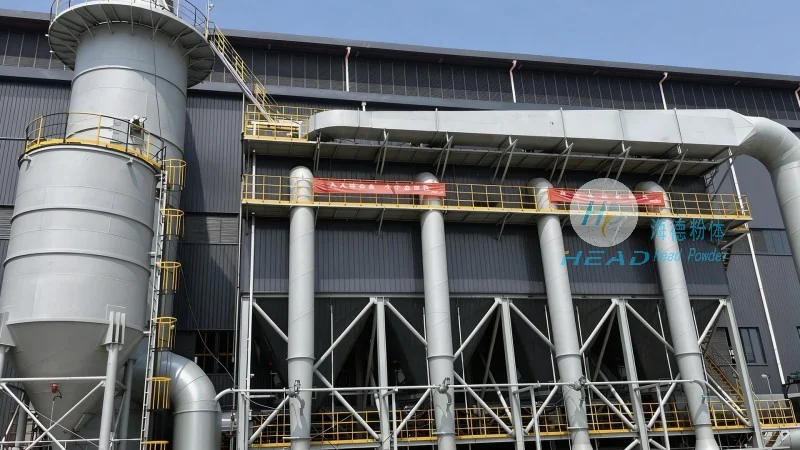
4. **Separation and Discharge**: At the receiving end, the air and powder mixture enters a separator. The separator uses centrifugal force to separate the air from the powder, allowing the powder to be collected in the receiver while the air is either recirculated or vented.
Advantages of Using an Abrasives Powder Pneumatic Conveying Machine
Implementing a pneumatic conveying system for abrasive powders offers several benefits. Firstly, it minimizes material contamination and degradation, as the powder is not subjected to mechanical friction or impact. Secondly, the system reduces labor costs by automating the material handling process. Thirdly, it provides flexibility in terms of layout, as the pipeline can be installed in various configurations to suit the production facility's design. Lastly, the system is relatively low-maintenance compared to traditional conveyors, as there are fewer moving parts exposed to abrasive wear.
Applications and Industries
The abrasives powder pneumatic conveying machine is widely used in industries that rely on aluminum oxide or other abrasive powders, including the manufacturing of grinding wheels, sandblasting media, and abrasive tools. It is also utilized in the production of ceramics, refractory materials, and in the chemical processing of abrasive powders.
Conclusion
The operation process and working principle of the abrasives powder pneumatic conveying machine, as described above, underscore its effectiveness in handling abrasive materials efficiently and safely. By leveraging compressed air to transport the powder, this system ensures minimal wear, reduced contamination, and enhanced operational flexibility. For companies in the abrasive industry, investing in such a system can lead to improved productivity, lower operational costs, and better material handling capabilities. Shandong HeadPowder Engineering Co., Ltd., with its headquarters in Shandong, China, specializes in designing and manufacturing high-quality pneumatic conveying systems tailored to the needs of abrasive powder handling applications.




