

Detailed Explanation of Activated Carbon Pneumatic Conveying Systems
Activated carbon, a critical material in environmental and industrial applications, often requires efficient and reliable transport methods for its handling. The pneumatic conveying system, particularly designed for activated carbon, offers a solution that combines efficiency with safety. This system is integral to processes where the material needs to be moved from one location to another within a facility or between different stages of production. Understanding the components, operation, and benefits of such a system is essential for optimizing material handling in various industrial settings. Shandong HeadPowder Engineering Co., Ltd. specializes in developing advanced activated carbon pneumatic conveying systems that meet the diverse needs of industrial clients.
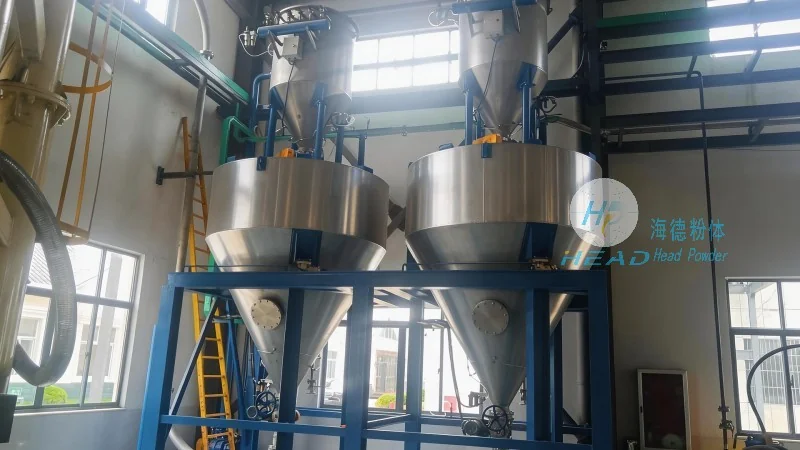
Key Components of the Activated Carbon Pneumatic Conveying System
The activated carbon pneumatic conveying system comprises several key components that work in tandem to ensure effective material transport. These components include the hopper or feeder, which holds the activated carbon and controls the flow rate; the conveying pipeline, which can be made of various materials like stainless steel or plastic to prevent material degradation and system corrosion; the air supply system, which generates the necessary air pressure to move the material; and the control valves and sensors that regulate the air flow and monitor the system's performance. Each component plays a crucial role in maintaining the system's efficiency and reliability, as designed by Shandong HeadPowder Engineering Co., Ltd.
How the System Operates
The operation of the activated carbon pneumatic conveying system involves a series of steps that ensure the material is transported smoothly and without interruption. Initially, the activated carbon is fed into the hopper from a storage silo or batch container. The feeder then regulates the flow of the material into the conveying pipeline. Simultaneously, the air supply system generates a high-pressure air stream that is introduced into the pipeline. As the air flows through the pipeline, it entrains the activated carbon particles, creating a slurry-like mixture that moves through the system. The conveying pipeline may include bends, expansions, or reductions, which are designed to handle the material's flow characteristics without causing blockages or excessive pressure drops. At the receiving end, the system typically includes a separator or cyclone that separates the air from the activated carbon, allowing the material to be deposited into a collection bin or storage vessel. The air is then filtered and recycled back into the system, reducing energy consumption and waste.
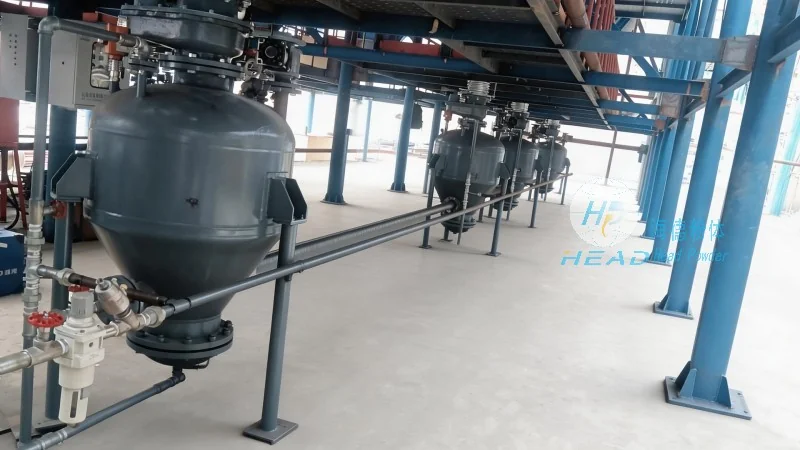
Advantages of Using an Activated Carbon Pneumatic Conveying System
Implementing an activated carbon pneumatic conveying system offers several advantages over traditional material handling methods. One of the primary benefits is the reduction in labor costs and operational time, as the system automates the entire transport process. This automation also minimizes the risk of human error and ensures consistent material flow rates. Additionally, the system provides a dust-free environment, which is crucial for maintaining workplace safety and compliance with environmental regulations. The enclosed nature of the system prevents the release of dust or airborne particles, protecting both personnel and the surrounding environment. Furthermore, the system can be designed to handle various particle sizes and moisture contents of activated carbon, making it versatile for different industrial applications. The energy efficiency of the system, particularly with air recycling, contributes to lower operational costs and reduced environmental impact.
Applications and Industries
The activated carbon pneumatic conveying system is widely used across various industries that rely on activated carbon for their processes. In the environmental sector, it is essential for the transport of activated carbon used in water treatment plants and air purification systems. The chemical industry utilizes this system for handling activated carbon in the production of adsorbents and catalysts. The pharmaceutical industry also benefits from the system's ability to handle activated carbon in the manufacturing of drug products, ensuring a clean and controlled environment. Additionally, the food and beverage industry uses the system for processing activated carbon in filtration and purification processes, maintaining product quality and safety standards.
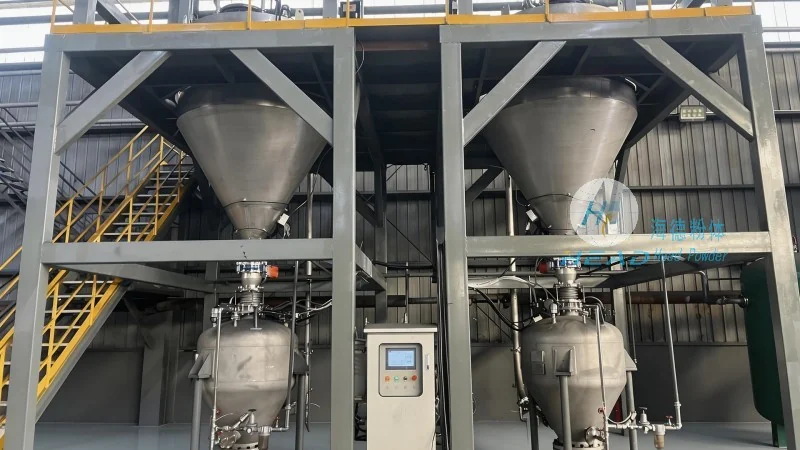
Installation and Maintenance Considerations
Proper installation and regular maintenance are critical to the longevity and performance of the activated carbon pneumatic conveying system. During installation, it is important to ensure that all components are properly aligned and connected to prevent leaks or blockages. The conveying pipeline should be checked for any signs of wear or damage, as this can affect the system's efficiency. Regular cleaning of the system, particularly the hopper and separator, is necessary to prevent the buildup of material that could lead to clogging. The air supply system should be inspected for any issues with pressure or flow, as this can impact the material's transport. Additionally, the control valves and sensors should be calibrated regularly to ensure accurate monitoring and regulation of the system's operation. Proper maintenance practices, including routine inspections and timely repairs, help to minimize downtime and maximize the system's operational life.
Conclusion
Activated carbon pneumatic conveying systems are a vital component in the efficient handling of activated carbon in various industrial applications. By understanding the components, operation, and benefits of such a system, industries can optimize their material transport processes, reduce costs, and improve workplace safety. The system's versatility and adaptability make it suitable for a wide range of applications, from environmental treatment to pharmaceutical production. With proper installation and maintenance, these systems provide reliable and efficient solutions for transporting activated carbon, contributing to the overall success of industrial operations.