Automatic bulk material pneumatic conveying systems represent a sophisticated method for transporting dry, granular, or powder materials through a pipeline using pressurized or vacuum air. This technology is widely utilized across various industries, including food processing, pharmaceuticals, chemicals, and mining, due to its efficiency, hygiene, and ability to handle a wide range of materials. The operation of such systems involves a series of integrated components working in concert to ensure smooth and reliable material transport. Understanding the operation process and working principles is crucial for optimizing system performance and maintaining operational efficiency.
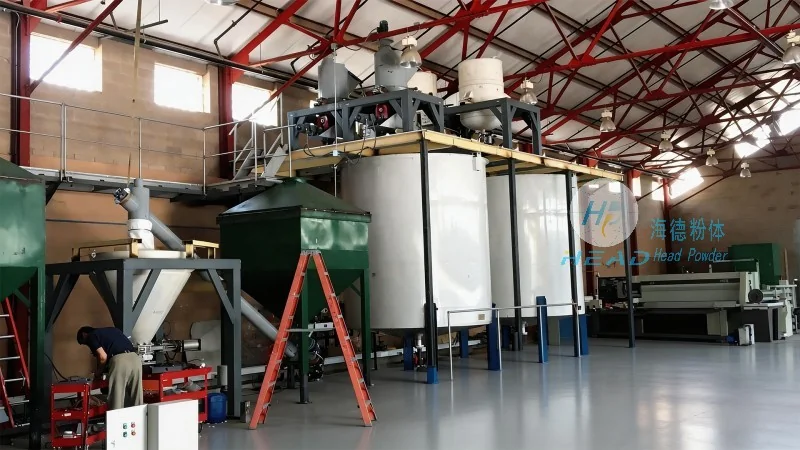
Key Components of Pneumatic Conveying Systems
At the core of any pneumatic conveying system are several essential components that work together to facilitate material transport. These typically include a material feeder, a conveying line (often equipped with bends and straight sections), a dust separator or filter, and a receiver or discharge unit. The material feeder is responsible for introducing the bulk material into the system, while the conveying line transports it through the pipeline. The dust separator ensures that air and particles are separated, maintaining air quality and preventing material loss. The receiver collects the transported material at the destination point. Each component plays a critical role in the overall functionality of the system, and their proper design and maintenance are vital for optimal performance.
Operation Process of Automatic Pneumatic Conveying
The operation process of an automatic bulk material pneumatic conveying system begins with the material being fed into the system via the feeder. The feeder can be a screw feeder, a rotary valve, or a hopper with a controlled discharge mechanism, depending on the material characteristics and system requirements. Once the material is introduced, the conveying air is generated either by a positive displacement blower or a vacuum pump, creating the necessary pressure or suction to move the material through the pipeline. The air and material mixture travels through the conveying line, which may include various fittings such as elbows, tees, and straight sections to direct the flow. As the mixture moves, the air velocity and pressure are maintained at levels sufficient to keep the material suspended and transported. Upon reaching the destination, the mixture enters the dust separator, where the air is filtered and the material is collected in the receiver. The separated air is then discharged, while the material is discharged from the receiver for further processing or storage. The entire process is typically automated, with sensors and controls monitoring parameters such as pressure, flow rate, and material level to ensure consistent operation.
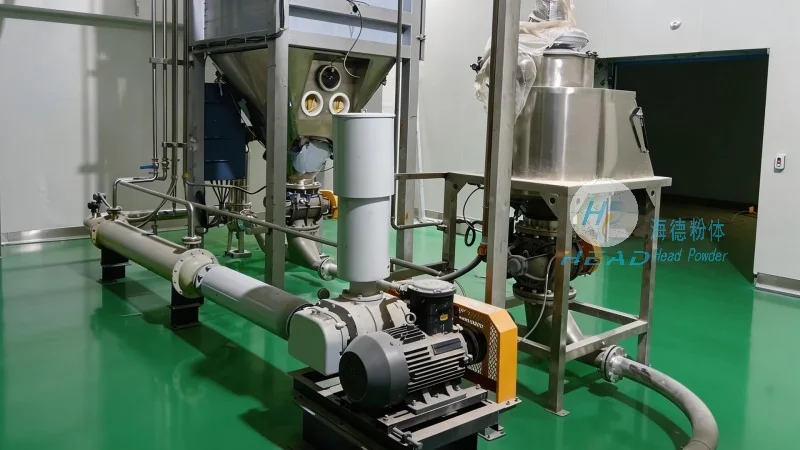
Working Principle of Pneumatic Conveying
The working principle of pneumatic conveying relies on the fundamental concept of fluid dynamics and particle suspension. In a positive pressure system, air is forced through the pipeline at a high velocity, creating a pressure higher than the ambient air. This pressure difference propels the material particles along with the air, keeping them suspended and moving through the pipeline. The air velocity must be sufficient to overcome the gravitational force acting on the particles and any frictional losses in the pipeline. In a vacuum system, the air is drawn from the pipeline, creating a lower pressure than the ambient, which pulls the material particles into the line. The balance between air velocity and particle size, density, and shape determines the efficiency of the conveying process. The system's design, including the diameter of the pipeline, the length of the conveying line, and the number of bends, all influence the air velocity and pressure required for effective material transport. Proper sizing and configuration of these components are essential to prevent material deposition or blockages, which can lead to system inefficiencies or failures.
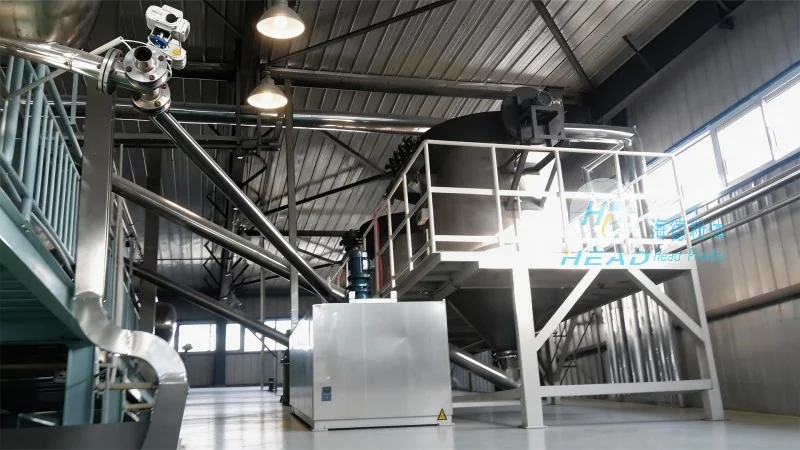
Advantages of Automatic Pneumatic Conveying
Automatic bulk material pneumatic conveying systems offer several advantages over traditional mechanical conveying methods. One of the primary benefits is the ability to handle a wide variety of materials, including those that are dusty, corrosive, or hygienically sensitive. The enclosed pipeline design prevents contamination and dust emissions, making it suitable for applications where product purity and environmental compliance are critical. Additionally, the system is relatively compact and can be installed in various configurations, including vertical, horizontal, or a combination of both, to suit different facility layouts. The automation of the process reduces labor costs and minimizes human error, leading to increased operational efficiency and consistency. Furthermore, the system can be easily integrated with other processing equipment, such as mixers, classifiers, or packaging machines, to form a complete production line. The ability to transport materials over long distances without the need for intermediate storage or handling points also enhances overall system throughput and reduces downtime.
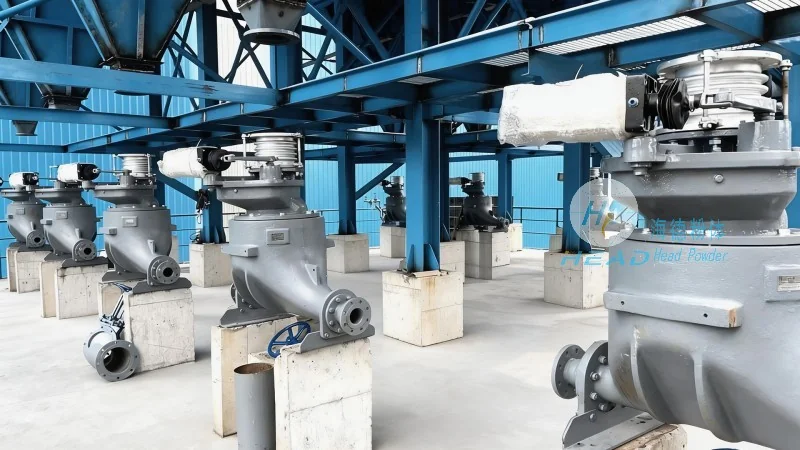
Applications and Industries
Automatic pneumatic conveying systems are employed in numerous industries due to their versatility and efficiency. In the food and beverage industry, they are used to transport ingredients like flour, sugar, and spices, ensuring hygienic handling and preventing cross-contamination. The pharmaceutical industry utilizes these systems for transporting active pharmaceutical ingredients (APIs) and excipients, maintaining strict quality control and preventing product degradation. In the chemical industry, pneumatic conveying is used for handling powders and granules, such as fertilizers, pigments, and coatings, where dust control and material purity are essential. The mining and minerals sector also benefits from pneumatic conveying for transporting raw materials like coal, ore, and limestone from processing plants to storage or shipping facilities. Each application requires specific system configurations tailored to the material properties and operational requirements, ensuring optimal performance and compliance with industry standards.
Maintenance and Operational Considerations
Proper maintenance and operational considerations are crucial for ensuring the longevity and efficiency of automatic pneumatic conveying systems. Regular inspection and cleaning of the conveying line, dust separator, and receiver are necessary to prevent material buildup and blockages. The air filter and blower or pump components should be checked regularly to maintain optimal performance and prevent air leaks or pressure drops. Material compatibility with the system components, such as the feeder and pipeline, must be considered to avoid corrosion or wear. Additionally, monitoring system parameters such as pressure, flow rate, and material level can help identify potential issues early, allowing for timely maintenance and reducing the risk of system downtime. Training operators on the proper operation and maintenance of the system is also essential to ensure safe and efficient operation. By adhering to these maintenance practices and operational guidelines, system owners can maximize the lifespan of their equipment and maintain consistent material transport performance.




