HeadPowder, a leading engineering company based in Shandong, China, specializes in the design and implementation of advanced pneumatic conveying systems for material feeding applications. The automatic material feeding pneumatic conveying system is a sophisticated solution that integrates automation, control, and efficient material handling technologies to ensure precise and reliable material transport in industrial settings.
Key Components and Their Roles
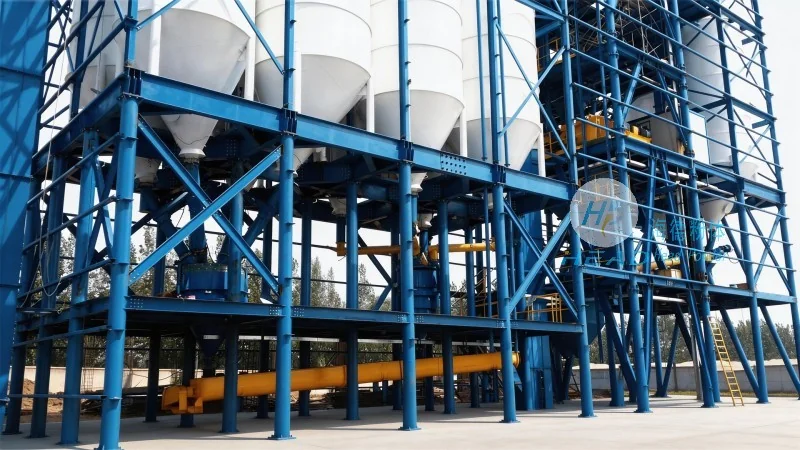
The system typically comprises several core components, each playing a critical role in the overall operation. These include the material hopper, which stores the bulk material; the feeder, responsible for controlling the material flow rate; the air compressor or blower that generates the necessary air pressure; the conveying line, which transports the material; and the control system that monitors and adjusts the process parameters. Each component is meticulously designed to work in harmony, ensuring optimal performance and minimal downtime.
Operation Process: Step-by-Step Execution
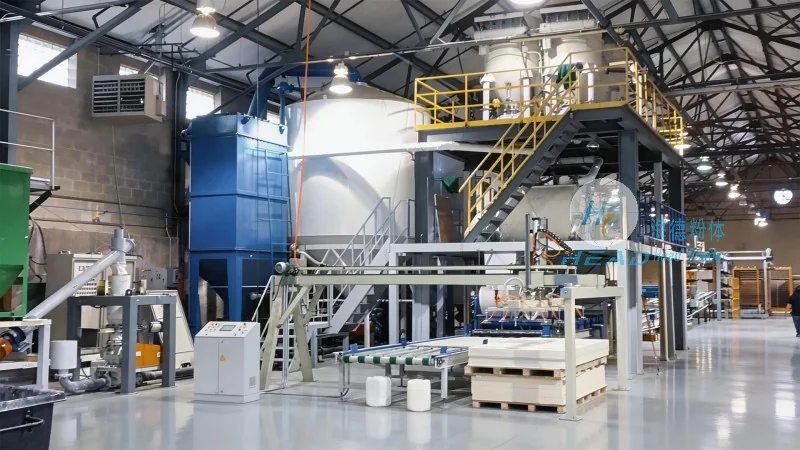
The operation of the automatic material feeding pneumatic conveying system follows a systematic sequence to achieve consistent material delivery. The process begins with the material being loaded into the hopper. The feeder then regulates the flow of material into the conveying line, while the air compressor provides the required air pressure to create a flow of air and material particles. As the material is drawn into the line, it is propelled through the system by the air flow, reaching the destination point such as a mixer, storage silo, or processing unit. The control system continuously monitors parameters like pressure, flow rate, and material level, making real-time adjustments to maintain stable operation and prevent issues like blockages or overloading.
Working Principle: The Physics Behind the System
The working principle of pneumatic conveying relies on the fundamental physics of fluid dynamics and particle transport. When air is introduced into the conveying line at a sufficient velocity, it creates a low-pressure zone that draws the material particles into the flow. The material is then suspended and transported along the line by the air stream. The system can operate in either dilute-phase or dense-phase modes, depending on the material characteristics and application requirements. In dilute-phase conveying, the material is suspended in the air stream, allowing for high-speed transport over long distances. In dense-phase conveying, the material is conveyed in a more compact form, reducing the risk of particle degradation and ensuring gentler handling for sensitive materials. The choice of mode is determined by factors such as material density, moisture content, and the need for minimal particle breakage.
Advantages of the Automatic System
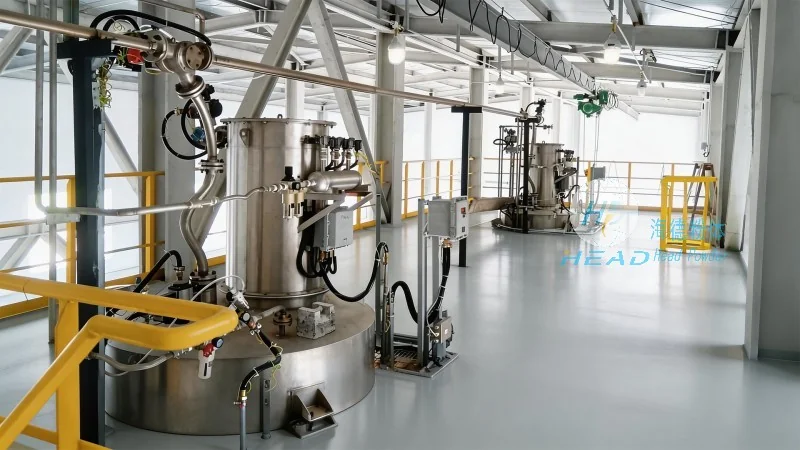
Implementing an automatic material feeding pneumatic conveying system offers numerous benefits for industrial operations. Firstly, it enhances operational efficiency by reducing manual intervention and ensuring consistent material flow rates. The automation feature minimizes human error, leading to higher accuracy in material delivery and reduced waste. Secondly, the system improves safety by eliminating the need for manual handling of bulk materials, which can be hazardous. Thirdly, it provides flexibility in handling a wide range of materials, from powders and granules to fine particles, without requiring significant modifications. Additionally, the system offers cost savings through reduced labor costs, lower maintenance requirements, and increased production throughput. These advantages make the automatic material feeding pneumatic conveying system a preferred choice for industries seeking to optimize their material handling processes.
Application Scenarios and Industries
The automatic material feeding pneumatic conveying system is widely used across various industries due to its versatility and reliability. In the pharmaceutical industry, it is employed to transport raw materials and intermediates with high precision, ensuring compliance with stringent quality and safety standards. In the food and beverage sector, the system handles ingredients like flour, sugar, and spices, maintaining hygiene and preventing contamination. The chemical industry utilizes it for transporting powders and granules, particularly in processes involving reactive or hazardous materials. In the cement and construction materials industry, the system efficiently conveys raw materials to production lines, improving overall plant productivity. Additionally, in the agricultural sector, it aids in the handling of grain and other agricultural products, facilitating storage and processing operations. The adaptability of the system to diverse applications makes it a valuable asset in modern industrial operations.




