HeadPowder Engineering, a leading provider of material handling solutions, specializes in air-pneumatic conveying systems designed for the efficient transport of waste materials. Based in Shandong, China, HeadPowder Engineering leverages its expertise to deliver high-quality systems that meet the demands of modern waste management and recycling operations. This technology offers a reliable and flexible method for moving bulk materials through pipelines using compressed air, eliminating the need for traditional mechanical components like belts or buckets. The following sections will explore the operation process and working principle of such systems, highlighting their key components and the step-by-step workflow involved in their operation.
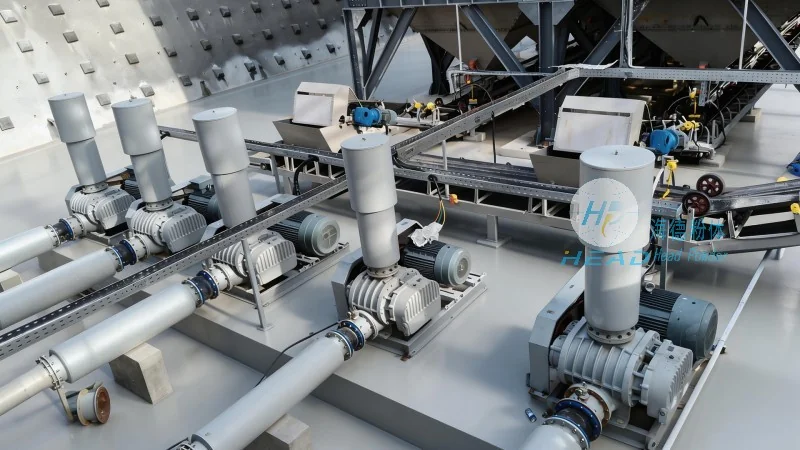
Key Components of an Air-Pneumatic Conveying System
The air-pneumatic conveying system for waste materials typically consists of several critical components that work in tandem to ensure smooth material transport. These components include a material feeder, a conveying pipeline, a pressure vessel or receiver, a blower or compressor, and control valves. The material feeder is responsible for introducing the waste material into the system, while the pipeline transports the material from the feeder to the receiver. The pressure vessel collects the conveyed material and may also serve as a storage unit. The blower or compressor generates the necessary air pressure to move the material through the pipeline, and control valves regulate the air flow and pressure to maintain optimal conveying conditions.
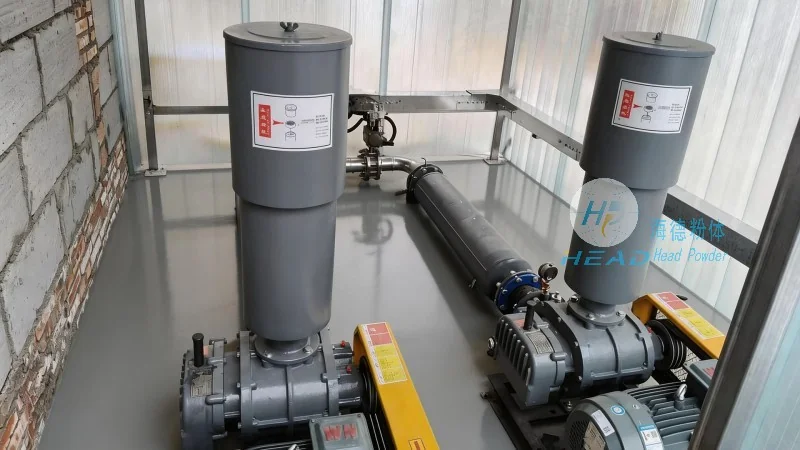
Operation Process of the System
The operation process of an air-pneumatic conveying system for waste materials involves a series of sequential steps that ensure the material is transported efficiently and safely. The process begins with the loading of waste material into the feeder. Once the feeder is filled, the control system activates the blower, which starts to generate compressed air. The compressed air is then introduced into the pipeline, creating a flow that propels the material forward. As the material moves through the pipeline, it is carried by the air stream, and the pressure vessel collects the material at the end of the pipeline. The system may also include a filter or separator to remove any air from the material before it is discharged from the receiver. The entire process is automated, with sensors and controls monitoring the system's performance to ensure consistent operation.
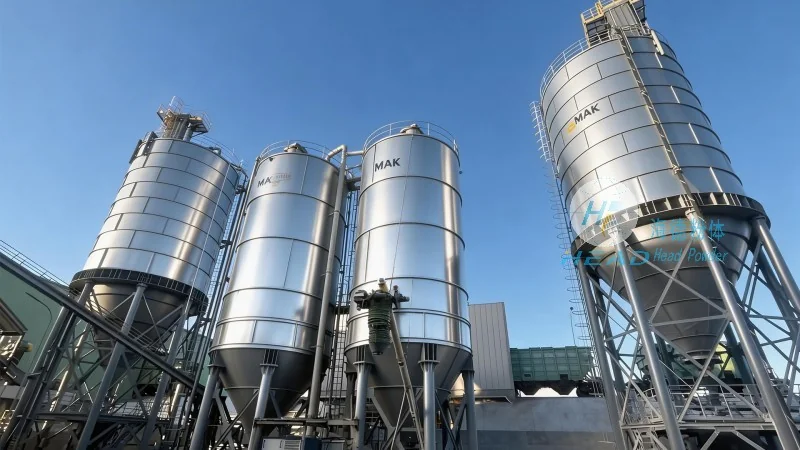
Working Principle: How the System Transports Waste Materials
The working principle of an air-pneumatic conveying system relies on the principles of fluid dynamics and particle motion. When compressed air is introduced into the pipeline, it creates a low-pressure zone that draws the waste material into the air stream. The material particles are then carried by the air flow, which moves them through the pipeline to the receiver. The velocity of the air and the size of the material particles determine the conveying capacity and efficiency of the system. The system is designed to handle a wide range of waste materials, including solid waste, recyclables, and other bulk materials, with minimal maintenance and high reliability. The use of compressed air also reduces the risk of contamination and ensures that the material remains clean during transport.
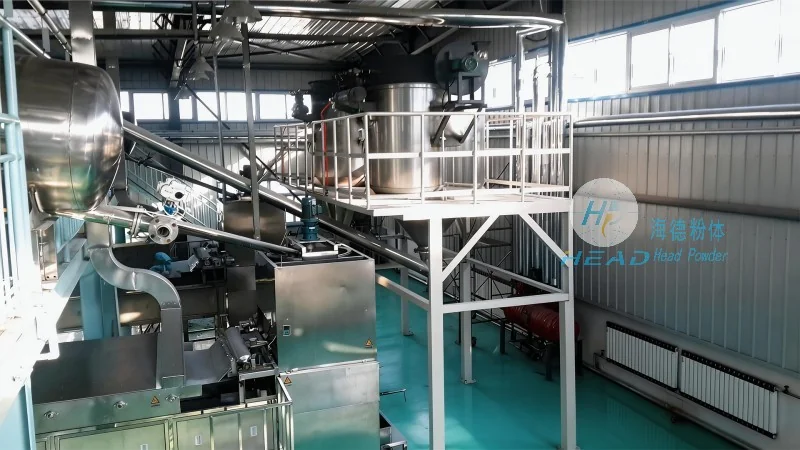
Benefits and Applications of Air-Pneumatic Conveying for Waste Materials
HeadPowder Engineering's air-pneumatic conveying systems offer several advantages for waste material handling, including high efficiency, low maintenance, and flexibility. These systems are ideal for applications where traditional mechanical conveyors are not suitable, such as transporting materials over long distances or through complex layouts. The systems are also environmentally friendly, as they do not require the use of lubricants or other chemicals that could contaminate the waste material. Additionally, the systems can be customized to meet specific customer requirements, including different material feed rates, pipeline lengths, and receiver capacities. HeadPowder Engineering's expertise in designing and manufacturing air-pneumatic conveying systems ensures that customers receive a solution tailored to their specific needs, whether for waste management, recycling, or other material handling applications.




