Wood chip material pneumatic conveying represents a sophisticated and efficient method for transporting wood chips, a critical component in various wood processing applications. This technology leverages compressed air to move solid particles through a pipeline system, offering advantages such as reduced material degradation, minimized contamination, and enhanced operational flexibility compared to traditional mechanical conveyors. The process is particularly valuable in industries where wood chips need to be transported over long distances or through complex layouts, making it an indispensable solution for modern wood processing facilities.
Working Principle of Wood Chip Pneumatic Conveying
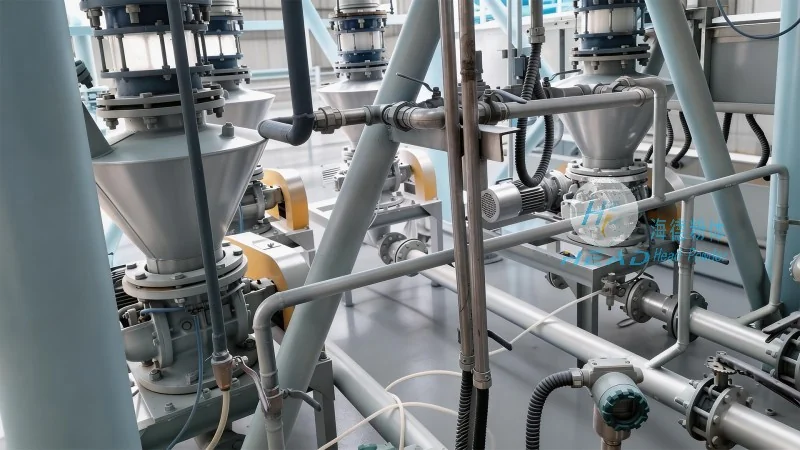
The fundamental principle of wood chip pneumatic conveying is the suspension and transport of solid particles using an air stream. In this system, a blower or compressor generates high-pressure air, which is introduced into a hopper or feeder containing the wood chips. The air flow lifts the chips, creating a suspension that moves through the pipeline. The velocity of the air is carefully regulated to ensure that the chips remain fully suspended, preventing settling or blockages. The system typically comprises several key components: a feeding mechanism to introduce the wood chips into the air stream, a pipeline network to guide the material to the destination, and a separation system to remove the air from the chips at the receiving end. The separation process often involves cyclones or filters, which effectively separate the air from the solid material, allowing the wood chips to be discharged into a collection bin or storage area. This principle ensures that the wood chips are transported efficiently and without damage, maintaining their quality for subsequent processing steps.
Operation Process of Wood Chip Pneumatic Conveying
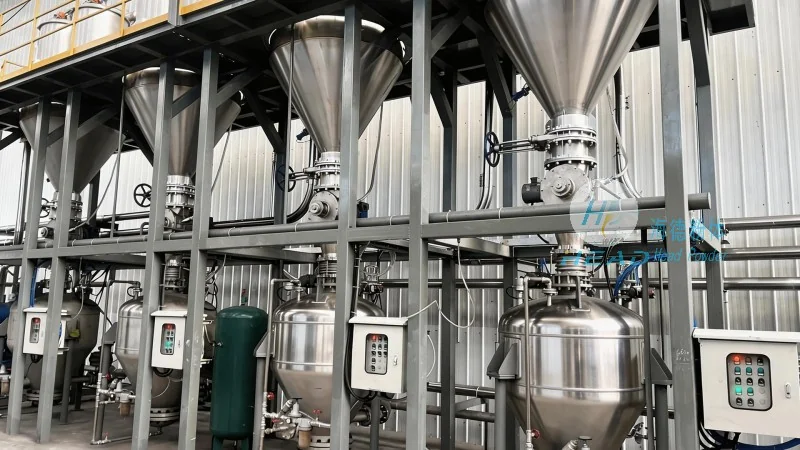
The operation of a wood chip pneumatic conveying system begins with the preparation of the wood chips. The chips are typically processed to a uniform size and moisture content to ensure consistent performance and prevent issues such as clogging or uneven flow. The system starts with the feeding of the wood chips into the hopper, where a rotary valve or screw feeder controls the flow rate, ensuring a steady supply of material. Compressed air is then introduced into the hopper, creating a positive pressure environment that lifts the chips into the pipeline. As the air and chips travel through the pipeline, they move towards the discharge point. The velocity of the air is maintained at a level that ensures the chips remain suspended, with the system designed to handle varying load conditions without compromising performance. At the receiving end, a separator or filter removes the air from the chips, allowing them to fall into a collection bin. The system may also include a vacuum or pressure control mechanism to adjust the flow rate and maintain optimal air pressure, ensuring smooth and continuous operation. Regular maintenance, such as cleaning the filters and checking the air pressure, is essential to prevent system downtime and maintain efficiency. The entire process is automated to a large extent, reducing the need for manual intervention and improving overall operational reliability.
About Shandong HeadPowder Engineering Co., Ltd.
Shandong HeadPowder Engineering Co., Ltd., operating under the brand name HeadPowder, is a prominent provider of pneumatic conveying systems for the wood processing industry. Headquartered in Shandong, China, the company has built a strong reputation for delivering high-quality, customized solutions that meet the specific needs of its clients. With a team of experienced engineers and technicians, HeadPowder specializes in designing and manufacturing pneumatic conveying systems tailored to the unique requirements of wood chip transportation. The company's commitment to innovation and quality control ensures that its products are durable, efficient, and reliable, helping businesses enhance their production processes and reduce operational costs. HeadPowder's extensive experience in the industry allows it to offer comprehensive support, from initial consultation and system design to installation, commissioning, and ongoing maintenance. By leveraging advanced technology and adhering to strict quality standards, HeadPowder delivers systems that not only meet but exceed industry expectations, making it a trusted partner for businesses seeking to optimize their wood chip handling operations.
Technical Advantages of Wood Chip Pneumatic Conveying Systems
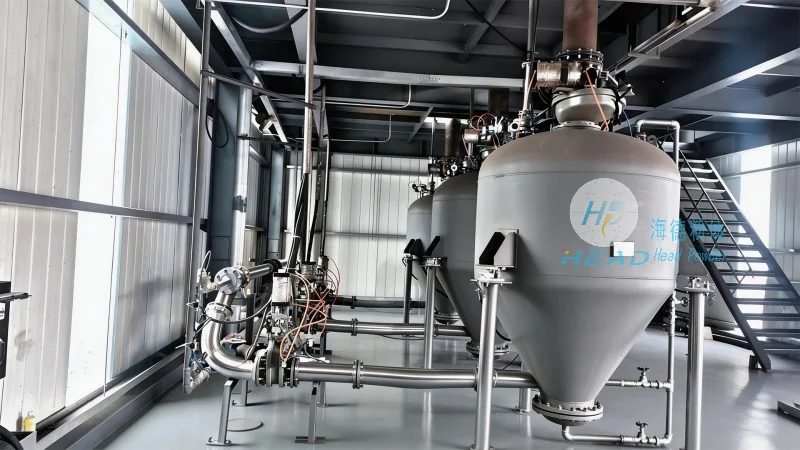
Wood chip pneumatic conveying systems offer several distinct advantages over traditional mechanical conveyors. One of the primary benefits is the ability to transport materials over long distances with minimal infrastructure requirements. The system can handle varying material loads and flow rates, making it adaptable to different production volumes and schedules. Additionally, pneumatic conveying reduces the risk of material contamination and degradation, as the chips are not in direct contact with metal or other surfaces that could introduce impurities or cause wear. The system also minimizes dust emissions compared to other methods, contributing to a cleaner and safer working environment. From a maintenance perspective, pneumatic conveying systems are generally more straightforward, with fewer moving parts and less wear and tear compared to belt or screw conveyors. This results in lower maintenance costs, reduced downtime, and longer system lifespans. Furthermore, the use of pneumatic conveying can improve overall production efficiency by enabling faster and more reliable material transport, which in turn enhances the throughput of downstream processing equipment. These advantages make wood chip pneumatic conveying an attractive and cost-effective solution for modern wood processing facilities.




