HeadPowder, a leading engineering company based in Shandong, China, specializes in providing comprehensive solutions for dust pneumatic conveying. This article explores several effective methods used in the industry to transport fine powders efficiently and reliably. Understanding the different approaches to pneumatic dust transport is crucial for selecting the most suitable system for specific industrial applications.
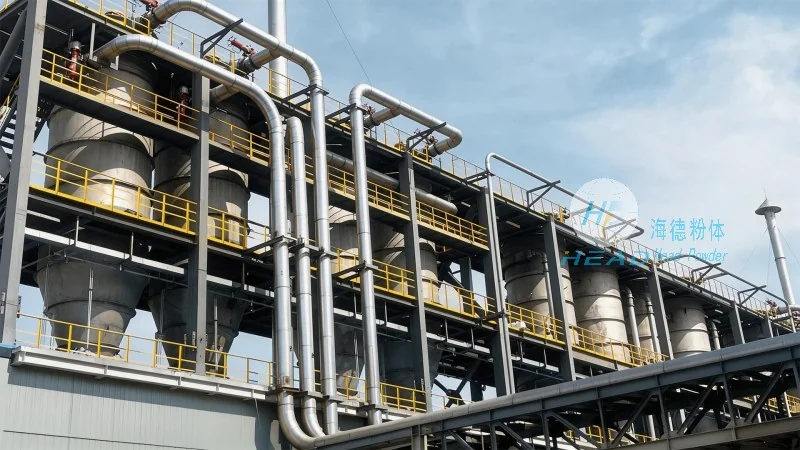
Company Overview: Shandong HeadPowder Engineering Co., Ltd.
HeadPowder is a professional enterprise dedicated to the research, development, and manufacturing of pneumatic conveying equipment. With a strong focus on innovation and quality, the company has established itself as a trusted partner in the field of dust handling and material transport. HeadPowder's solutions are designed to meet the diverse needs of various industries, including chemical, pharmaceutical, food, and mining sectors. The company's headquarters is located in Shandong, China, where it leverages local expertise and resources to deliver high-performance products and services.
Key Features of Pneumatic Dust Conveying Systems
Pneumatic dust conveying systems utilize air or gas to transport particulate materials through a pipeline network. The primary advantage of this method is the ability to handle fine powders that are difficult to transport using traditional mechanical methods. These systems are typically categorized into two main types: positive pressure and negative pressure (or vacuum) systems. Each type has its own unique characteristics and applications, making them suitable for different operational requirements.
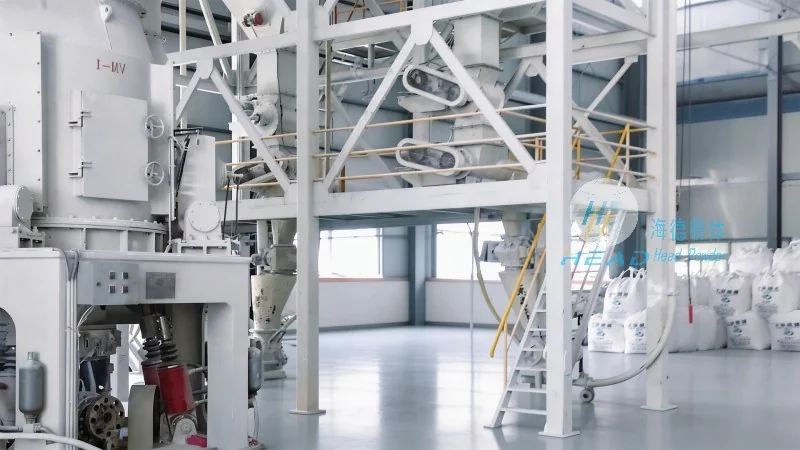
Positive Pressure Pneumatic Conveying
Positive pressure systems operate by blowing air or gas into the conveying line, creating a pressure higher than the ambient environment. This method is ideal for applications where the material needs to be transported over long distances or through multiple bends and changes in elevation. The high-pressure air forces the dust particles to move through the pipeline, ensuring consistent and reliable transport. Positive pressure systems are commonly used in industries such as food processing, where hygiene and contamination control are critical. The equipment used in positive pressure systems includes blowers, airlocks, and flexible hoses, all designed to handle the specific characteristics of the material being conveyed.
Negative Pressure (Vacuum) Pneumatic Conveying
Negative pressure systems, on the other hand, create a vacuum in the conveying line, drawing the material into the system. This approach is often preferred for applications that require the collection of dust from a source, such as a hopper or a silo. The vacuum pulls the dust particles into the pipeline, allowing for the collection and transport of material from a single or multiple points. Negative pressure systems are widely used in the chemical and pharmaceutical industries, where the need to control dust emissions and maintain a clean environment is paramount. The components of a vacuum system include vacuum pumps, cyclone separators, and filters, which work together to ensure efficient and clean material transport.
Customized Solutions for Specific Applications
HeadPowder understands that each industrial application has unique requirements, and therefore, offers customized pneumatic conveying solutions. The company works closely with clients to assess their specific needs, including the type of material, the required transport distance, and the environmental conditions. By tailoring the system design, HeadPowder ensures that the selected solution is optimized for performance, efficiency, and cost-effectiveness. Customization may involve adjusting the blower capacity, modifying the pipeline layout, or integrating additional components such as dust collectors or material feeders. This approach allows clients to achieve their operational goals while minimizing downtime and maintenance costs.
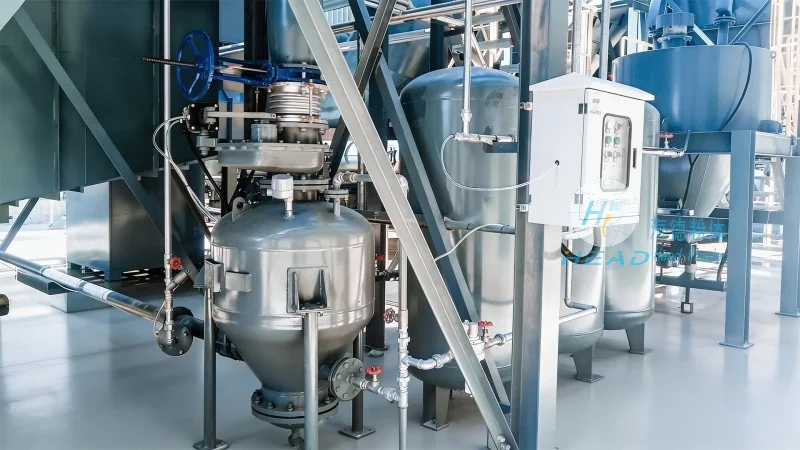
Advantages of Pneumatic Dust Conveying
Compared to traditional mechanical conveying methods, pneumatic dust conveying offers several advantages. One of the key benefits is the ability to transport fine powders without the need for additional equipment such as conveyors or elevators. This reduces the risk of material degradation and contamination, which is particularly important in industries where product quality is a top priority. Additionally, pneumatic systems are more flexible and can be easily adapted to changes in production processes or facility layouts. The compact design of these systems also saves space, making them suitable for installations with limited floor area. Furthermore, pneumatic conveying can handle materials with varying particle sizes and moisture content, providing versatility in material handling.
Conclusion and Contact Information
HeadPowder's expertise in dust pneumatic conveying solutions provides industrial clients with reliable and efficient methods for material transport. By offering customized systems and leveraging advanced technology, the company helps businesses improve their operational efficiency and maintain high standards of quality and safety. For more information about HeadPowder's products and services, please visit our official website or contact our sales team directly. HeadPowder is committed to delivering innovative solutions that meet the evolving needs of the industry.




