Shandong HeadPowder Engineering Co., Ltd., commonly known as headpowder, specializes in the design, manufacturing, and installation of advanced pneumatic conveying systems for various industrial applications. These systems are crucial for efficiently transporting additive materials, such as powders and granules, from one location to another within a production facility. The company's expertise lies in developing customized solutions that meet the specific needs of clients, ensuring optimal performance and reliability in material handling operations.
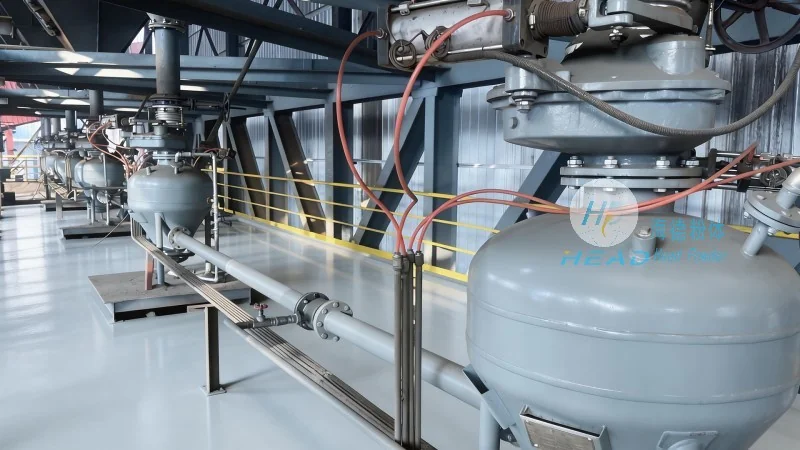
Understanding Pneumatic Conveying Systems
Pneumatic conveying systems utilize air or gas to transport bulk materials through a pipeline network. Unlike traditional mechanical conveyors, these systems offer flexibility and efficiency, making them ideal for handling a wide range of additive materials. The working principle involves creating a pressure differential or using vacuum to move the material along the pipeline. This method eliminates the need for moving parts in contact with the material, reducing wear and maintenance costs.
Key Components of a Pneumatic Conveying System
At the core of a pneumatic conveying system are several key components that work in tandem to ensure smooth operation. These include the material feed hopper, which stores and feeds the additive material into the system; the conveyor line, which consists of pipes and fittings that transport the material; the air supply system, which provides the necessary air or gas flow; and the control system, which regulates the pressure and flow rates to maintain optimal performance. Each component is carefully designed and manufactured to withstand the demands of industrial environments, ensuring durability and long-term reliability.
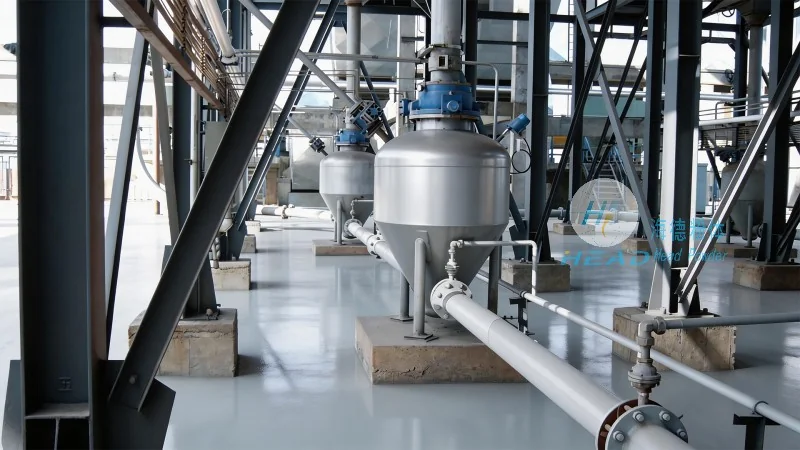
The Operation Process of Additive Material Pneumatic Conveying
The operation process of an additive material pneumatic conveying system typically involves several sequential steps. First, the additive material is loaded into the feed hopper. The material is then discharged into the conveyor line through a valve or feeder, which controls the flow rate. Simultaneously, the air supply system generates the required air pressure or vacuum to move the material. The material is carried along the pipeline by the air flow, reaching the discharge point where it is collected in a receiving hopper or directly into the processing equipment. The system continuously operates, maintaining a steady flow of material until the feed is stopped or the system is shut down.
Advantages of Pneumatic Conveying for Additive Materials
Implementing a pneumatic conveying system for additive materials offers numerous advantages over traditional methods. These include improved material handling efficiency, reduced product contamination, and enhanced safety in the workplace. The system minimizes the risk of material spillage and dust exposure, which is critical for maintaining a clean and safe industrial environment. Additionally, pneumatic conveying systems can handle materials with varying properties, such as moisture content, particle size, and flowability, making them versatile for different applications. The ability to transport materials over long distances without the need for intermediate storage or handling points further enhances operational efficiency.
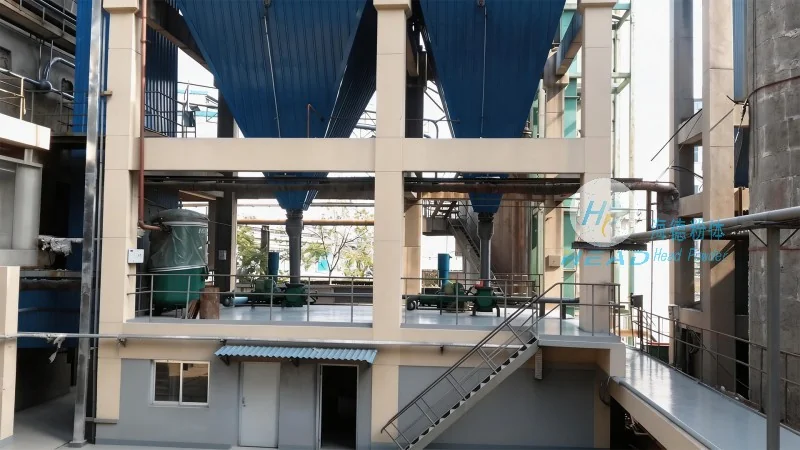
Customization and Application Examples
headpowder provides customized pneumatic conveying solutions tailored to the specific requirements of each client. The company considers factors such as material characteristics, distance to be covered, and production capacity when designing the system. For example, in a pharmaceutical manufacturing facility, a low-pressure pneumatic conveying system may be used to transport active pharmaceutical ingredients (APIs) with high purity requirements. In a chemical plant, a high-pressure system might be employed to handle abrasive materials like calcium carbonate or silica. These customized solutions ensure that the system operates at peak efficiency, meeting the client's production goals while maintaining compliance with industry standards and regulations.
Maintenance and Operational Considerations
Proper maintenance is essential to ensure the long-term performance and reliability of a pneumatic conveying system. Regular inspections of the conveyor line, air supply system, and control components help identify and address potential issues before they lead to system failures. Cleaning the system regularly, especially when handling different materials, prevents clogging and maintains optimal flow rates. Additionally, monitoring the air pressure and flow rates during operation allows operators to detect any deviations and adjust the system parameters as needed. By following these maintenance practices, clients can maximize the lifespan of their equipment and minimize downtime, ensuring consistent and reliable material handling operations.




