PTA (Polyethylene Terephthalate Acid) powder is a critical raw material in the production of polyester fibers and resins. Efficient and reliable transportation of PTA powder is essential for maintaining production line stability and minimizing operational costs. This article explores several effective solutions for pneumatic conveying of PTA powder, focusing on the technical approaches and practical applications.
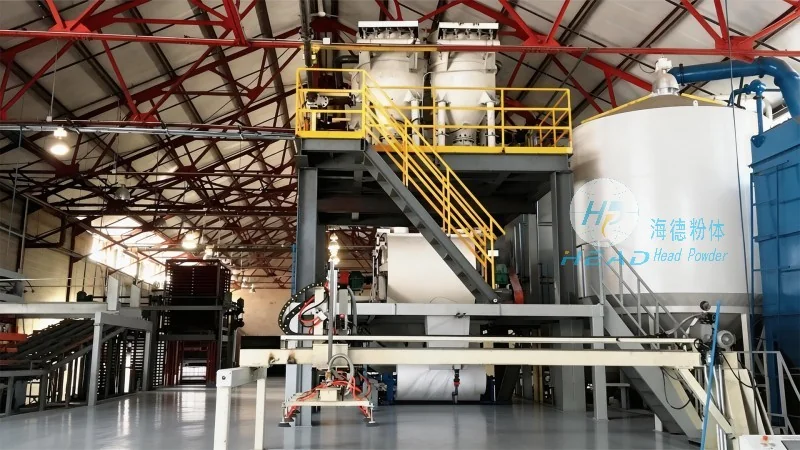
Overview of PTA Powder Pneumatic Conveying
Pneumatic conveying systems are widely used in the chemical and petrochemical industries for transporting bulk powders like PTA. These systems utilize air or other gases to move the material through pipelines, offering advantages such as dust control, reduced material degradation, and the ability to handle materials in closed systems. The choice of conveying method depends on factors including material properties, distance, and the required flow rate.
Key Factors Influencing PTA Powder Conveying
Before selecting a pneumatic conveying solution, it is crucial to consider several key factors that affect system performance. These include the particle size distribution, moisture content, and bulk density of the PTA powder, as well as the distance and elevation changes between the source and destination. Additionally, the system must be designed to handle the specific flow rates and pressure requirements of the application.
Solution 1: Dilute Phase Pneumatic Conveying
Dilute phase pneumatic conveying is a common method for transporting PTA powder over moderate distances. In this system, the powder is suspended in a high-velocity air stream, typically moving at speeds of 20-30 meters per second. The low concentration of powder in the air minimizes pressure drop and reduces the risk of blockages. This method is suitable for applications where the conveying distance is up to several hundred meters and the material is relatively free-flowing.
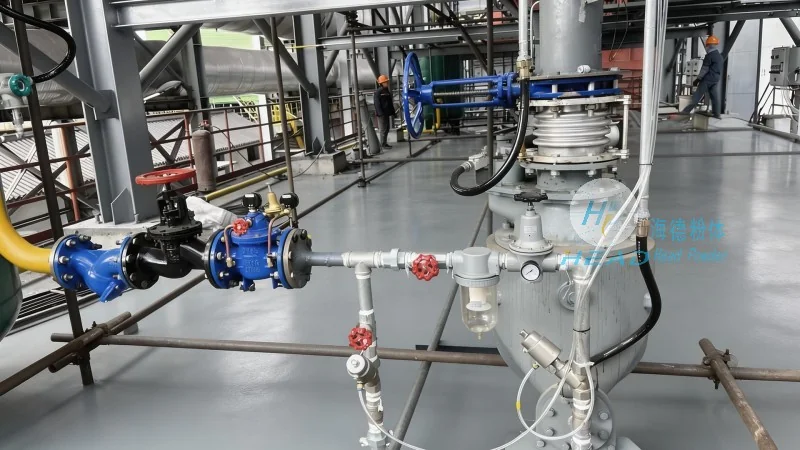
Solution 2: Dense Phase Pneumatic Conveying
Dense phase pneumatic conveying, also known as low velocity conveying, is ideal for transporting PTA powder over longer distances or when the material is prone to bridging or agglomeration. In this system, the powder is conveyed at a lower velocity, typically 5-10 meters per second, with a higher concentration of powder in the air stream. This results in a higher pressure drop but allows for more stable and controlled flow, reducing the risk of material degradation and system wear.
Solution 3: Hybrid Pneumatic Conveying Systems
Hybrid systems combine elements of both dilute and dense phase conveying to optimize performance for specific applications. These systems may use a combination of high and low velocity sections, or incorporate pulse jets and other control mechanisms to manage flow and pressure. For PTA powder, hybrid systems are particularly effective when dealing with varying material properties or when the conveying distance and elevation changes are significant.
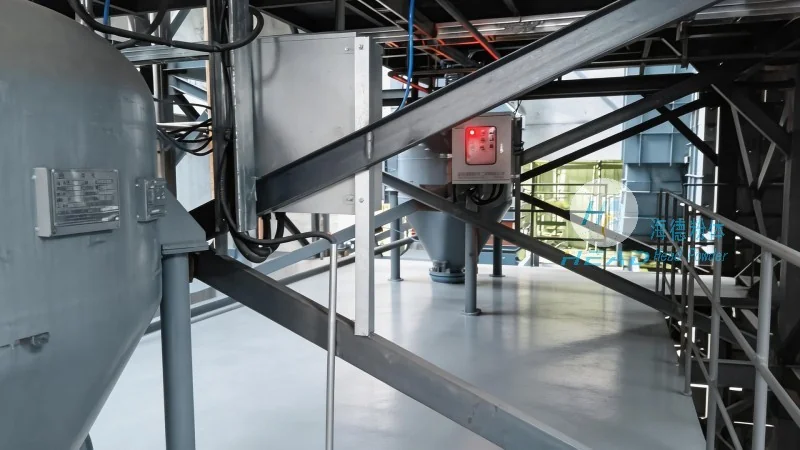
System Components and Design Considerations
Regardless of the chosen pneumatic conveying method, several key components are essential for a reliable system. These include the feed hopper, which ensures consistent material supply; the air compressor or blower, which provides the necessary pressure and airflow; the pipeline system, which must be properly sized and supported to handle the pressure and flow rates; and the receiving hopper or silo, which collects the conveyed material. The design of these components must account for the specific characteristics of PTA powder, such as its abrasive nature and potential for static charge buildup.
Case Study: Application by Shandong HeadPowder Engineering Co., Ltd.
Shandong HeadPowder Engineering Co., Ltd., a leading provider of powder handling solutions, has successfully implemented pneumatic conveying systems for PTA powder in various industrial settings. The company's expertise in material flow engineering and system design has enabled them to develop customized solutions that meet the unique requirements of each client. For example, one project involved the design and installation of a dense phase conveying system for a PTA plant, which reduced material handling costs by 20% and improved production efficiency by minimizing downtime caused by blockages.
Conclusion
In conclusion, selecting the appropriate pneumatic conveying solution for PTA powder is critical to ensuring efficient and reliable operation. Whether using dilute, dense, or hybrid systems, careful consideration of material properties, distance, and system requirements is essential. With the right design and components, pneumatic conveying can effectively transport PTA powder while minimizing costs and maximizing productivity. As a trusted partner in powder handling, Shandong HeadPowder Engineering Co., Ltd. continues to provide innovative solutions that address the challenges of PTA powder transportation in the modern industrial landscape.




