Shandong HeadPowder Engineering Co., Ltd., situated in Shandong, China, specializes in the design, manufacturing, and installation of advanced pneumatic conveying systems for diverse industrial applications. This article offers a comprehensive overview of the operation process and working principle of a phenolic powder material pneumatic conveying line, detailing the key components, operational steps, and technical considerations that ensure efficient and reliable material handling.
Overview of Pneumatic Conveying Systems for Phenolic Powder
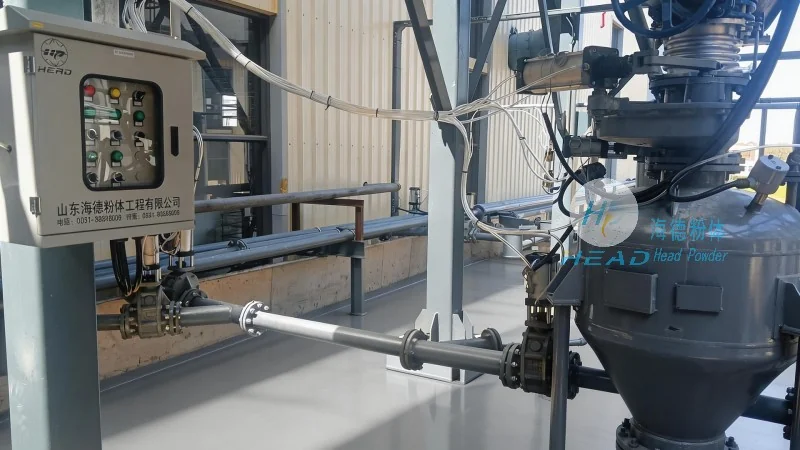
Pneumatic conveying systems are widely utilized in the chemical and powder processing industries to transport dry bulk materials such as phenolic powder over short to medium distances. These systems employ compressed air or gas to move material through a pipeline, eliminating the need for mechanical components like conveyors or elevators. The efficiency and flexibility of pneumatic conveying make it an ideal solution for handling abrasive or sensitive materials like phenolic powder, which requires gentle handling to preserve product quality.
Key Components of a Phenolic Powder Pneumatic Conveying Line
The phenolic powder pneumatic conveying line typically comprises several critical components that function in unison to achieve seamless material transport. These components include the material feed hopper, air compressor or blower, conveying pipeline, control valves, and a receiving hopper or discharge unit. Each component plays a vital role in the overall system performance and reliability.
Working Principle of the Pneumatic Conveying Process
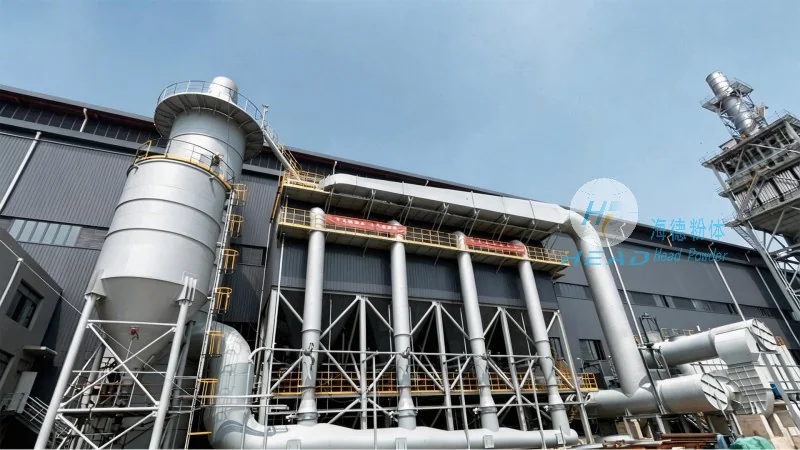
The core principle of pneumatic conveying is the creation of a low-pressure or high-pressure air stream within the pipeline that entrains phenolic powder particles. When compressed air is introduced into the material feed hopper, it generates a vacuum or pressure differential that draws the powder into the pipeline. The air stream then carries the powder particles through the conveying line, maintaining a consistent flow rate and preventing material segregation or caking. The receiving hopper at the end of the line captures the material as the air is released or filtered, completing the transport cycle.
Operation Process of the Phenolic Powder Pneumatic Conveying Line
The operation of the phenolic powder pneumatic conveying line follows a systematic sequence of steps to ensure smooth and continuous material handling. The process initiates with the loading of phenolic powder into the feed hopper, which is equipped with a level indicator to monitor material inventory. Once the hopper is filled, the air compressor or blower is activated, generating the necessary air pressure to initiate the conveying process. The control valves are then adjusted to regulate air flow and material discharge rate, ensuring optimal performance and preventing overloading or underloading of the system.
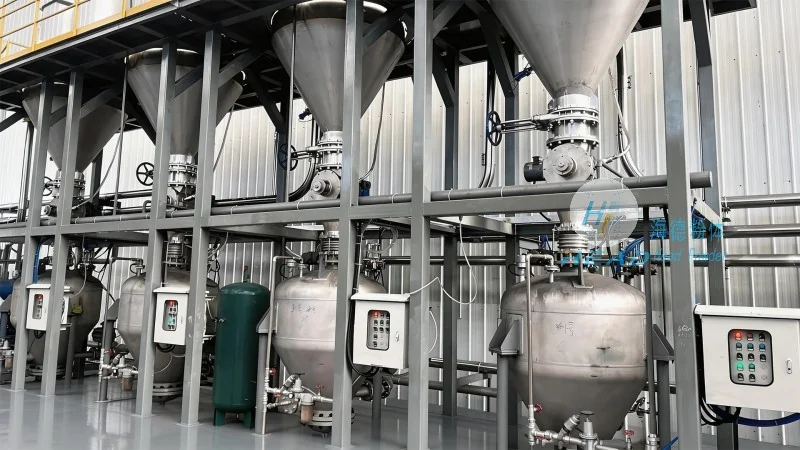
During operation, the system continuously monitors key parameters such as air pressure, flow rate, and material level to maintain stable performance. Any fluctuations in these parameters are automatically adjusted by the control system to maintain consistent material transport. The receiving hopper collects phenolic powder as it is conveyed, and the air is either vented to the atmosphere or filtered to remove residual powder particles, ensuring environmental compliance and product purity.
Technical Considerations for Efficient Phenolic Powder Conveying
Several technical factors must be considered to ensure the efficient and reliable operation of a phenolic powder pneumatic conveying line. These include the selection of appropriate air compressor or blower capacity, the design of the conveying pipeline with minimal bends and restrictions, and the use of suitable material handling equipment such as feeders and discharge units. Additionally, the system must be designed to handle the specific properties of phenolic powder, including its particle size, density, and flow characteristics, to prevent issues like blockages, abrasion, or material degradation.
Maintenance and Troubleshooting of the Pneumatic Conveying Line
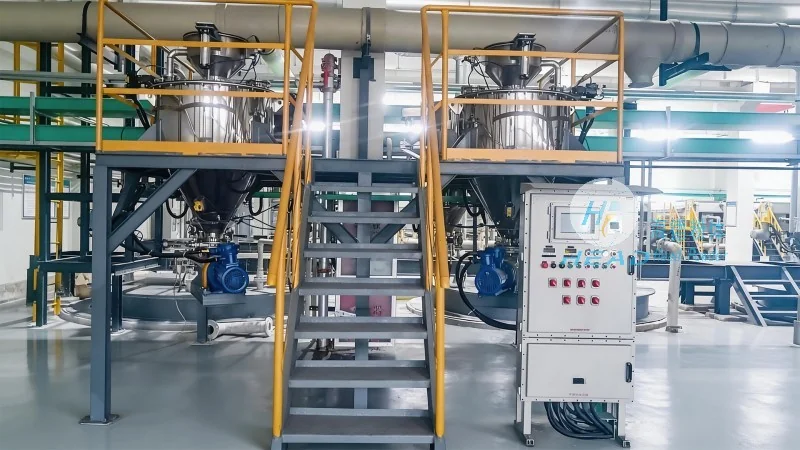
To ensure long-term reliability and performance of the phenolic powder pneumatic conveying line, regular maintenance and troubleshooting procedures are essential. Routine checks include inspecting the air compressor or blower for wear and tear, cleaning the conveying pipeline and filters to prevent clogging, and verifying the functionality of control valves and sensors. Common issues such as air leaks, material blockages, or pressure fluctuations can be identified and resolved through systematic troubleshooting, ensuring the system operates at peak efficiency.
Shandong HeadPowder Engineering Co., Ltd. provides comprehensive support for the maintenance and operation of phenolic powder pneumatic conveying lines, including technical guidance, spare parts supply, and on-site service. Their expertise in designing and implementing advanced material handling solutions ensures clients can achieve optimal performance and reliability in their phenolic powder processing operations.




