Understanding the operation process and working principle of polyolefin material pneumatic conveying lines is crucial for optimizing material handling efficiency in industrial applications. This article provides a detailed overview of the system's functionality, key components, and the step-by-step operation sequence, tailored to the specific needs of polyolefin processing industries.
Overview of Pneumatic Conveying Systems for Polyolefins
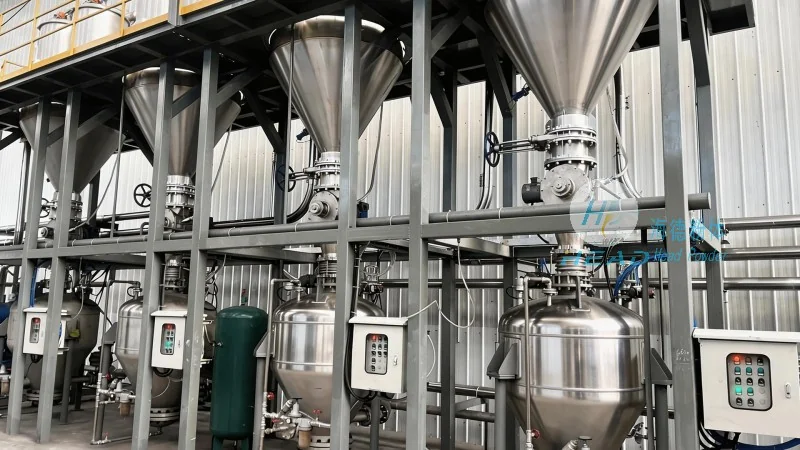
Polyolefin material pneumatic conveying lines are engineered to transport granular or powdered polyolefin products—such as polyethylene (PE), polypropylene (PP), and polyvinyl chloride (PVC)—through a sealed system using compressed air. The primary goal is to achieve efficient, dust-free, and low-maintenance material transfer from storage silos or processing units to production lines or packaging stations. These systems are widely adopted in the plastics manufacturing sector due to their ability to handle abrasive or hygroscopic materials while minimizing product contamination and environmental impact.
Key Components and Working Principle
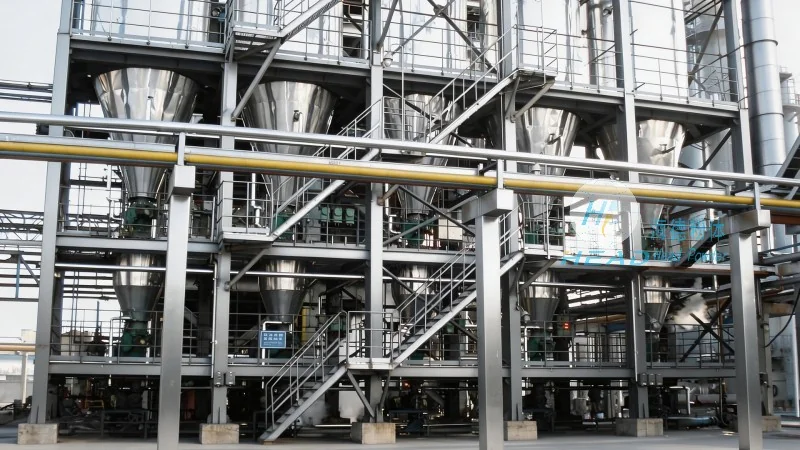
The core components of a polyolefin material pneumatic conveying line typically include a blower or air compressor, a material feed hopper, a conveying pipeline network, a separation and collection system, and a control unit. The working principle revolves around creating a pressure differential: compressed air is introduced into the pipeline, generating a flow that lifts and propels the polyolefin particles through the system. The air velocity is carefully controlled to ensure the material is transported without causing excessive wear on components or product degradation. The blower, often a centrifugal or positive displacement type, supplies the necessary air pressure and volume. The material feed hopper is equipped with a rotary valve or screw feeder to regulate the flow of polyolefin granules or powders into the pipeline. The conveying pipeline network is constructed from materials such as stainless steel or high-density polyethylene (HDPE) to withstand the abrasive nature of polyolefin particles and resist corrosion. The separation system, which may include a cyclone separator or bag filter, is designed to efficiently separate the polyolefin material from the air stream, minimizing product loss and ensuring clean air discharge.
Step-by-Step Operation Process
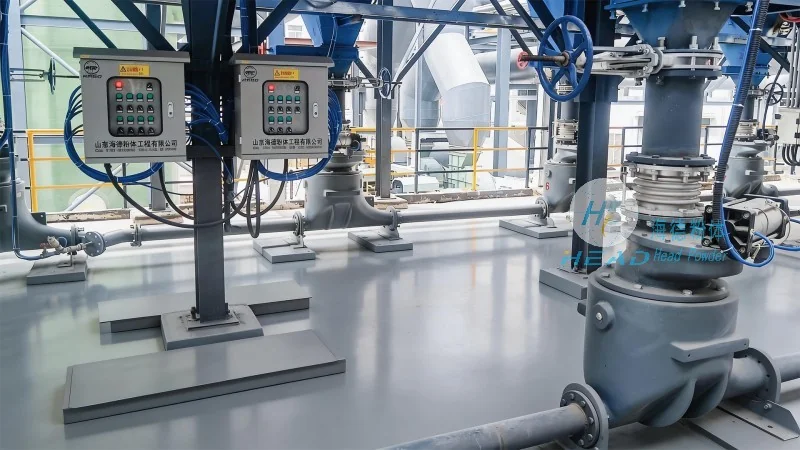
The operation of a polyolefin material pneumatic conveying line follows a systematic sequence to ensure safe and efficient material transfer. The process begins with system preparation, where the blower is started and the air pressure is adjusted to the required level. Next, the material feed hopper is filled with polyolefin granules or powders, and the rotary valve is activated to introduce the material into the pipeline. As the air flows, the polyolefin particles are carried through the conveying pipeline to the destination point, such as a storage silo or processing machine. At the receiving end, a separation system (e.g., a cyclone or bag filter) is used to separate the polyolefin material from the air stream. The material is then collected in a hopper or storage vessel, while the air is filtered and discharged to the atmosphere. The system is typically equipped with sensors and control mechanisms to monitor pressure, flow rate, and material level, ensuring real-time adjustments and preventing system failures. For example, pressure sensors detect any drops in air pressure, triggering the blower to increase output or the feeder to adjust material flow. Level sensors in the hopper and receiving vessel provide feedback to the control unit, allowing for automated operation and preventing overfilling or underfilling.
Advantages and Considerations for Polyolefin Pneumatic Conveying
Polyolefin material pneumatic conveying lines offer several advantages over traditional mechanical conveying methods, including reduced product contamination, lower maintenance costs, and the ability to handle materials with high moisture content or abrasive properties. However, the system design must be carefully optimized to match the specific characteristics of the polyolefin material, such as particle size, density, and flowability. Factors like air velocity, pipeline diameter, and system pressure must be precisely controlled to prevent material blockages or equipment damage. For instance, in dense-phase conveying, the air velocity is kept low to transport the material in a slurry-like state, which is ideal for heat-sensitive polyolefins like polypropylene. Conversely, dilute-phase systems use higher air velocities to suspend the material, suitable for non-abrasive powders. The choice of system type depends on the material's properties and the application requirements.
Customization and Application in Polyolefin Processing
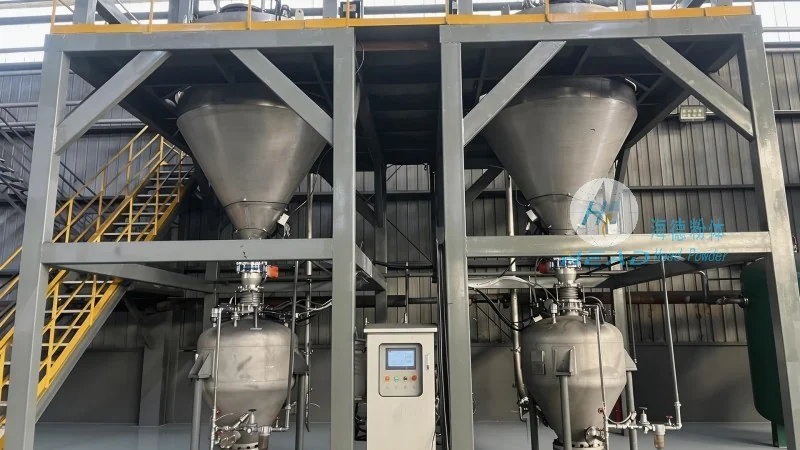
Shandong HeadPowder Engineering Co., Ltd. specializes in providing customized polyolefin pneumatic conveying solutions that address the unique challenges of each client's operation. The company's engineering team conducts thorough assessments of the material's characteristics, production volume, and process requirements to design a system that maximizes efficiency and minimizes downtime. For example, for a client processing high-volume polyethylene granules, the system may include a large-capacity blower and a wide-diameter pipeline to handle the high flow rate. For applications involving heat-sensitive polypropylene, the company may recommend a dense-phase system with temperature-controlled components to prevent material degradation. The company's headquarters is located in Shandong, China, where it leverages advanced technology and skilled engineering teams to deliver innovative solutions for material handling challenges in the polyolefin sector. By partnering with HeadPowder, manufacturers can enhance their production efficiency, reduce operational costs, and ensure the quality of their polyolefin products through reliable and efficient material transfer systems.




