This article provides a detailed overview of the operation process and working principle of a coke lumps material pneumatic conveying line. The system is designed to efficiently transport coke lumps, a crucial raw material in various industrial applications, from one location to another using air as the conveying medium. Understanding the operation process and working principle is essential for optimizing the performance and reliability of the system in industrial settings.
Company Information: Shandong HeadPowder Engineering Co., Ltd.
HeadPowder, a leading engineering company based in Shandong, China, specializes in the design, manufacturing, and installation of advanced material handling systems. With a strong focus on quality and innovation, HeadPowder has established itself as a trusted partner in the industry, providing comprehensive solutions for material transport and processing. The company's headquarters is located in Shandong, China, where it leverages its expertise to deliver high-performance pneumatic conveying systems tailored to the specific needs of clients.
Operation Process of the Coke Lumps Material Pneumatic Conveying Line
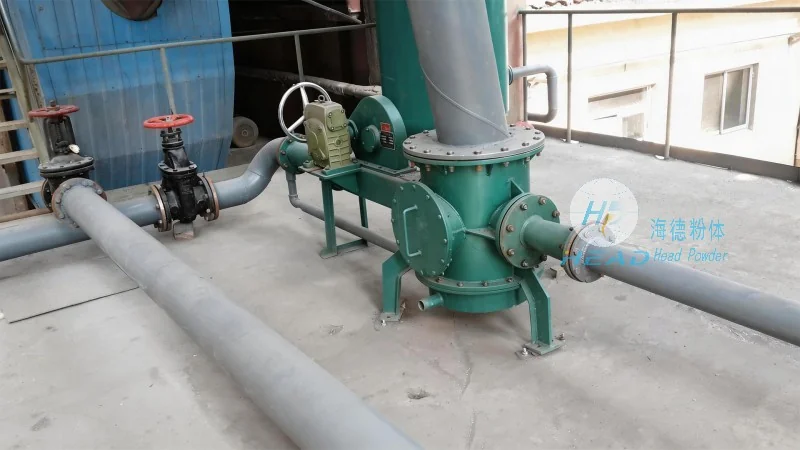
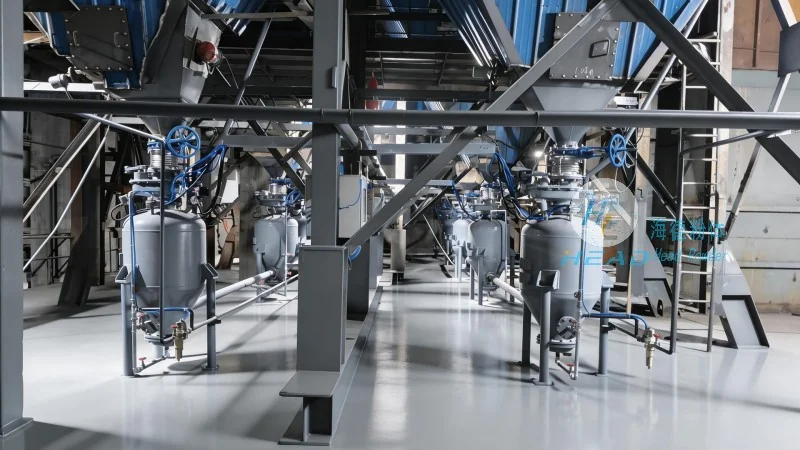
The operation process of a coke lumps material pneumatic conveying line involves several key steps that ensure the smooth and efficient transport of coke lumps. The process begins with the loading of coke lumps into the hopper or feeder, where the material is stored and prepared for transport. From the hopper, the coke lumps are fed into the conveying line through a series of valves and controls, which regulate the flow rate and pressure of the air. The air, typically compressed air or a combination of air and other gases, is introduced into the conveying line at a specific pressure, creating a flow that propels the coke lumps through the system. The conveying line consists of pipes, bends, and other components that guide the material and air mixture to the destination point. At the receiving end, the coke lumps are separated from the air using a separator or filter, and the material is discharged into a storage bin or processing unit. The entire operation process is controlled by a sophisticated control system that monitors and adjusts the flow rate, pressure, and other parameters to maintain optimal performance and prevent system failures.
Working Principle of the Coke Lumps Material Pneumatic Conveying Line
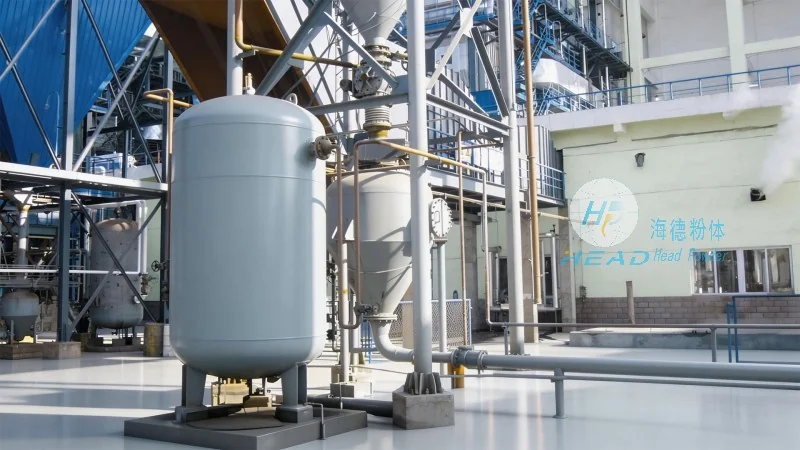
The working principle of a coke lumps material pneumatic conveying line is based on the principle of fluidization and pneumatic transport. The system uses air as the conveying medium, which is introduced into the conveying line at a high velocity, creating a flow that lifts and transports the coke lumps. The air velocity is carefully controlled to ensure that the coke lumps are suspended in the air stream without being damaged or broken. The conveying line is designed with appropriate dimensions and angles to minimize friction and pressure losses, ensuring efficient transport over long distances. The separator at the receiving end uses a combination of gravity and air flow to separate the coke lumps from the air, allowing the material to be collected while the air is recirculated or discharged. The control system plays a critical role in maintaining the balance between the air flow and the material flow, ensuring that the system operates within safe and efficient parameters. The working principle of the system is designed to be robust and reliable, capable of handling various types of coke lumps and operating under different industrial conditions.
Key Components and Their Roles in the System
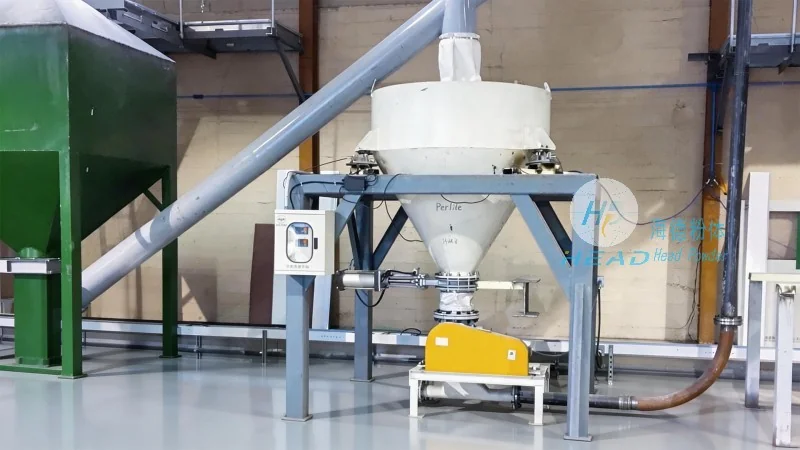
The coke lumps material pneumatic conveying line consists of several key components, each playing a crucial role in the overall operation. The hopper or feeder is responsible for storing and feeding the coke lumps into the system, ensuring a consistent flow rate. The air compressor or blower provides the necessary air pressure and flow rate to propel the material through the conveying line. The conveying pipes and bends are designed to guide the material and air mixture, with appropriate diameters and angles to minimize pressure losses. The separator or filter at the receiving end separates the coke lumps from the air, preventing contamination and ensuring the material is clean and free of debris. The control system monitors and adjusts the various parameters of the system, such as flow rate, pressure, and air temperature, to maintain optimal performance. Each component is carefully selected and designed to work together in harmony, ensuring the efficient and reliable operation of the entire system.




