For industries dealing with rare earth mineral powders, efficient and reliable material handling is crucial. The pneumatic conveying line is a sophisticated system designed to transport these fine powders over long distances or between different processing stages. This article delves into the operation process and working principle of such a system, highlighting its benefits and the key elements that make it effective.
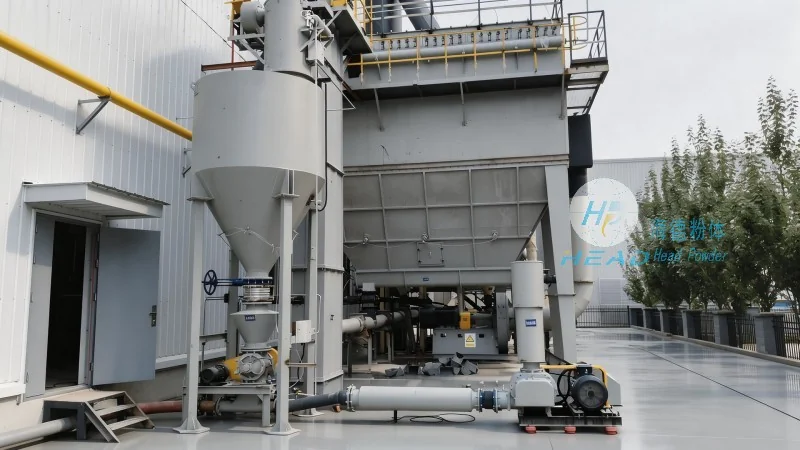
Working Principle of Rare Earth Mineral Powder Pneumatic Conveying Lines
The core of a pneumatic conveying system lies in its ability to use compressed air to move solid particles. In the case of rare earth mineral powders, the system typically operates under positive pressure, where air is forced through a pipeline to carry the powder. The process involves several key steps: first, the material is fed into a hopper or feeder, which ensures a consistent flow. Then, a high-pressure air source (such as a blower or compressor) generates the air stream that propels the powder particles. The air and powder mixture travels through the pipeline, with the velocity of the air being sufficient to overcome the gravitational and frictional forces acting on the particles. At the destination point, the air is separated from the powder, often through a cyclone separator or a filter, allowing the powder to be discharged while the air is recirculated or vented.
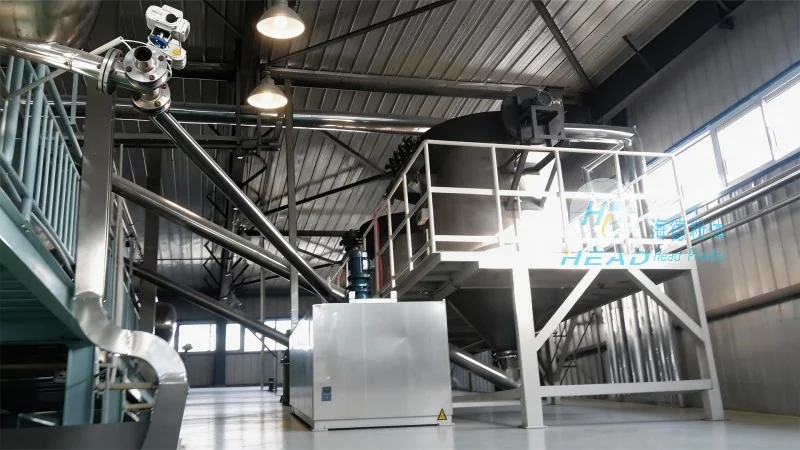
Operation Process of the Pneumatic Conveying Line
The operation of a rare earth mineral powder pneumatic conveying line follows a systematic sequence to ensure smooth and continuous material transport. The process begins with the feeding stage, where the raw rare earth mineral powder is introduced into the system. This is usually done using a rotary valve or a screw feeder, which controls the flow rate to match the conveying requirements. Next, the conveying stage starts as the compressed air is activated, creating a high-velocity air stream that picks up the powder particles. The air-powder mixture moves through the pipeline network, which may include straight sections, bends, and expansion or contraction zones. The design of the pipeline is critical to maintain the air velocity above the minimum required to prevent particle settling. Upon reaching the discharge point, the separation stage occurs, where the air and powder are separated. This is typically achieved using a cyclone separator, which uses centrifugal force to separate the heavier powder from the lighter air. The separated powder is then collected in a storage bin or directly fed to the next processing unit. The air, now clean or partially cleaned, is either recirculated back to the blower or vented to the atmosphere, depending on the system design.
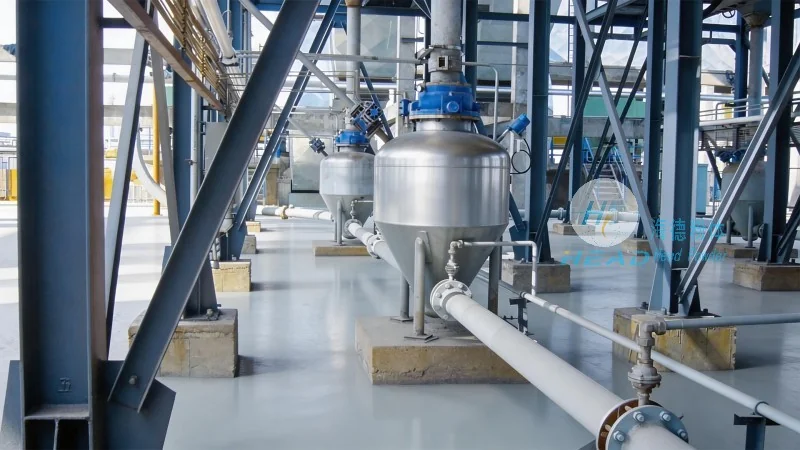
Key Components and Their Functions in the System
Several components work in tandem to ensure the efficient operation of a rare earth mineral powder pneumatic conveying line. The primary components include: 1. Air Source Unit: This is the heart of the system, providing the compressed air needed to move the powder. It can be a rotary lobe blower or a centrifugal compressor, chosen based on the system's capacity and pressure requirements. 2. Feeder and Hopper: The feeder controls the flow of the powder into the system, while the hopper stores the raw material, ensuring a consistent supply. 3. Pipeline System: The pipeline, usually made of stainless steel or other corrosion-resistant materials, carries the air-powder mixture. Its design, including the diameter and length, affects the system's performance. 4. Separation Equipment: Cyclone separators or bag filters are used to separate the powder from the air at the discharge point. 5. Control System: Sensors and control valves monitor the pressure, flow rate, and temperature, ensuring the system operates within safe and efficient parameters. Each component plays a vital role in maintaining the system's reliability and performance, especially when handling fine and abrasive rare earth powders.
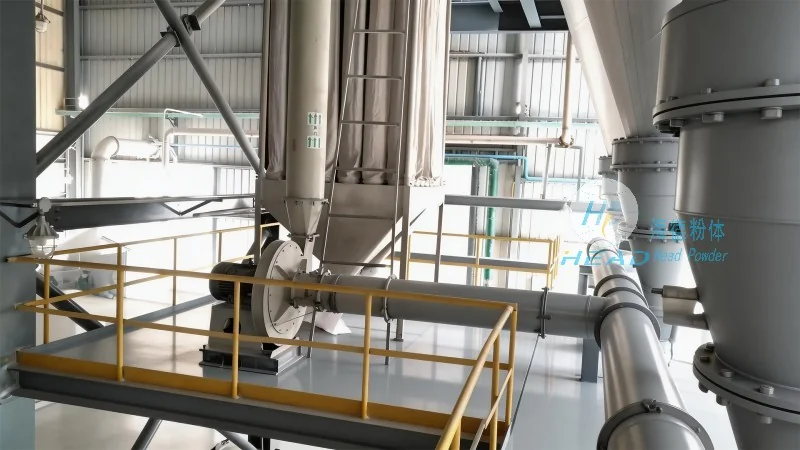
Company Profile: Shandong HeadPowder Engineering Co., Ltd.
As a leading provider of material handling solutions, Shandong HeadPowder Engineering Co., Ltd. specializes in designing and manufacturing pneumatic conveying systems tailored to the needs of the rare earth industry. With a focus on innovation and quality, the company has established itself as a trusted partner for businesses requiring efficient and reliable transport of mineral powders. HeadPowder's expertise lies in customizing systems to handle various types of rare earth minerals, ensuring optimal performance and minimal downtime. The company is headquartered in Shandong, China, and serves clients globally with its advanced engineering solutions and commitment to customer satisfaction.




