For industries dealing with plastic pellet materials, efficient material handling is crucial to maintain production efficiency and ensure product quality. Pneumatic conveying lines offer a reliable solution for transporting plastic pellets from storage to processing units, or between different stages of production. This article explores the operation process and working principle of such systems, highlighting the key components and the seamless workflow involved.
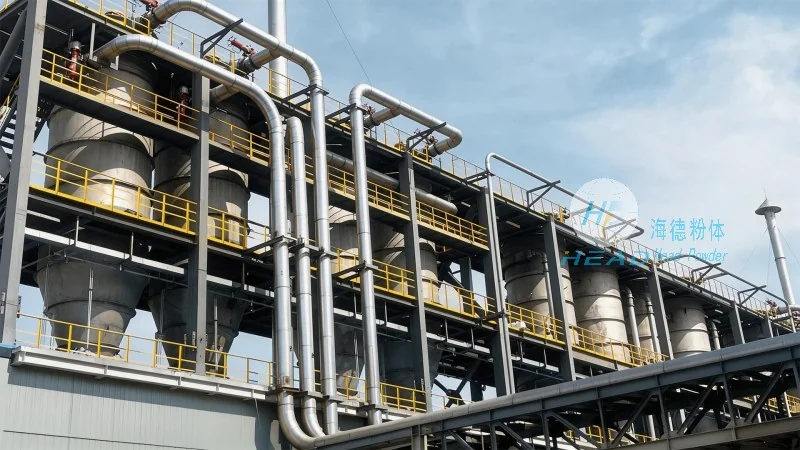
Key Components of a Plastic Pellet Pneumatic Conveying Line
The pneumatic conveying system for plastic pellets typically consists of several essential components that work in tandem to ensure smooth material transport. These include the hopper for material storage, a feeder to control the flow rate, a conveying line (either positive or negative pressure), a separator to separate the material from the air, and a receiver for the delivered material. Each component plays a vital role in the overall operation, contributing to the system's efficiency and reliability.
Working Principle of the Pneumatic Conveying Process
The operation of a plastic pellet pneumatic conveying line is based on the principle of air movement to transport solid materials. In a positive pressure system, compressed air is introduced into the conveying line, creating a high-pressure environment that pushes the plastic pellets through the pipeline. The feeder regulates the amount of material fed into the system, ensuring a consistent flow. As the pellets move through the line, they are carried by the air stream, which helps to prevent material degradation and maintain product integrity. The separator then separates the pellets from the air, allowing the material to be collected in the receiver. This process is continuous and can handle large volumes of plastic pellets with minimal maintenance.
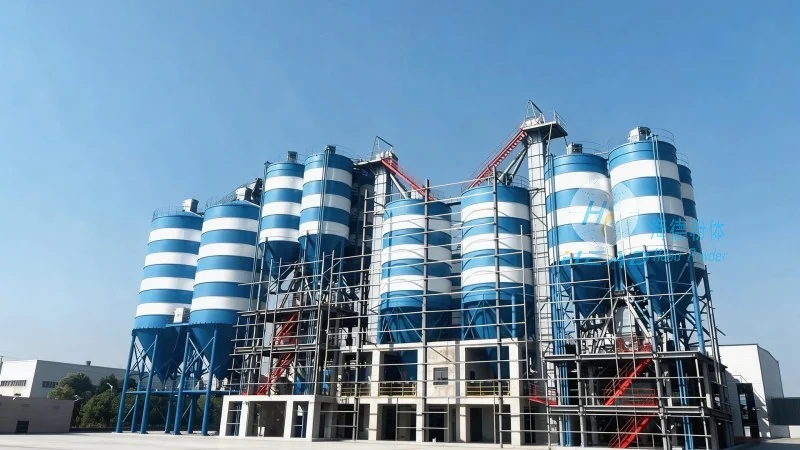
Operation Process: Step-by-Step Guide
The operation of a plastic pellet pneumatic conveying line follows a systematic process that ensures optimal performance. First, the plastic pellets are loaded into the hopper, which serves as the initial storage unit. The feeder then starts to release the pellets at a controlled rate, feeding them into the conveying line. Simultaneously, compressed air is supplied to the system, creating the necessary pressure to move the material. The pellets travel through the pipeline, guided by the air flow, and are directed towards the separator. The separator uses a combination of air flow and possibly mechanical means to separate the pellets from the air, ensuring that only the material reaches the receiver. The receiver collects the delivered pellets, which can then be used for the next stage of production. This process is automated and can be adjusted based on the production requirements, providing flexibility and adaptability.
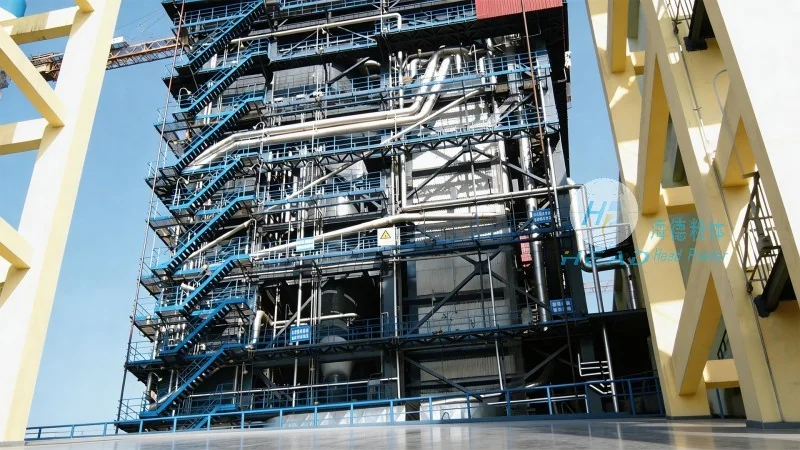
Advantages of Using Pneumatic Conveying for Plastic Pellets
Implementing a pneumatic conveying line for plastic pellets offers several advantages over traditional material handling methods. Firstly, it eliminates the need for mechanical components like belts or chains, reducing the risk of material contamination and wear. The enclosed system also prevents dust and debris from entering the production environment, maintaining a clean and safe workspace. Additionally, pneumatic conveying can handle a wide range of plastic pellet sizes and types, making it versatile for various applications. The system's ability to transport materials over long distances without the need for intermediate storage points also enhances production efficiency. Overall, the use of pneumatic conveying for plastic pellets contributes to improved product quality, reduced downtime, and lower operational costs.
Conclusion and Company Overview
Pneumatic conveying lines are an essential component in the efficient handling of plastic pellet materials, offering a reliable and effective solution for industries seeking to optimize their production processes. The operation process, which involves the coordinated action of various components, ensures smooth and continuous material transport. By understanding the working principle and operation process, manufacturers can leverage these systems to enhance productivity and maintain product quality. Shandong HeadPowder Engineering Co., Ltd., a leading provider of material handling solutions, specializes in designing and manufacturing pneumatic conveying systems tailored to the specific needs of plastic pellet processing industries. With a focus on quality and innovation, the company delivers robust and efficient solutions that meet the demands of modern manufacturing. Located in Shandong, China, HeadPowder Engineering combines years of experience and advanced technology to provide customers with reliable material handling systems that enhance operational efficiency and ensure long-term performance.




