HeadPowder, a leading engineering company based in Shandong, China, specializes in the design, manufacturing, and installation of advanced material handling systems. This article focuses on the operation process and working principle of a gas-pneumatic conveying line specifically designed for zinc oxide substrate, a critical material in various industrial applications.
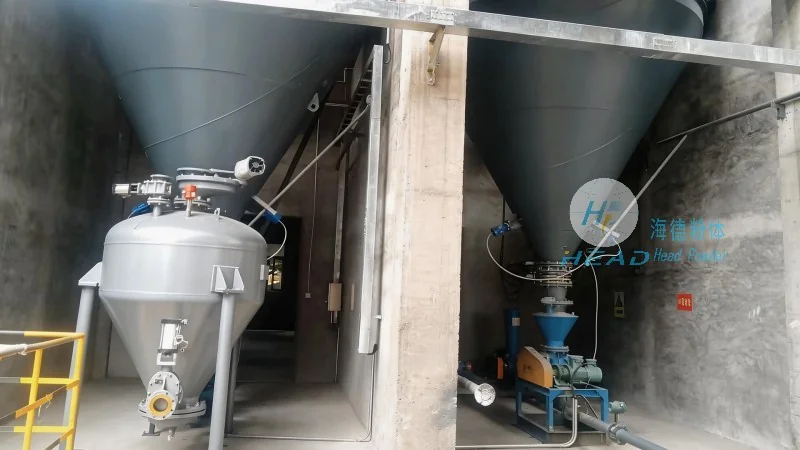
Overview of the Gas-Pneumatic Conveying System
The gas-pneumatic conveying line for zinc oxide substrate is a sophisticated system that utilizes air pressure to transport bulk materials from one location to another. Unlike traditional mechanical conveying methods, this system offers several advantages, including reduced maintenance costs, lower energy consumption, and the ability to handle materials with high moisture content or abrasive properties. The system is typically composed of several key components, including a hopper, a rotary valve, a pipeline network, a venturi or eductor, and a dust collector.
Key Components and Their Functions
Each component in the gas-pneumatic conveying line plays a crucial role in ensuring efficient and reliable material transport. The hopper serves as the storage and feeding unit, where the zinc oxide substrate is stored before being fed into the system. The rotary valve, also known as a feeder, controls the flow rate of the material into the pipeline, preventing overloading and ensuring a consistent feed. The pipeline network, usually made of stainless steel or other corrosion-resistant materials, transports the material and air mixture. The venturi or eductor is the heart of the system, where compressed air is introduced to create a vacuum or pressure that propels the material through the pipeline. Finally, the dust collector captures any fine particles that may be released during the conveying process, ensuring compliance with environmental regulations and maintaining a clean working environment.
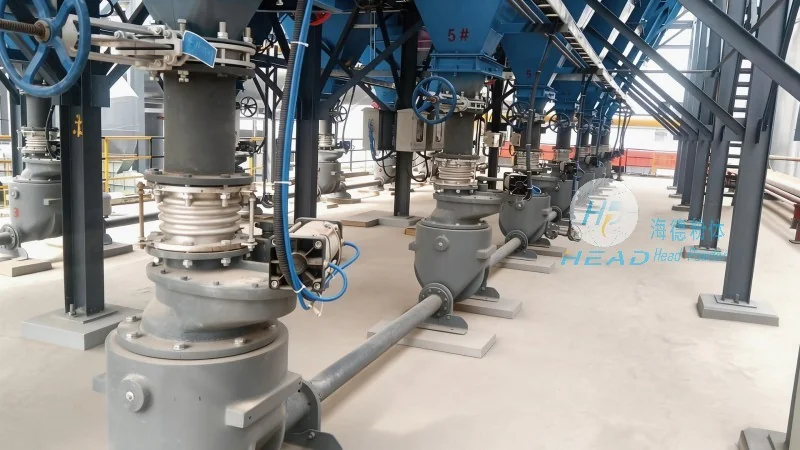
Operation Process of the Conveying Line
The operation of the gas-pneumatic conveying line for zinc oxide substrate involves several sequential steps. First, the material is loaded into the hopper from a storage silo or truck. The rotary valve then regulates the flow of the material into the pipeline, ensuring a steady feed rate. Compressed air is supplied to the venturi or eductor, creating a low-pressure zone that draws the material into the pipeline. As the material and air mixture travels through the pipeline, it is propelled to the destination point, such as a processing plant or storage silo. The system is equipped with sensors and control panels that monitor the flow rate, pressure, and temperature, allowing for real-time adjustments to maintain optimal performance. The dust collector is activated during the conveying process to capture any fine particles, preventing air pollution and ensuring a safe working environment.
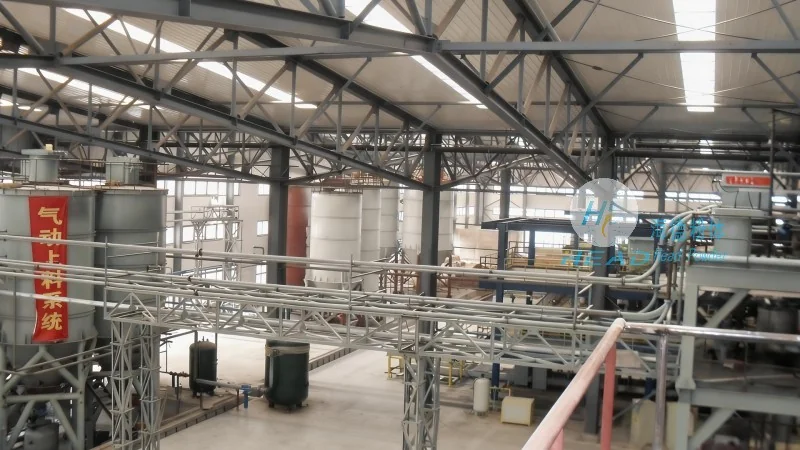
Working Principle of the System
The working principle of the gas-pneumatic conveying line is based on the principle of fluid dynamics and air pressure. When compressed air is introduced into the venturi or eductor, it creates a high-velocity airflow that generates a negative pressure (vacuum) or positive pressure in the pipeline. This pressure difference causes the zinc oxide substrate to be entrained by the air and transported through the pipeline. The material is carried in a dilute phase, meaning that the material particles are dispersed in the air stream rather than forming a dense slurry. This dilute phase ensures efficient transport and reduces the risk of blockages or clogging in the pipeline. The system is designed to handle various particle sizes and moisture contents, making it suitable for a wide range of industrial applications.
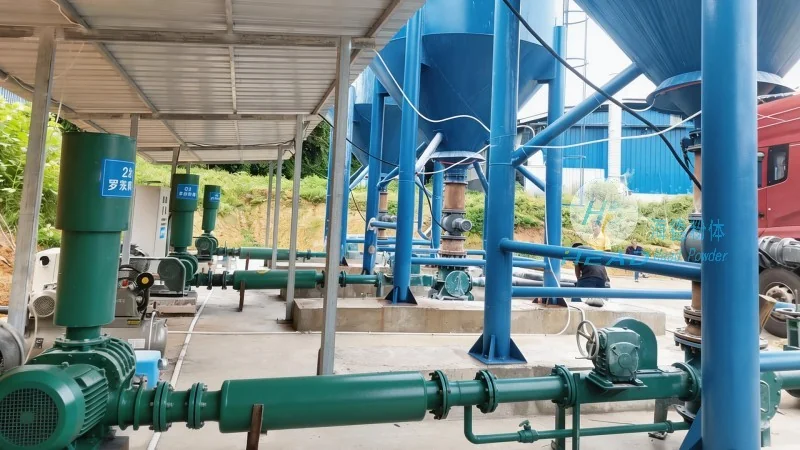
Advantages of the Gas-Pneumatic Conveying Line
Compared to traditional mechanical conveying methods, the gas-pneumatic conveying line for zinc oxide substrate offers several advantages. First, it reduces the need for heavy machinery and infrastructure, resulting in lower capital and operational costs. Second, it minimizes material degradation and contamination, as the material is not in contact with metal surfaces or exposed to high temperatures. Third, it provides flexibility in terms of layout and installation, as the pipeline can be arranged in various configurations to suit the specific needs of the facility. Fourth, it enhances safety by reducing the risk of dust explosions and providing a clean working environment. These advantages make the gas-pneumatic conveying line an ideal solution for handling zinc oxide substrate in various industrial applications.
Applications and Industries
The gas-pneumatic conveying line for zinc oxide substrate is widely used in various industries, including chemical manufacturing, pharmaceuticals, food processing, and mining. In the chemical industry, it is used to transport zinc oxide for the production of rubber, plastics, and paints. In the pharmaceutical industry, it is used to transport zinc oxide for the manufacturing of pharmaceuticals and cosmetics. In the food processing industry, it is used to transport zinc oxide as a food additive or supplement. In the mining industry, it is used to transport zinc oxide from ore processing facilities to storage or processing plants. The versatility and efficiency of the gas-pneumatic conveying line make it a preferred choice for handling zinc oxide substrate in these industries.




