Shandong HeadPowder Engineering Co., Ltd., based in Shandong, China, specializes in the design and implementation of advanced pneumatic conveying systems for desulfurization gypsum material. The company's expertise lies in providing efficient and reliable solutions for transporting gypsum, a byproduct of flue gas desulfurization processes in power plants and industrial facilities. This article explores the operation process and working principle of a typical desulfurization gypsum pneumatic conveying line, highlighting key components, operational steps, and the technological advantages of such systems.
Overview of Desulfurization Gypsum Pneumatic Conveying Systems
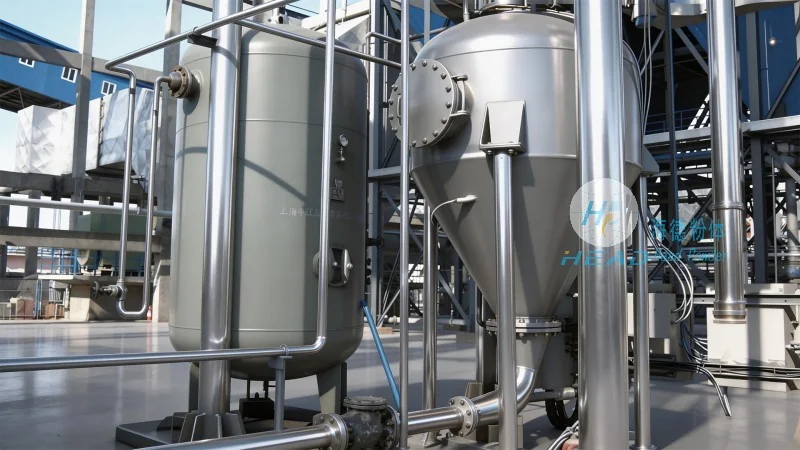
Desulfurization gypsum, also known as FGD gypsum, is a fine powder generated during the removal of sulfur dioxide from flue gases. Due to its high moisture content and fine particle size, traditional conveying methods like belt conveyors or bucket elevators may face challenges such as material caking, blockages, and increased maintenance. Pneumatic conveying offers a superior alternative by utilizing air pressure to transport the gypsum through a network of pipes, ensuring a continuous, dust-free, and efficient flow. The system typically consists of several core components, including a feed hopper, air compressor, conveying pipeline, dust separator, and discharge unit. Each component plays a critical role in the overall operation of the line.
Key Components and Their Functions
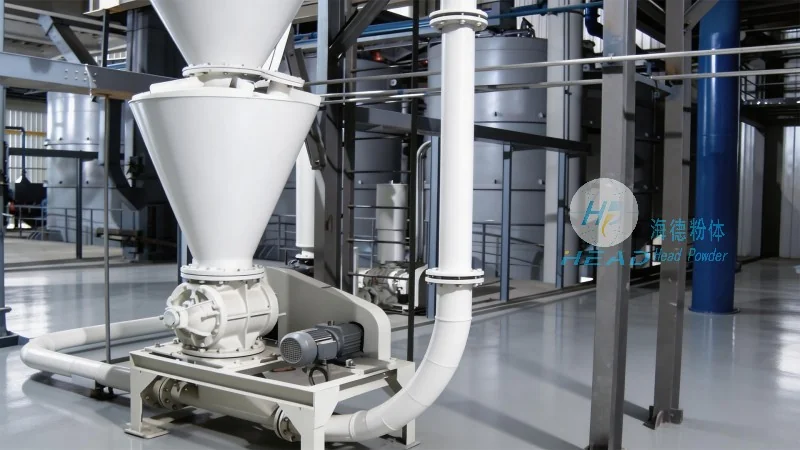
The pneumatic conveying line for desulfurization gypsum is engineered with precision to handle the specific characteristics of the material. The feed hopper is designed to store and meter the gypsum into the system, ensuring a consistent flow rate. It may include a rotary valve or a screw feeder to control the discharge of the material. The air compressor, often a positive displacement type, generates the necessary pressure to move the gypsum through the pipeline. The conveying pipeline is constructed from corrosion-resistant materials, such as stainless steel or special plastic, to withstand the acidic and moisture-rich environment of the gypsum. The pipeline layout may vary depending on the plant layout, with horizontal, vertical, or inclined sections to accommodate the material's movement. The dust separator, usually a cyclone or a bag filter, separates the gypsum particles from the air stream, ensuring that the discharged material is clean and free from dust. Finally, the discharge unit, such as a rotary valve or a screw conveyor, delivers the gypsum to its final destination, such as a storage silo or a processing unit.
Working Principle of the Pneumatic Conveying Process
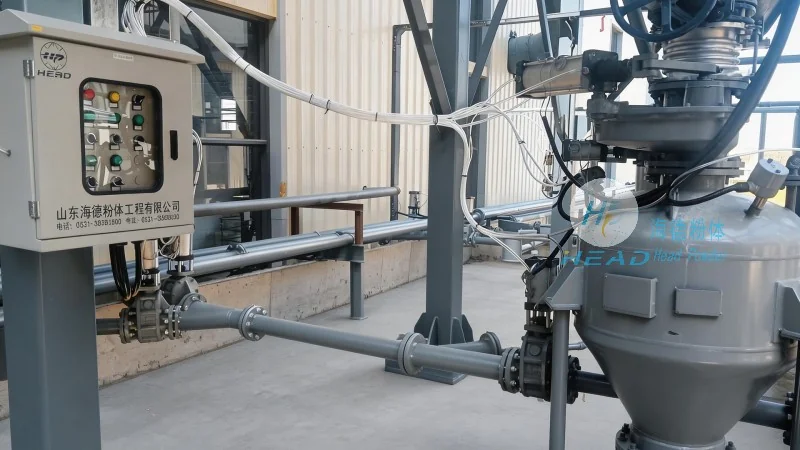
The operation of the desulfurization gypsum pneumatic conveying line follows a systematic process. Initially, the gypsum is fed from the storage silo into the feed hopper. The rotary valve or screw feeder then meters the material into the conveying pipeline. Simultaneously, the air compressor generates high-pressure air, which is introduced into the pipeline at the inlet of the feed hopper. The air and gypsum mixture travels through the pipeline, with the air providing the necessary kinetic energy to move the material. As the mixture moves, the air velocity and pressure maintain the material in a suspended state, preventing blockages and ensuring smooth flow. The conveying process can be either positive pressure or negative pressure, depending on the system design. In positive pressure systems, air is forced through the pipeline, while in negative pressure systems, air is drawn out of the pipeline. The choice of system depends on factors such as the distance to be covered, the material characteristics, and the plant layout. The dust separator at the end of the pipeline captures the gypsum particles from the air stream, allowing the clean air to be discharged or recirculated. The separated gypsum is then discharged into the storage or processing unit, completing the cycle.
Operation Process and Control System
The operation of the pneumatic conveying line is managed by an integrated control system that monitors and regulates the flow of material and air. The control system typically includes sensors for pressure, flow rate, and temperature, which provide real-time data to the control panel. Operators can adjust the feed rate, air pressure, and pipeline speed through the control panel to optimize the conveying process. The system is equipped with safety features, such as pressure relief valves and emergency shutdown switches, to prevent over-pressurization and ensure safe operation. The control system may also include automation features, such as programmable logic controllers (PLCs), to enhance efficiency and reduce human intervention. This automation allows for consistent and reliable operation, minimizing downtime and maintenance requirements.
Advantages and Applications
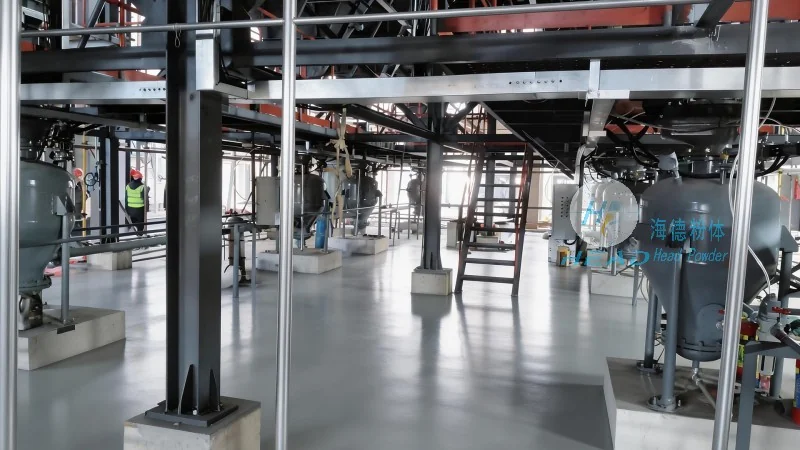
The desulfurization gypsum pneumatic conveying line offers several advantages over traditional conveying methods. Firstly, it provides a dust-free and hygienic environment, which is crucial for industrial applications where dust control is essential. Secondly, the system is highly efficient, with minimal material loss and low energy consumption compared to other methods. Thirdly, it is flexible and can be easily adapted to different plant layouts and material flow requirements. The system is widely used in power plants, cement factories, and other industrial facilities that generate desulfurization gypsum. It enables the efficient transport of the gypsum from the desulfurization unit to the storage or processing area, contributing to the overall productivity and sustainability of the facility.
Conclusion
Shandong HeadPowder Engineering Co., Ltd. provides comprehensive solutions for desulfurization gypsum pneumatic conveying lines, combining advanced technology with expert engineering. The operation process and working principle of such systems are designed to ensure efficient, reliable, and safe transport of desulfurization gypsum. By leveraging the expertise of HeadPowder, industrial facilities can enhance their material handling capabilities, reduce operational costs, and improve overall plant performance. The pneumatic conveying line represents a modern and effective solution for handling desulfurization gypsum, aligning with the industry's need for sustainable and efficient material transport systems.




