HeadPowder, a leading engineering company based in Shandong, China, specializes in the design, manufacturing, and installation of advanced pneumatic conveying systems tailored for alumina particle materials. This article provides a detailed overview of the operation process and working principles of such systems, highlighting the key components, operational flow, and technical advantages that ensure efficient and reliable material handling.
Working Principle of Alumina Particle Pneumatic Conveying Lines
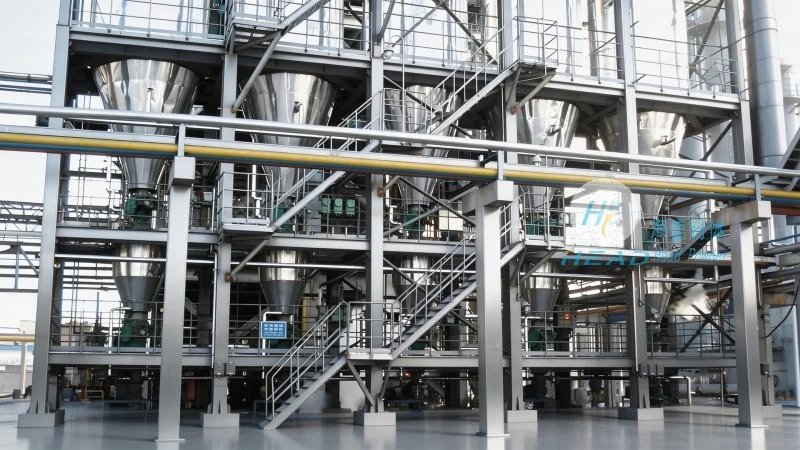
The core of an alumina particle pneumatic conveying line is the air-driven mechanism that transports solid particles through a pipeline using pressurized or suction air. The system typically consists of a material feeder, a conveying pipeline, a control valve, and a receiver. The process begins with the material being fed into the system, where it is then entrained by high-velocity air. The air and particles form a dense mixture, which is then transported through the pipeline to the destination point. The control valve regulates the flow rate and pressure, ensuring stable operation and preventing blockages or over-pressurization.
Key Components and Their Functions
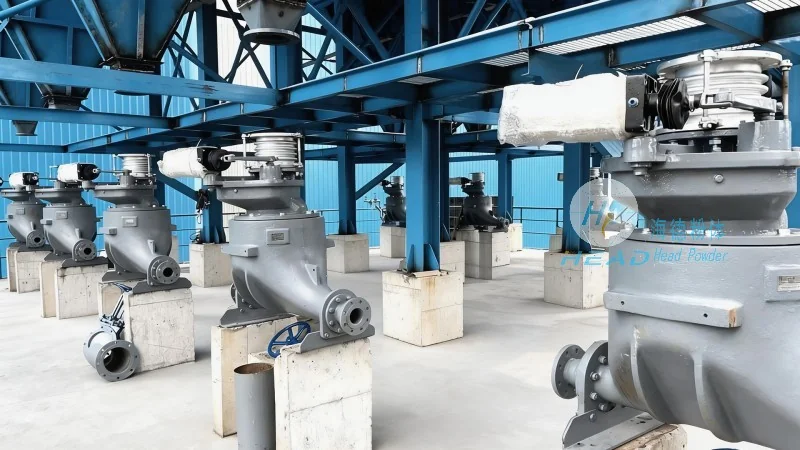
Each component of the alumina particle pneumatic conveying line plays a critical role in ensuring efficient operation. The material feeder, often a rotary valve or a screw feeder, regulates the flow of alumina particles into the system, preventing overloading and maintaining a consistent feed rate. The conveying pipeline, typically made of stainless steel or other corrosion-resistant materials, is designed to withstand the pressure and abrasion caused by the alumina particles. The control valve, such as a butterfly valve or a gate valve, adjusts the air pressure and flow rate, allowing for precise control over the conveying process. The receiver, a hopper or a storage tank, collects the transported alumina particles, ensuring they are safely stored and ready for further processing. The air compressor, either a positive displacement or a centrifugal type, generates the necessary airflow, providing the energy to move the particles through the pipeline.
Detailed Operation Flow
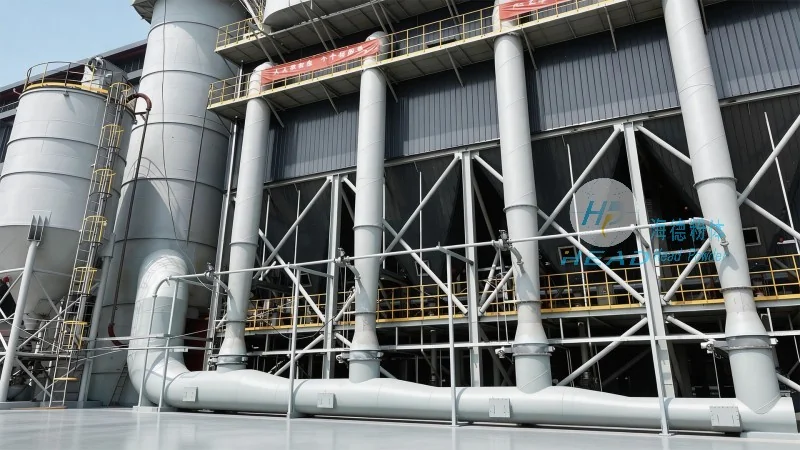
The operation of the alumina particle pneumatic conveying line begins with the loading of the material into the feeder. The feeder then feeds the material into the conveying line at a controlled rate, ensuring a steady supply of particles. The air compressor then starts, generating the required pressure or vacuum. The air and particles are mixed in the feeder or an eductor, forming a dense mixture. This mixture travels through the pipeline to the receiving end. At the receiving end, a cyclone separator or a filter separates the particles from the air. The separated particles are collected in the receiver, while the air is either recycled back to the compressor or vented to the atmosphere. The control system continuously monitors the pressure, flow rate, and temperature, adjusting the operation to maintain optimal performance. Any deviations are detected and corrected in real-time, ensuring the system operates efficiently and reliably.
Technical Advantages and Applications
The alumina particle pneumatic conveying line offers several technical advantages, including high efficiency, low maintenance, and the ability to transport materials over long distances without the need for intermediate storage or handling. The system is also suitable for handling abrasive materials like alumina, as the pipeline and components are designed to withstand the wear and tear caused by the particles. HeadPowder's systems are widely used in various industries, including aluminum production, chemical processing, and pharmaceutical manufacturing, where the reliable and efficient transport of alumina particles is critical to the overall production process.
Conclusion
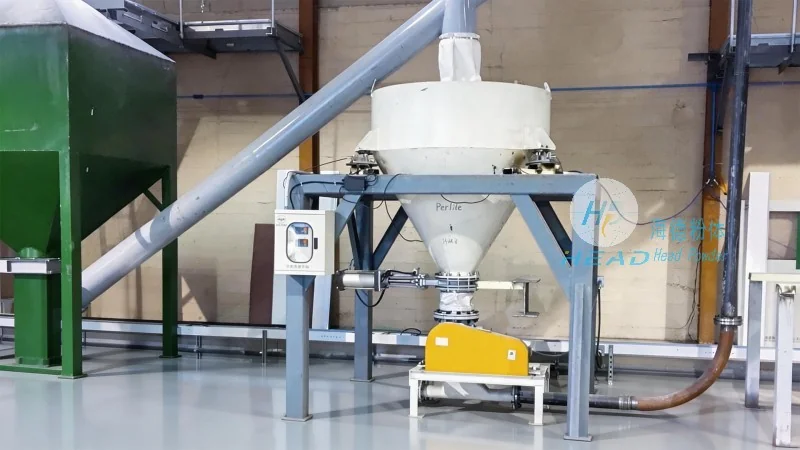
In conclusion, the operation process and working principle of an alumina particle material pneumatic conveying line are complex but well-defined systems that rely on the coordinated operation of various components. By understanding the key components and the operational flow, users can ensure the efficient and reliable transport of alumina particles, leading to improved productivity and reduced operational costs. HeadPowder, with its expertise in engineering and manufacturing, provides high-quality pneumatic conveying systems that meet the specific needs of its clients, ensuring optimal performance and long-term reliability.




