Low-pressure continuous pneumatic conveying systems represent a sophisticated and efficient method for transporting bulk materials over relatively short to medium distances. These systems are widely used in various industries, including food processing, pharmaceuticals, chemicals, and manufacturing, due to their ability to handle a diverse range of materials while maintaining product integrity and operational efficiency. Understanding the fundamental concepts and design principles behind such systems is crucial for engineers and industry professionals seeking to implement or optimize these technologies.
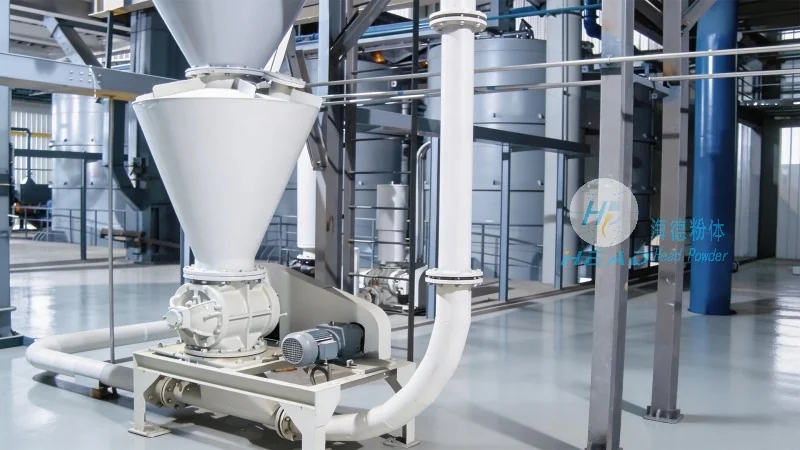
Overview of Low-Pressure Continuous Pneumatic Conveying Systems
A low-pressure continuous pneumatic conveying system operates by using a moderate air pressure (typically ranging from 0.5 to 2 bar) to transport bulk materials through a pipeline network. Unlike high-pressure systems that rely on high velocity air to move material, low-pressure systems utilize a steady, continuous flow of air to maintain material movement. This approach ensures a more stable and controlled conveying process, reducing the risk of material degradation and equipment wear.
Key Components of a Low-Pressure Continuous Pneumatic Conveying System
The core components of a low-pressure continuous system include the following:
1. Air Supply Unit: This component generates and regulates the air pressure required for conveying. It typically consists of a blower or fan, a filter to remove contaminants from the air, and a pressure regulator to maintain consistent pressure levels. The air supply unit is responsible for providing the necessary airflow to move the material through the system.
2. Material Feeder: The feeder is designed to introduce the bulk material into the conveying line at a controlled rate. Common types include screw feeders, rotary valves, and vibratory feeders. The feeder ensures a uniform flow of material, preventing blockages and maintaining system stability.
3. Conveying Pipeline: The pipeline is the main pathway for transporting the material and air. It is usually made of materials such as stainless steel, PVC, or polyethylene, depending on the material being conveyed and the operating conditions. The pipeline is designed to withstand the pressure and temperature of the conveying process while minimizing friction losses.
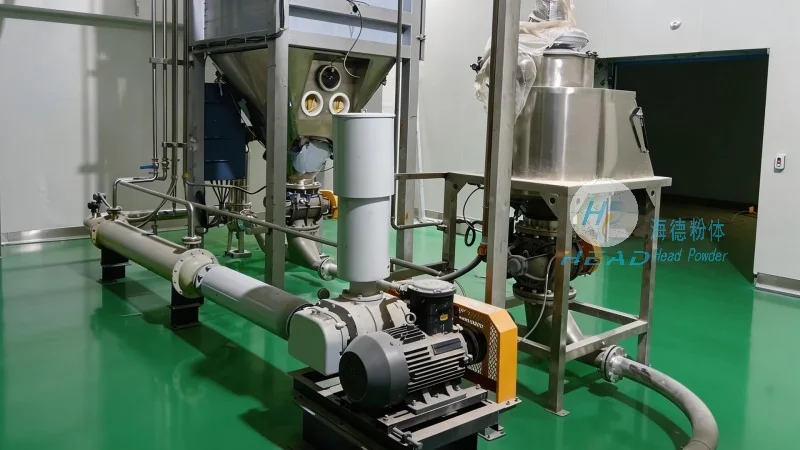
4. Control Valves and Branching: These components are used to direct the flow of material and air within the system. Control valves allow for adjustments to the flow rate and pressure, while branching points enable the system to distribute material to multiple destinations or return lines.
5. Receiver or Discharge Point: The final component where the material is deposited after being conveyed. This may include a hopper, silo, or other storage vessel, depending on the application. The receiver is designed to handle the material efficiently and prevent spillage or contamination.
Design Principles for Low-Pressure Continuous Pneumatic Conveying Systems
The design of a low-pressure continuous system involves several critical principles to ensure optimal performance and reliability. These principles include:
1. Material Characteristics Consideration: The design must account for the physical and chemical properties of the material being conveyed. Factors such as particle size, density, moisture content, and flowability are crucial. For example, cohesive or sticky materials may require special feeding mechanisms or additional air to prevent blockages. The system design should also consider the potential for material degradation, such as heat generation or oxidation, and incorporate appropriate measures to mitigate these effects.
2. Air Velocity and Pressure Optimization: The air velocity within the pipeline is a key parameter that affects the conveying efficiency. The design must ensure that the air velocity is sufficient to lift and transport the material but not excessively high, which could lead to increased energy consumption and equipment wear. The pressure is typically maintained at a moderate level to balance conveying capacity and operational costs. Engineers often use empirical formulas or computational fluid dynamics (CFD) simulations to determine the optimal air velocity and pressure for a given material and system configuration.
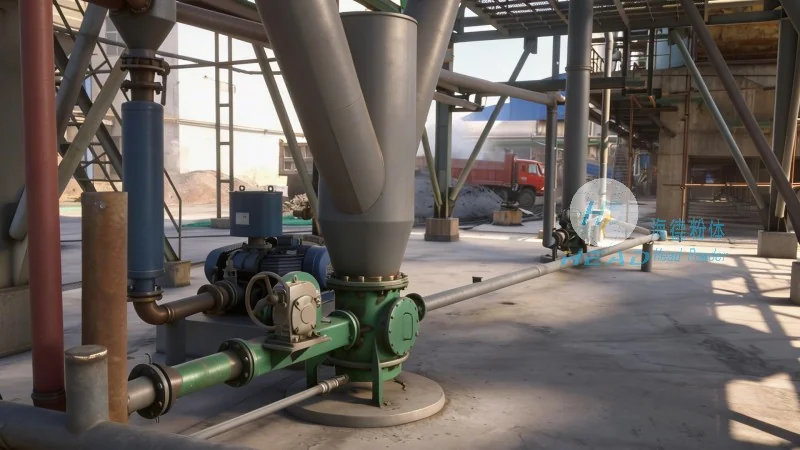
3. System Sizing and Capacity: The system must be sized to handle the required material flow rate and distance. This involves calculating the required air volume and pressure based on the material's properties and the pipeline length. Oversizing the system can lead to unnecessary energy consumption, while undersizing may result in insufficient conveying capacity or material blockages. Proper system sizing ensures that the conveying system operates within its design limits and provides reliable performance.
4. Energy Efficiency and Cost Considerations: Low-pressure systems are generally more energy-efficient than high-pressure systems due to their lower air velocities and pressures. However, the design must still consider the overall energy consumption and operational costs. Factors such as blower efficiency, pipeline friction losses, and maintenance requirements are evaluated to optimize the system's cost-effectiveness. The use of energy-efficient components, such as variable frequency drives (VFDs) for the blower, can further reduce energy consumption and operating costs.
5. Reliability and Maintenance: The design should prioritize system reliability and ease of maintenance. This includes selecting durable materials for components, providing easy access for maintenance, and incorporating safety features to prevent accidents. Regular maintenance, such as cleaning filters, checking for leaks, and inspecting wear parts, is essential to ensure the system operates at peak performance and extends its service life.
Applications and Benefits of Low-Pressure Continuous Pneumatic Conveying Systems
Low-pressure continuous systems are versatile and can be applied to a wide range of applications. Some common uses include:
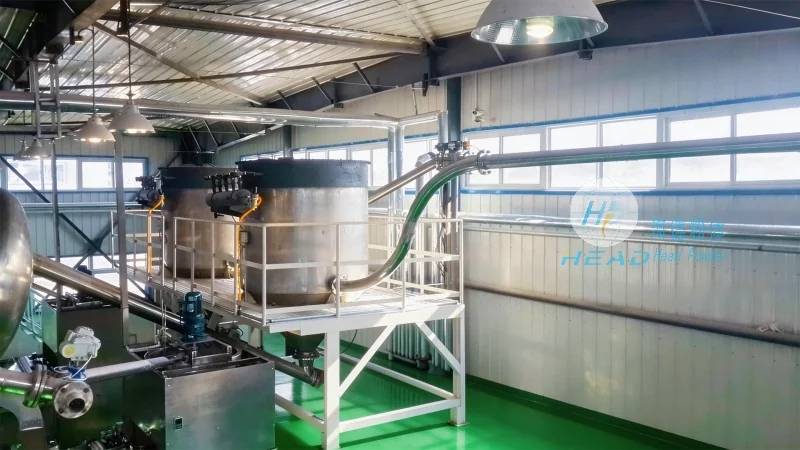
1. Food and Beverage Industry: Conveying powders, granules, and other food products in pharmaceutical and food processing facilities. These systems are designed to maintain product purity and prevent contamination, ensuring compliance with regulatory standards.
2. Pharmaceutical Industry: Transporting active pharmaceutical ingredients (APIs), excipients, and finished dosage forms. The low-pressure design minimizes product exposure to high temperatures and air contaminants, preserving the quality and stability of the pharmaceutical products.
3. Chemical Industry: Handling various chemicals, including powders, granules, and liquids. The system's ability to handle abrasive or corrosive materials makes it suitable for chemical processing plants.
4. Manufacturing and Processing: Conveying raw materials and finished products in manufacturing facilities, such as in the production of plastics, ceramics, and metals. The continuous operation of the system improves production efficiency and reduces labor costs.
By understanding the design principles and applications of low-pressure continuous pneumatic conveying systems, industries can select and implement the most appropriate technology to meet their specific material handling needs. The combination of efficiency, reliability, and flexibility makes these systems a preferred choice for many bulk material transportation applications.




