When it comes to the efficient and reliable transport of silica powder, selecting the right pneumatic conveying system is crucial. Silica powder, with its fine particle characteristics and potential for dust generation, requires specialized handling methods to ensure safety, maintain product quality, and optimize operational efficiency. This article explores several effective solutions for silica powder pneumatic conveying, highlighting key considerations and practical approaches tailored to the unique properties of silica powder.
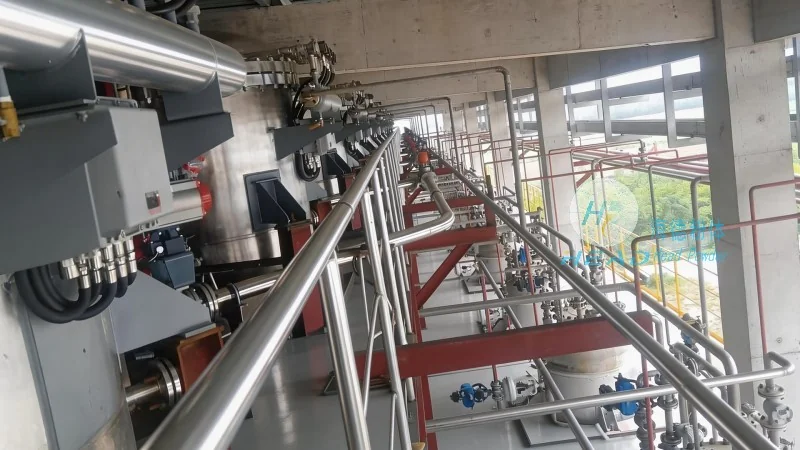
Understanding Silica Powder and Its Conveying Challenges
Silica powder, commonly used in various industrial applications such as foundries, refractory materials, and chemical processing, presents specific challenges during pneumatic conveying. Its fine particle size can lead to issues like clogging, increased pressure drop, and dust accumulation, which may compromise system performance and worker safety. Additionally, silica powder's abrasive nature demands robust equipment capable of withstanding wear and maintaining consistent flow. Addressing these challenges is essential for developing an effective pneumatic conveying system that meets both operational and safety standards.
Solution 1: Dilute Phase Pneumatic Conveying
Dilute phase pneumatic conveying is a widely adopted method for transporting silica powder, particularly over moderate distances. This system operates by introducing air at high velocity to create a suspension of powder particles in the air stream. The key advantages of dilute phase conveying include its ability to handle fine powders without significant pressure drop, reduced equipment wear compared to dense phase systems, and lower energy consumption. However, it may not be suitable for long-distance transport or when dealing with highly abrasive powders, as the high air velocities can cause excessive wear on pipelines and components. For silica powder applications where moderate distances and relatively low particle concentrations are involved, dilute phase conveying offers a cost-effective and efficient solution.
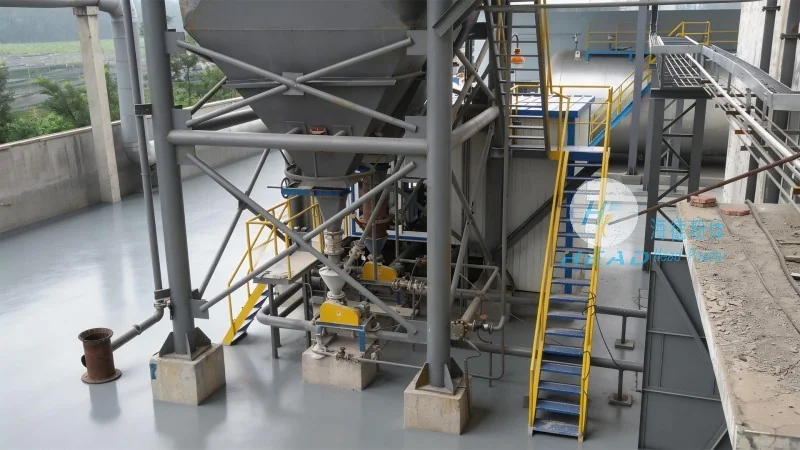
Solution 2: Dense Phase Pneumatic Conveying
For applications requiring longer transport distances or the handling of more abrasive silica powders, dense phase pneumatic conveying is often preferred. Unlike dilute phase systems, dense phase conveying operates at lower air velocities, resulting in a higher concentration of powder particles in the air stream. This method reduces the risk of clogging and minimizes wear on system components, making it ideal for silica powders that are prone to agglomeration or have high abrasiveness. The system typically uses a positive displacement blower or compressor to maintain a steady flow of powder, ensuring consistent delivery to the destination. Dense phase conveying is particularly effective when transporting silica powder over distances exceeding 100 meters or when dealing with materials that are sensitive to high air velocities. This solution provides a reliable and efficient means of transporting silica powder while preserving product integrity and reducing operational risks.
Solution 3: Hybrid Pneumatic Conveying Systems
In some cases, combining the benefits of both dilute and dense phase systems may be the most effective approach for silica powder pneumatic conveying. Hybrid systems integrate elements of both methods to optimize performance based on specific operational requirements. For example, a hybrid system might use dilute phase conveying for the initial transport segment and then transition to dense phase for the final delivery stage, or vice versa. This flexibility allows for the efficient handling of silica powder over varying distances and under different conditions. Hybrid systems are particularly useful when dealing with silica powders that have mixed particle sizes or when the transport route includes both short and long segments. By leveraging the strengths of both dilute and dense phase approaches, hybrid systems can provide enhanced reliability, reduced energy consumption, and improved product quality, making them a versatile solution for complex silica powder conveying needs.
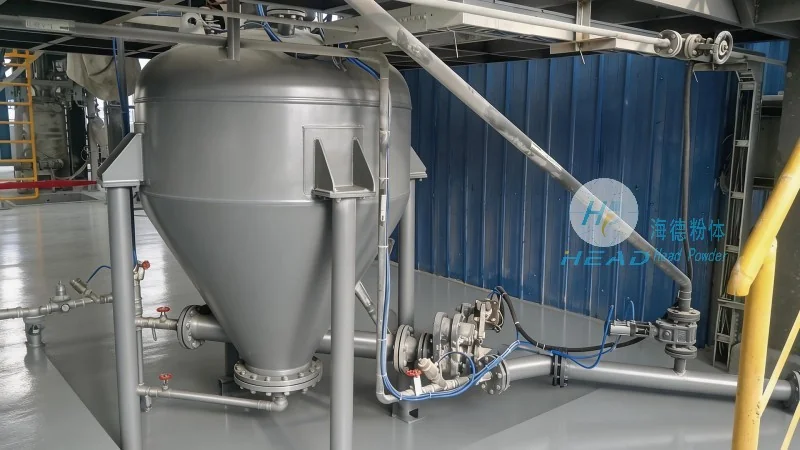
Key Considerations for Selecting the Right System
Choosing the appropriate pneumatic conveying system for silica powder involves evaluating several critical factors, including the powder's particle size, moisture content, abrasiveness, and the required transport distance. The system's design must also consider the need for dust control measures, as silica powder is a potential respiratory hazard. Additionally, the choice of equipment, such as the type of blower, pipeline materials, and control systems, plays a significant role in ensuring the system's longevity and efficiency. Working with a specialized engineering company like Shandong HeadPowder Engineering Co., Ltd. can provide valuable expertise in selecting and implementing the most suitable pneumatic conveying solution for silica powder applications. Their experience in handling fine powders and understanding the unique challenges of silica powder ensures that the chosen system meets both operational and safety standards.
Conclusion
Effective pneumatic conveying of silica powder requires careful consideration of the material's properties and the operational requirements of the application. Whether opting for dilute phase, dense phase, or hybrid systems, each approach offers distinct advantages tailored to specific scenarios. By understanding the challenges associated with silica powder and selecting the appropriate conveying method, industries can achieve efficient, safe, and reliable transport of this critical material. Companies like Shandong HeadPowder Engineering Co., Ltd., with their expertise in pneumatic conveying systems, can provide tailored solutions that address the unique needs of silica powder handling, ensuring optimal performance and long-term operational success.




