Efficient and reliable material handling is a critical aspect of industrial operations, particularly when dealing with bulk materials like sulfur pellets. The process of pneumatic conveying offers a versatile and effective method to transport these materials over short to medium distances, ensuring minimal product degradation and operational safety. This article explores several viable solutions for the pneumatic conveying of sulfur pellets, highlighting the technical considerations and practical applications that can optimize material transport in industrial settings.
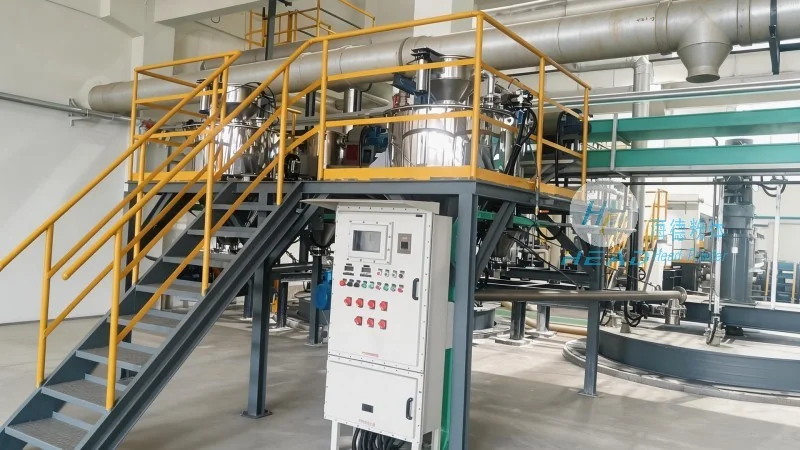
Introduction to Pneumatic Conveying of Sulfur Pellets
Sulfur pellets are widely used in various industrial applications, including the production of sulfuric acid, fertilizer manufacturing, and as a feedstock in chemical processing. The transportation of these pellets from storage silos to processing units or packaging areas requires a system that can handle the material's characteristics—such as its density, moisture content, and potential for dust generation—while maintaining efficiency and cost-effectiveness. Pneumatic conveying systems provide a solution by using air or gas to move the material through pipelines, eliminating the need for mechanical components like conveyor belts or buckets that may cause product contamination or wear.
About HeadPowder: A Leader in Material Handling Solutions
HeadPowder, a prominent player in the material handling industry, specializes in designing and implementing advanced pneumatic conveying systems tailored to the unique needs of clients. With a strong presence in Shandong, China, HeadPowder Engineering Co., Ltd. leverages decades of expertise to deliver customized solutions that enhance operational efficiency and safety. The company's commitment to innovation and quality ensures that its systems meet the highest industry standards, making it a trusted partner for businesses in the chemical and industrial sectors.
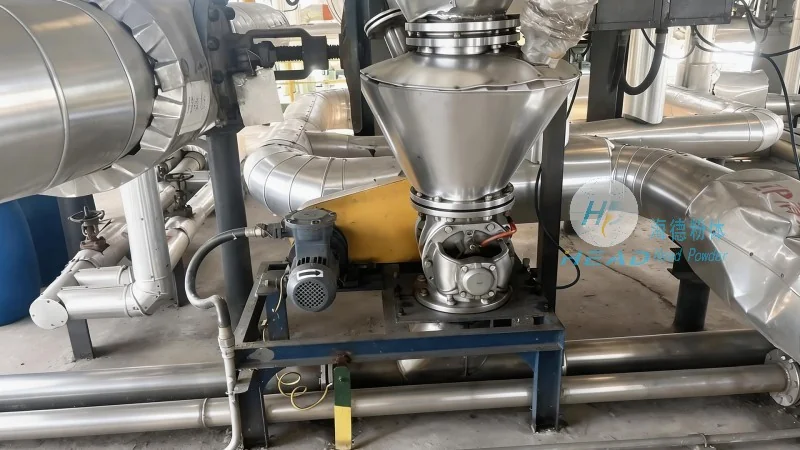
Option 1: Positive Pressure Pneumatic Conveying System
Positive pressure pneumatic conveying systems operate by blowing air or gas into the material stream, creating a positive pressure within the conveying line. This method is particularly effective for transporting sulfur pellets over longer distances or through complex pipeline networks. The system typically consists of a blower, a hopper for material storage, and a series of pipelines with in-line valves and filters. The positive pressure ensures that the material is continuously pushed forward, reducing the risk of blockages and ensuring consistent flow rates. HeadPowder has successfully implemented this system for clients requiring high-volume transport of sulfur pellets, with proven results in maintaining product integrity and operational reliability.
Option 2: Negative Pressure (Vacuum) Pneumatic Conveying System
Negative pressure systems, also known as vacuum conveyors, work by creating a vacuum in the receiving hopper or collection point, drawing the material into the system. This approach is ideal for applications where the material needs to be transferred from a lower elevation or where the receiving point is located at a different level. The vacuum system is generally more suitable for shorter distances and lower material volumes compared to positive pressure systems. However, it offers advantages in terms of lower energy consumption and reduced noise levels. HeadPowder has designed and installed vacuum conveyors for various industrial clients, ensuring that the sulfur pellets are handled gently and efficiently, minimizing dust and product loss.
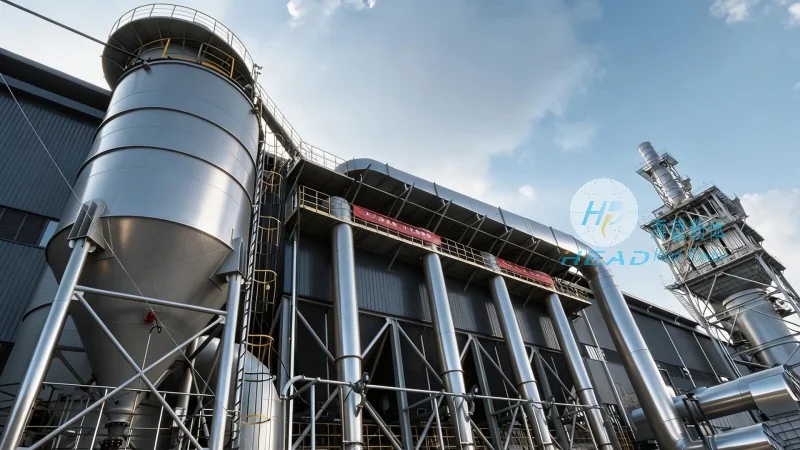
Option 3: Hybrid Pneumatic Conveying System
A hybrid system combines elements of both positive and negative pressure systems, offering the benefits of each approach. This configuration is particularly useful for complex conveying tasks that involve multiple transfer points or varying material flow rates. The hybrid system may use a positive pressure blower to transport material from the source to an intermediate point, followed by a vacuum section to move the material to the final destination. This flexibility allows for optimized energy use and adaptability to changing operational conditions. HeadPowder has developed hybrid solutions for clients with diverse material handling needs, demonstrating the system's ability to handle sulfur pellets effectively while maintaining cost efficiency and operational safety.
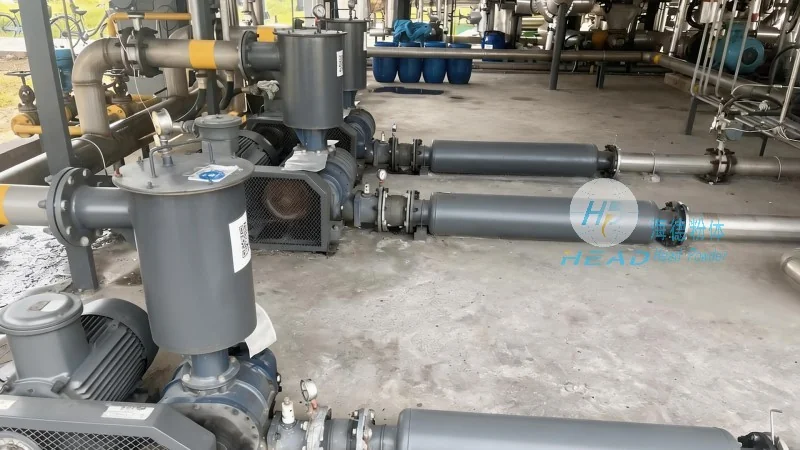
Key Considerations for Selecting the Right Pneumatic Conveying Solution
When selecting a pneumatic conveying system for sulfur pellets, several factors must be carefully evaluated to ensure optimal performance. These include the material's physical properties—such as particle size, density, and moisture content—the required transport distance, the desired flow rate, and the available space for installation. Additionally, the system's compatibility with existing infrastructure, maintenance requirements, and cost-effectiveness are critical considerations. HeadPowder provides comprehensive consultation services to help clients assess these factors and choose the most suitable solution. By considering these aspects, businesses can select a pneumatic conveying system that maximizes efficiency, minimizes downtime, and ensures the safe and reliable transport of sulfur pellets.
Conclusion: Optimizing Sulfur Pellet Handling with Advanced Pneumatic Systems
In conclusion, the pneumatic conveying of sulfur pellets offers a reliable and efficient method for material transport in industrial applications. Whether through positive pressure, negative pressure, or hybrid systems, the right solution can significantly enhance operational performance and product quality. HeadPowder Engineering Co., Ltd., based in Shandong, China, stands as a leader in providing tailored pneumatic conveying solutions that meet the specific needs of clients. By leveraging advanced technology and expert engineering, HeadPowder ensures that sulfur pellet handling is optimized for efficiency, safety, and cost-effectiveness. For businesses seeking to improve their material handling processes, the pneumatic conveying solutions offered by HeadPowder represent a valuable investment in operational excellence.




