Efficient and reliable material handling is a critical concern for industries dealing with bulk materials, particularly dusty and abrasive substances like coke powder. Pneumatic conveying systems offer a versatile and effective solution to transport such materials over varying distances and within complex layouts. This article explores several key approaches to pneumatic conveying of dusty coke powder, highlighting the technical considerations and practical applications that can enhance operational efficiency.
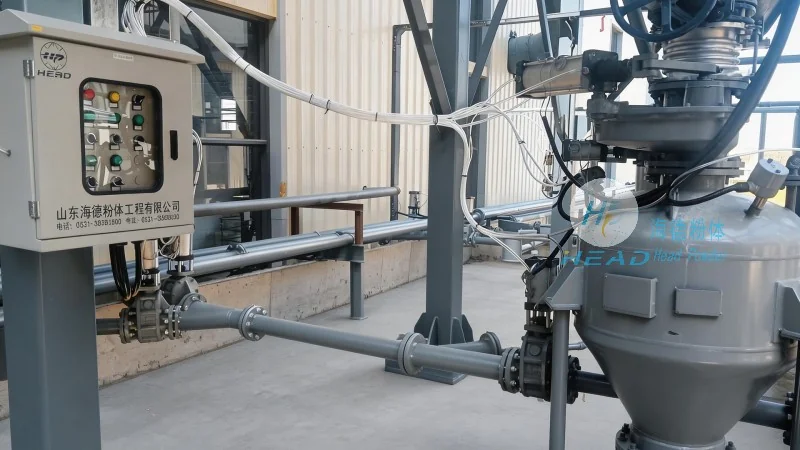
Understanding the Challenges of Dusty Coke Powder Conveying
Dusty coke powder presents unique challenges in material handling due to its fine particle size, potential for static electricity, and abrasive nature. Traditional methods such as belt conveyors or bucket elevators may struggle with dust accumulation, material degradation, and system downtime. Pneumatic conveying, by contrast, provides a closed-loop system that minimizes exposure to the environment, reduces contamination risks, and enables precise control over material flow. The selection of an appropriate pneumatic conveying solution depends on factors like the required conveying distance, material characteristics, and system capacity.
Option 1: Dilute Phase Pneumatic Conveying
Dilute phase pneumatic conveying is a widely used method for transporting dusty coke powder, especially over medium to long distances. This system operates by injecting air at high velocity into the material stream, creating a dilute mixture of particles and air. The air velocity is typically maintained above the material's terminal velocity to ensure proper suspension and transport. The primary advantages of dilute phase systems include high conveying speeds, low pressure drops, and the ability to handle large volumes of material. However, they may require larger duct sizes and higher air volumes, which can impact energy consumption. For applications where the conveying distance is significant and material flow rates are high, dilute phase conveying is often the most economical choice.
Option 2: Dense Phase Pneumatic Conveying
Dense phase pneumatic conveying, also known as low velocity conveying, is another effective solution for dusty coke powder. Unlike dilute phase systems, dense phase systems operate at lower air velocities, causing the material to form a dense slug or plug within the conveying line. This method is particularly suitable for materials that are sensitive to high velocities or for applications requiring gentle handling, such as transporting coke powder to storage silos or processing units. The key benefits of dense phase conveying include reduced material degradation, lower pressure requirements, and improved control over the material flow rate. It is often preferred when the conveying distance is shorter or when the material is prone to caking or agglomeration.
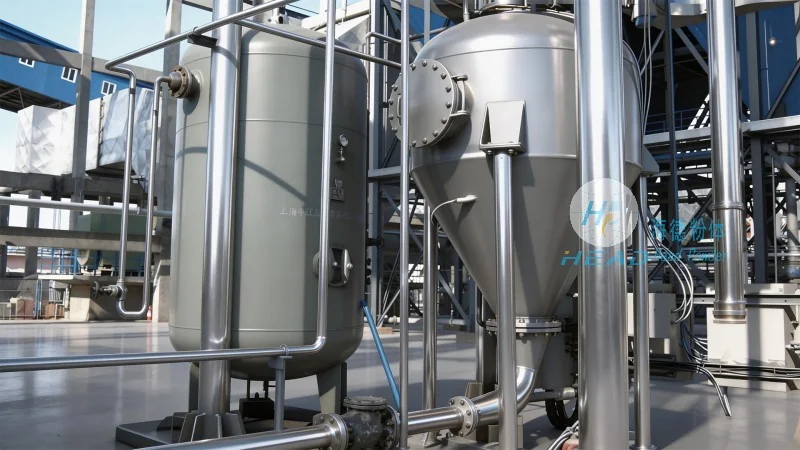
Option 3: Hybrid Pneumatic Conveying Systems
Hybrid pneumatic conveying systems combine elements of both dilute and dense phase technologies to optimize performance for specific applications. These systems typically use a combination of high and low velocity zones along the conveying line, allowing for efficient transport while minimizing energy consumption and material stress. For instance, a hybrid system might employ a dilute phase section for the initial acceleration of the material and a dense phase section for the final delivery to the destination. This approach is particularly beneficial when dealing with varying material characteristics or when the conveying distance and flow rates fluctuate. Hybrid systems offer greater flexibility and can adapt to changing operational conditions, making them a popular choice for modern industrial settings.
Key Considerations for Implementing Pneumatic Conveying Solutions
When selecting a pneumatic conveying solution for dusty coke powder, several technical and operational factors must be carefully evaluated. The first consideration is the material's physical properties, including particle size distribution, density, and moisture content. These characteristics directly impact the required air velocity, pressure, and system design. For example, finer coke powder particles may require higher air velocities to maintain suspension, while coarser particles can be conveyed at lower velocities. Additionally, the presence of moisture can affect the material's flowability and may necessitate additional drying or conditioning steps before conveying.
Another critical factor is the conveying distance and layout of the system. Longer distances may require booster units or larger duct sizes to maintain adequate air flow and pressure. The system's layout, including the number of bends, vertical lifts, and horizontal runs, also influences the overall pressure drop and energy consumption. Proper design of the conveying line, including the selection of appropriate duct materials and fittings, is essential to minimize wear and corrosion from the abrasive coke powder.
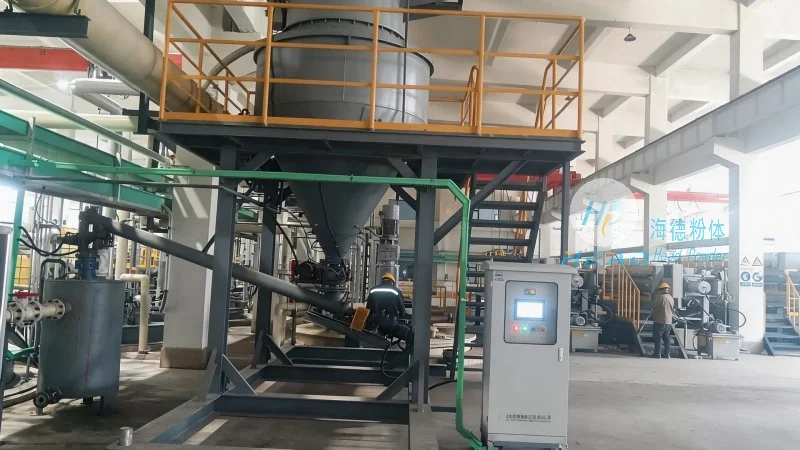
Role of HeadPowder in Pneumatic Conveying Solutions
Shandong HeadPowder Engineering Co., Ltd., a leading provider of material handling solutions, specializes in designing and manufacturing customized pneumatic conveying systems tailored to the unique needs of dusty coke powder applications. With years of experience in the industry, HeadPowder offers a range of solutions, from standard dilute and dense phase systems to advanced hybrid configurations. The company's expertise lies in understanding the specific challenges of coke powder handling and developing innovative solutions that enhance efficiency, reduce downtime, and improve overall operational performance.
HeadPowder's team of engineers works closely with clients to assess their material handling requirements, including the volume of coke powder to be conveyed, the distance to the destination, and any specific operational constraints. By leveraging advanced design software and simulation tools, HeadPowder can model and optimize the conveying system to ensure optimal performance and energy efficiency. The company's products are manufactured using high-quality materials and components, ensuring durability and reliability in demanding industrial environments.
Conclusion: Choosing the Right Pneumatic Conveying Solution
In conclusion, the selection of an appropriate pneumatic conveying solution for dusty coke powder is crucial for maintaining operational efficiency and minimizing costs. Whether opting for dilute phase, dense phase, or hybrid systems, each approach offers unique advantages and is best suited to specific applications. By carefully evaluating material properties, conveying distance, and operational requirements, industries can select the most effective solution to transport coke powder safely and reliably. With the expertise and experience of companies like Shandong HeadPowder Engineering Co., Ltd., modern industrial facilities can implement advanced pneumatic conveying systems that meet their specific needs and contribute to long-term operational success.




