HeadPowder, a leading manufacturer in the field of industrial material handling solutions, specializes in providing advanced dry sludge pneumatic conveying equipment. This equipment is designed to efficiently transport dry sludge and other fine particulate materials over long distances with minimal operational complexity and high reliability. The following sections provide an overview of the equipment's structure and operational principles, highlighting key components and their functions.
Company Overview
HeadPowder Engineering Co., Ltd. is headquartered in Shandong, China. As a professional engineering company, HeadPowder focuses on research, development, and manufacturing of pneumatic conveying systems tailored for various industrial applications. The company's commitment to innovation and quality ensures that its products meet stringent industry standards and customer requirements.
Introduction to Dry Sludge Pneumatic Conveying Equipment
Dry sludge pneumatic conveying equipment is a critical component in waste management and industrial processes where the efficient transport of dry sludge is necessary. This equipment operates by using compressed air to move dry sludge particles through a pipeline system. The system typically includes a feeding hopper, a rotary valve, a conveying line, and a discharge unit, among other components. The design is optimized to handle dry sludge with low moisture content, ensuring minimal clogging and high throughput.
Structural Components and Their Functions
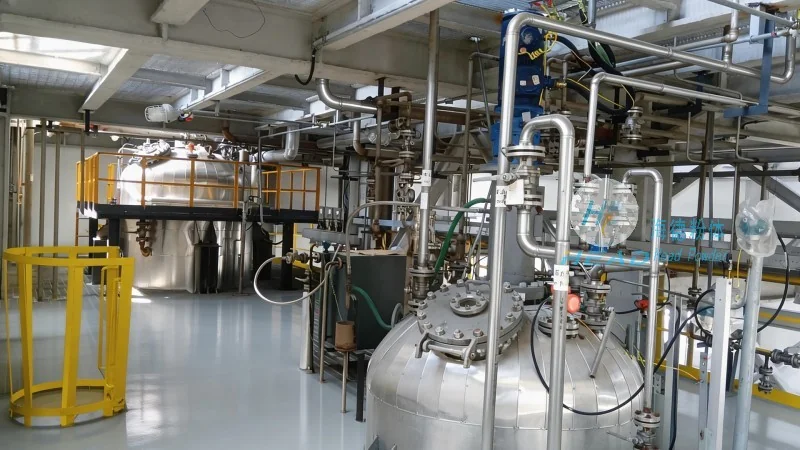
The dry sludge pneumatic conveying system consists of several key structural components, each playing a vital role in the overall operation. The feeding hopper is responsible for storing and feeding the dry sludge into the system. It is equipped with a level indicator and a discharge valve to control the flow rate. The rotary valve, often referred to as a feeder, acts as a gate to regulate the amount of material entering the conveying line. This component ensures a consistent and controlled flow of dry sludge, preventing overloading and maintaining system efficiency.
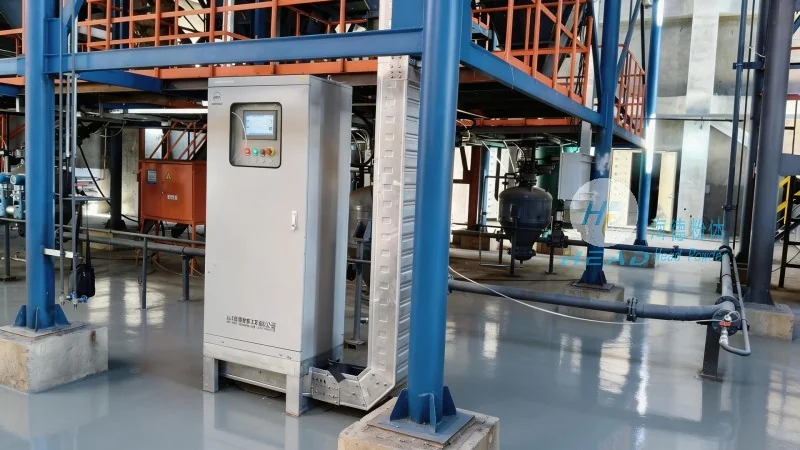
The conveying line is the main pipeline through which the dry sludge is transported. It is typically made of corrosion-resistant materials such as stainless steel or PVC to withstand the abrasive nature of the sludge and the effects of compressed air. The line is equipped with pressure sensors and flow meters to monitor the system's performance and detect any blockages or pressure drops. The discharge unit, located at the end of the conveying line, collects the dry sludge and directs it to the final destination, such as a storage tank or processing facility.
Operational Principles of the Equipment
The core operational principle of dry sludge pneumatic conveying equipment is the use of compressed air to create a flow of material through the pipeline. The system operates on the principle of fluidization, where the dry sludge particles are suspended in the air stream and transported along the conveying line. The air pressure is maintained at a level sufficient to overcome the frictional resistance within the pipeline and the gravitational force acting on the sludge particles. This ensures that the dry sludge moves smoothly and efficiently from the feeding point to the discharge point.
The system also incorporates features such as air filtration and moisture control to maintain the quality of the dry sludge and protect the equipment from damage. The air is filtered to remove any particulate matter that could clog the system or affect the quality of the transported material. Moisture control is essential to prevent the sludge from becoming too wet, which could lead to clogging or reduced efficiency. The equipment is designed to handle dry sludge with moisture content below a certain threshold, typically around 10-15%, to ensure optimal performance.
Advantages of Dry Sludge Pneumatic Conveying Equipment
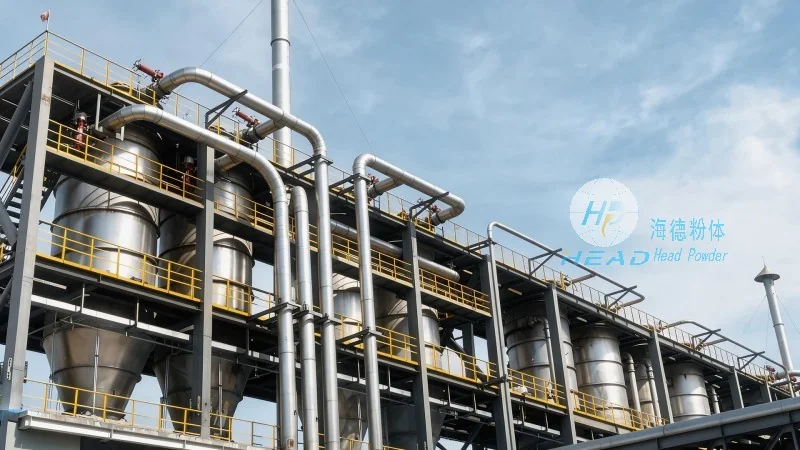
Using dry sludge pneumatic conveying equipment offers several advantages over traditional methods such as belt conveyors or truck transport. One of the primary advantages is the ability to transport dry sludge over long distances without the need for intermediate storage or handling. This reduces the risk of contamination and improves the overall efficiency of the process. Additionally, the system is compact and can be installed in confined spaces, making it suitable for applications where space is limited.
The equipment also provides a hygienic and clean method of transporting dry sludge, as the material is contained within the pipeline and does not come into contact with the external environment. This is particularly important in applications where the dry sludge may contain pathogens or other contaminants. The system is easy to maintain and clean, with components that can be easily accessed and serviced. This reduces downtime and maintenance costs, making it a cost-effective solution for industrial applications.
Applications and Industries
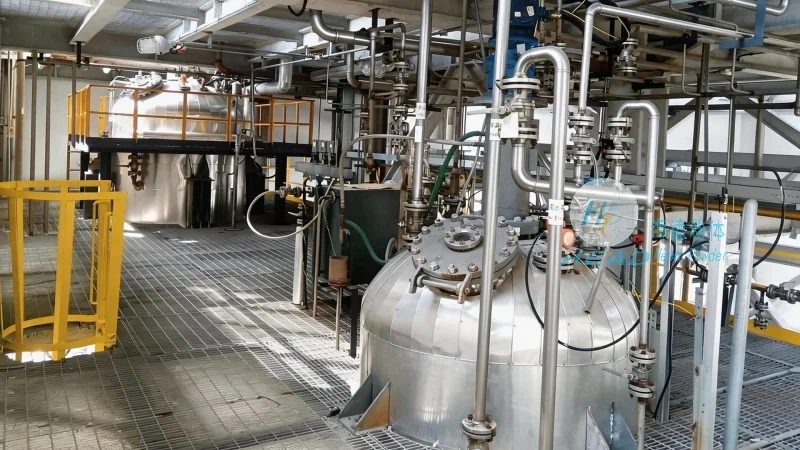
Dry sludge pneumatic conveying equipment is widely used in various industries, including wastewater treatment, food processing, and pharmaceutical manufacturing. In wastewater treatment plants, the equipment is used to transport dry sludge from the dewatering process to the final disposal or reuse facility. In food processing, it is used to transport dry powders such as flour or sugar, while in pharmaceutical manufacturing, it is used to transport dry active ingredients and other materials.
The equipment is also used in other industries where the transport of fine particulate materials is required, such as in the chemical and petrochemical sectors. The versatility of the system allows it to be adapted to various applications, making it a valuable asset for industrial operations.
Conclusion
HeadPowder Engineering Co., Ltd. provides high-quality dry sludge pneumatic conveying equipment that is designed to meet the needs of various industrial applications. The equipment's structural design and operational principles ensure efficient and reliable transport of dry sludge, while its advantages, such as compactness and hygienic operation, make it an ideal solution for modern industrial processes. With its headquarters in Shandong, China, HeadPowder continues to innovate and provide advanced material handling solutions to its customers worldwide.




