Glycine, also known as amino acetic acid, is a fundamental amino acid widely utilized in pharmaceuticals, food additives, and chemical synthesis. The efficient and reliable transportation of this material is critical for industrial processes, as it directly impacts production efficiency and product quality. This article explores common conveying methods for amino acetic acid and highlights the advantages of HeadPowder's pneumatic conveying system.
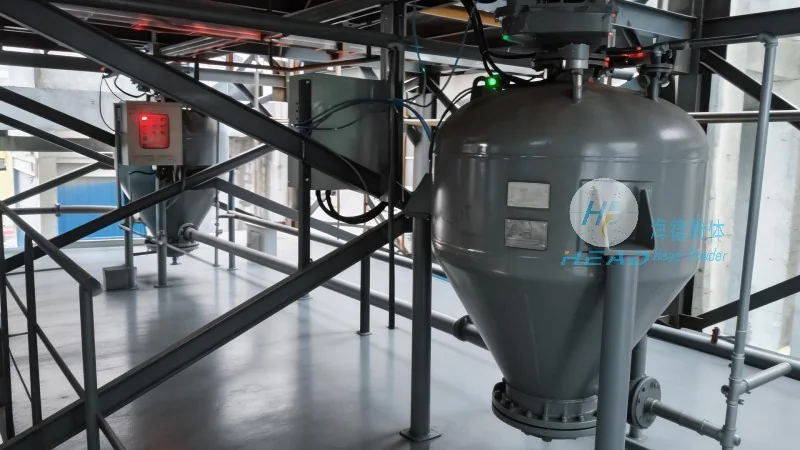
Common Conveying Methods for Amino Acetic Acid
Several methods are commonly employed to transport amino acetic acid in industrial settings. Traditional approaches include gravity flow, mechanical conveyors such as belt and screw conveyors, and fluidized bed systems. Each method has its own set of advantages and limitations, which are critical to consider based on the specific requirements of the application.
Gravity Flow Conveying
Gravity flow, or bulk handling, involves using inclined chutes or hoppers to allow the material to move under the influence of gravity. This method is simple and low-cost, making it suitable for short-distance, low-volume applications. However, it is highly dependent on the material's angle of repose and can be inefficient for long distances or large quantities. For amino acetic acid, which may have varying flow characteristics due to moisture content or particle size, gravity flow may lead to uneven discharge or blockages in the chute.
Mechanical Conveyors
Mechanical conveyors, including belt and screw conveyors, are widely used for transporting bulk materials. Belt conveyors are effective for horizontal and slight incline applications, while screw conveyors are ideal for vertical or steep incline transport. These systems are robust and can handle a wide range of particle sizes. However, they have limitations when dealing with fine powders like amino acetic acid, as they may cause significant material degradation, such as attrition or segregation. Additionally, mechanical conveyors require regular maintenance and can be prone to clogging, especially if the material is hygroscopic or prone to agglomeration.
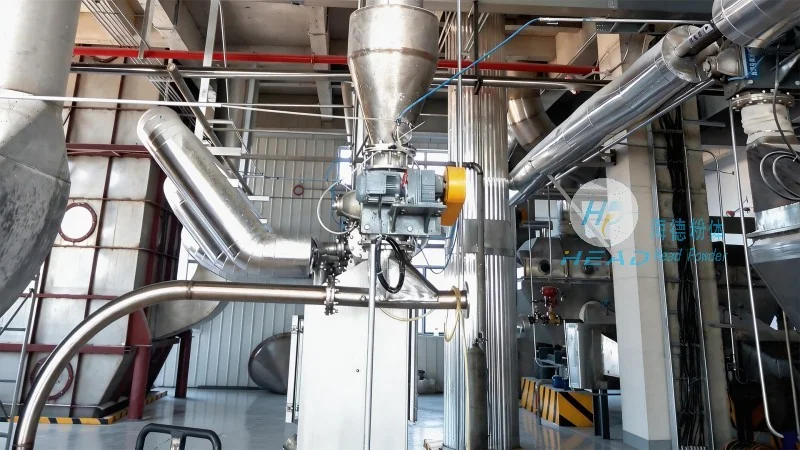
Fluidized Bed and Pneumatic Conveying
Fluidized bed and pneumatic conveying systems offer more advanced solutions for handling fine powders. Fluidized bed systems use air to suspend the material, allowing it to flow like a fluid. While effective for certain applications, they may not be suitable for long-distance transport and can be complex to operate. Pneumatic conveying, on the other hand, uses compressed air to transport material through a pipeline. This method is particularly advantageous for materials like amino acetic acid due to its ability to handle fine powders, minimize product degradation, and provide flexible, scalable solutions.
HeadPowder's Pneumatic Conveying System: Advantages and Features
Shandong HeadPowder Engineering Co., Ltd., a leading manufacturer of pneumatic conveying equipment, offers a specialized system designed for the efficient transport of amino acetic acid. The company, headquartered in Shandong, China, leverages its expertise in material handling technology to address the unique challenges of handling this material, including its hygroscopic nature and potential for agglomeration.
System Components and Design
HeadPowder's pneumatic conveying system consists of several key components, including a high-efficiency blower, stainless steel or food-grade pipelines, a dust separator, and a material recovery unit. The blower is designed to provide consistent air pressure and flow, ensuring reliable material transport. The pipelines are constructed from durable materials that resist corrosion and are easy to clean, which is essential for maintaining product purity. The dust separator effectively removes fine particles from the air stream, preventing contamination and ensuring compliance with environmental regulations. The material recovery unit allows for the recycling of any material that may have been lost during the conveying process, minimizing waste and improving overall efficiency.
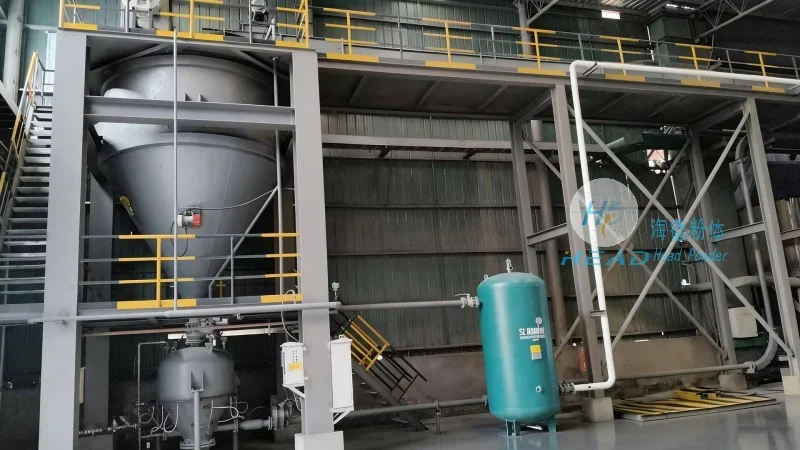
Advantages of HeadPowder's Pneumatic Conveying for Amino Acetic Acid
Compared to traditional conveying methods, HeadPowder's pneumatic system offers several key advantages for amino acetic acid transport. First, it minimizes product degradation by reducing friction and impact during transport. The gentle handling of the material helps maintain its quality, which is critical for applications in pharmaceuticals and food industries. Second, the system provides high conveying efficiency, allowing for long-distance transport with minimal pressure drop. This flexibility enables manufacturers to optimize their production layouts without compromising material flow. Third, the system is highly adaptable to varying production volumes and material characteristics. It can handle both small batches and continuous production, making it suitable for a wide range of applications.
Handling Challenges and Solutions
Amino acetic acid is known for its hygroscopic properties, which can lead to moisture absorption and potential caking. HeadPowder's system addresses this challenge by incorporating drying or moisture control features. The pipelines and components are designed to minimize exposure to ambient moisture, and the system can be equipped with desiccant or heating elements to maintain the material's dryness. Additionally, the system's ability to handle fine powders prevents agglomeration, which can cause blockages in traditional conveyors. The gentle air flow and low shear forces ensure that the material remains in a free-flowing state throughout the conveying process.
Conclusion
Efficient and reliable conveying of amino acetic acid is essential for maintaining production efficiency and product quality. While traditional methods like gravity flow and mechanical conveyors have their uses, they often fall short in handling the unique properties of this material. HeadPowder's pneumatic conveying system provides a superior solution, offering high efficiency, minimal degradation, and flexibility. With its advanced design and robust components, the system is well-suited for industrial applications, ensuring that amino acetic acid is transported safely and effectively. Shandong HeadPowder Engineering Co., Ltd. continues to innovate in the field of pneumatic conveying, providing solutions that meet the evolving needs of the industry.




