For industrial applications requiring efficient and reliable dry desulfurizer handling, the selection of an appropriate pneumatic conveying system is crucial. This article explores several viable options for transporting dry desulfurizer materials, focusing on the technical considerations and operational advantages of each approach. The solutions presented are tailored to meet the demands of modern industrial processes, ensuring optimal performance and cost-effectiveness.
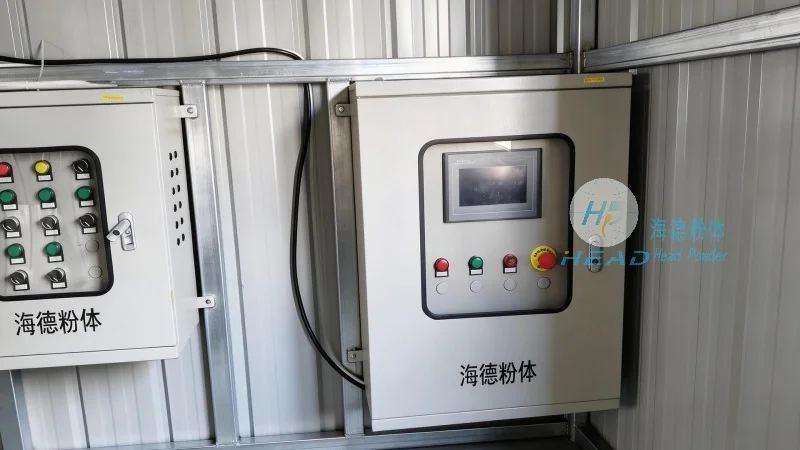
Introduction to Pneumatic Conveying Systems for Dry Desulfurizer
Pneumatic conveying is a widely adopted method for transporting bulk materials like dry desulfurizer, offering advantages such as reduced equipment wear, minimal product contamination, and the ability to handle materials in a closed system. The choice of conveying system depends on factors including material properties, distance, and the required flow rate. In this context, we examine three primary solutions: positive pressure systems, negative pressure systems, and hybrid systems, each with distinct characteristics and applications.
Company Overview: Shandong HeadPowder Engineering Co., Ltd.
HeadPowder, a leading provider of industrial material handling solutions, specializes in the design, manufacturing, and implementation of advanced pneumatic conveying systems. With a strong presence in China, particularly in Shandong, the company leverages decades of experience to deliver customized solutions that meet the specific needs of clients in the power, chemical, and environmental sectors. The company’s commitment to innovation and quality ensures that its products and services are at the forefront of industry standards.
Option 1: Positive Pressure Pneumatic Conveying System
The positive pressure system operates by blowing air or gas into the conveying line, creating a pressure higher than the ambient air pressure. This method is particularly effective for transporting dry desulfurizer over moderate distances, typically up to several hundred meters. The system uses a blower or fan to generate the necessary pressure, and the material is drawn into the line through a hopper or feeder. Key advantages of this approach include high flow rates, low maintenance requirements, and the ability to handle abrasive materials without significant wear on components. The positive pressure system is also suitable for applications where the material needs to be delivered to multiple destinations, as it can be easily integrated with branching lines.
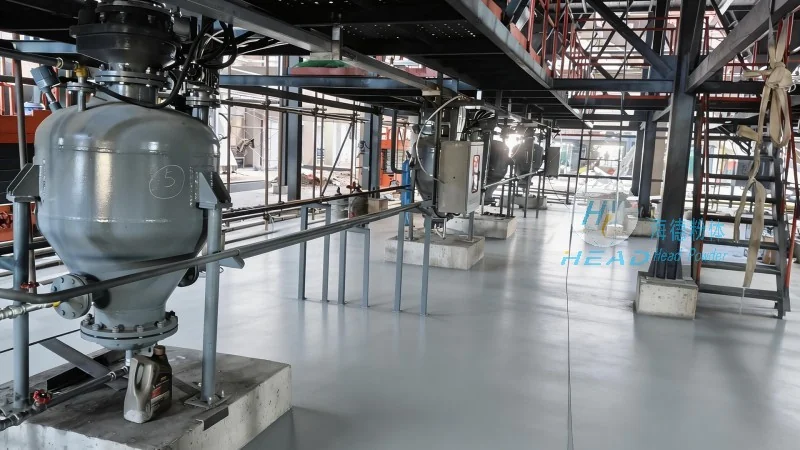
Option 2: Negative Pressure (Vacuum) Pneumatic Conveying System
Conversely, the negative pressure system uses a vacuum to draw material from the source into the conveying line. This method is ideal for applications requiring material to be transported from a lower elevation or over longer distances, as the vacuum can create a suction force that pulls the material efficiently. The system typically includes a vacuum pump and a receiver where the material is collected. The negative pressure approach offers benefits such as reduced noise levels, lower energy consumption compared to positive pressure systems for certain distances, and the ability to handle fine powders without clogging. However, it may be less effective for transporting highly abrasive or sticky materials, as the vacuum can cause more wear on the suction side components.
Option 3: Hybrid Pneumatic Conveying System
A hybrid system combines elements of both positive and negative pressure systems, offering a flexible solution for complex conveying requirements. This approach is particularly useful when transporting dry desulfurizer over varying distances or through multiple stages, such as from a storage silo to a processing unit and then to a final destination. The hybrid system may use a positive pressure section for the initial transport and a negative pressure section for the final delivery, or vice versa, depending on the layout and operational needs. The hybrid design allows for optimized energy use and reduced wear on equipment, making it a cost-effective solution for large-scale industrial applications. It is also adaptable to changes in material flow rates and system configuration, providing greater operational flexibility.
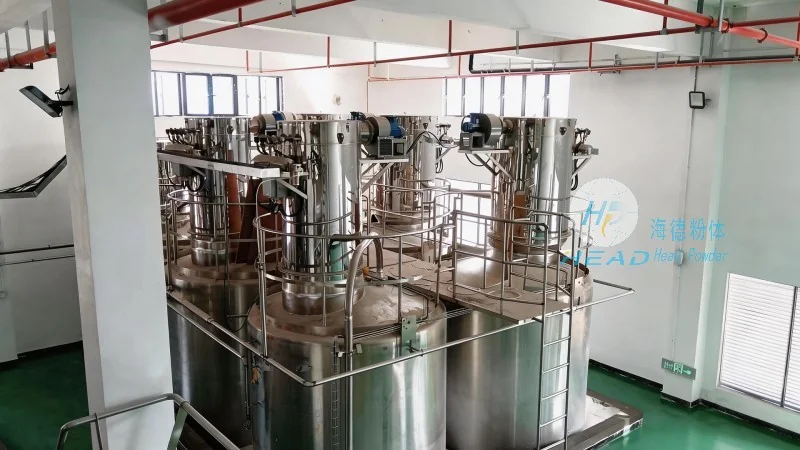
Technical Considerations and Selection Criteria
When selecting a pneumatic conveying system for dry desulfurizer, several technical factors must be considered to ensure optimal performance. These include the particle size and density of the desulfurizer, the required flow rate and conveying distance, the system's pressure and vacuum capabilities, and the material's flow characteristics (e.g., cohesive or free-flowing). The choice of system also depends on the environmental regulations and safety standards applicable to the industry. For example, in power plants, the system must comply with emissions and dust control regulations, which may influence the design of the conveying line and the use of filters. Additionally, the system's reliability and maintenance requirements are critical factors, as downtime can lead to significant operational disruptions and increased costs.
Operational Advantages and Applications
Each pneumatic conveying system offers distinct operational advantages that make it suitable for specific applications. The positive pressure system is preferred for high-volume, short-distance transport, such as in power plants where large quantities of desulfurizer need to be moved from storage to the reactor. The negative pressure system is ideal for applications requiring material to be transported from lower levels or over longer distances, such as in chemical processing facilities where the material is sourced from a silo and delivered to a processing unit. The hybrid system is particularly useful in complex industrial setups, such as in refineries or large-scale manufacturing plants, where materials need to be transported through multiple stages and to different destinations. By understanding the operational requirements and material characteristics, industrial operators can select the most appropriate system to enhance efficiency and reduce operational costs.
Conclusion and Recommendations
In conclusion, the selection of a pneumatic conveying system for dry desulfurizer is a critical decision that impacts the overall efficiency and cost-effectiveness of industrial processes. The positive pressure, negative pressure, and hybrid systems each offer unique advantages and are suitable for different applications. By considering factors such as material properties, conveying distance, and operational needs, industrial operators can choose the most appropriate system to meet their requirements. HeadPowder, with its expertise in industrial material handling, provides customized solutions that address the specific needs of clients, ensuring optimal performance and reliability. Whether for power generation, chemical processing, or environmental applications, the right pneumatic conveying system can significantly improve the handling of dry desulfurizer and contribute to the overall success of industrial operations.




