When it comes to the efficient and reliable transportation of tailings slurry in mining operations, the design of a pneumatic conveying system is critical. Proper system design ensures optimal performance, minimal downtime, and adherence to safety standards. This article outlines key design considerations for tailings slurry pneumatic conveying systems, emphasizing the expertise of Shandong HeadPowder Engineering Co., Ltd. (HeadPowder), a leading provider of such solutions in China.
System Selection and Process Flow Design
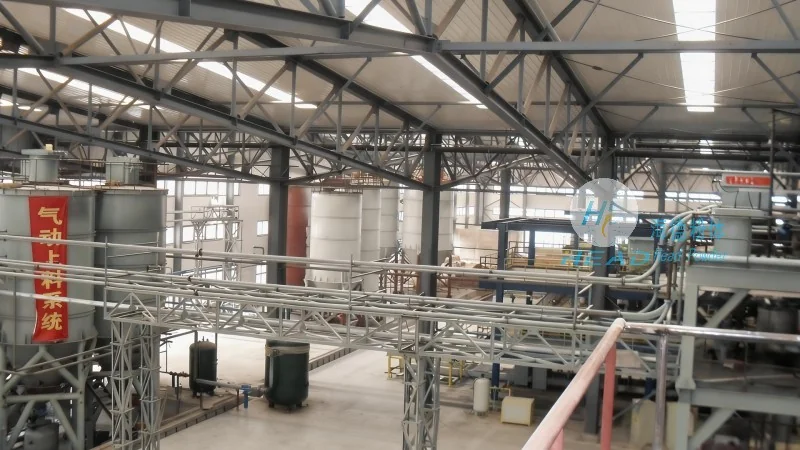
The first step in designing a tailings slurry pneumatic conveying system is selecting the appropriate type of system based on the specific characteristics of the tailings material and the operational requirements. Two primary categories are commonly used: positive pressure and negative pressure systems. Positive pressure systems, where air is supplied to the material to move it through the pipeline, are often preferred for long-distance or high-capacity applications due to their ability to handle abrasive and corrosive materials. Negative pressure systems, on the other hand, draw material into the system using a vacuum, which is suitable for shorter distances or when the material is less abrasive. HeadPowder engineers conduct thorough analyses of the tailings properties, including particle size distribution, moisture content, and density, to recommend the most suitable system type. This involves evaluating factors such as the required conveying distance, flow rate, and the presence of any hazardous gases or dust, ensuring that the chosen system maximizes efficiency while minimizing operational risks.
Pipeline System Design Considerations
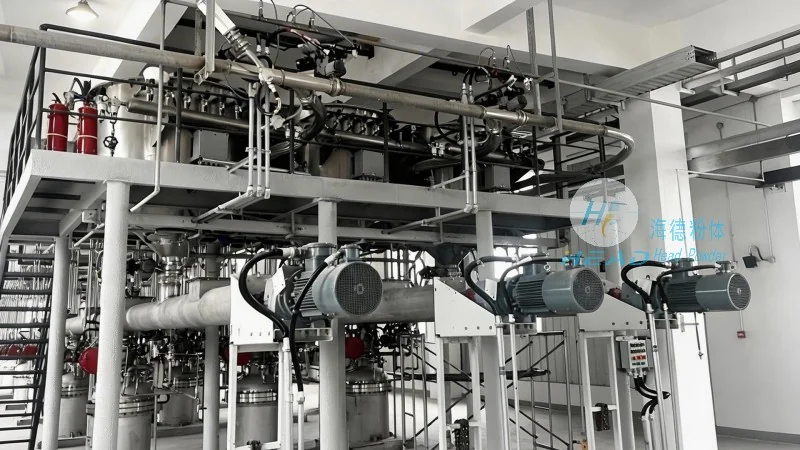
Pipeline design is a critical component of the overall system performance. The selection of pipeline material, diameter, and configuration directly impacts the system's ability to handle the slurry without excessive pressure loss or blockage. For tailings slurry, which often contains abrasive particles, high-quality materials such as stainless steel, alloy steel, or specialized plastic composites are typically used to prevent corrosion and wear. The diameter of the pipeline is determined based on the required flow rate and the velocity of the slurry-air mixture. Proper velocity is essential to prevent particle settling and ensure smooth transport. HeadPowder employs advanced computational fluid dynamics (CFD) simulations to model the flow behavior within the pipeline, allowing for precise calculations of pressure drop and energy consumption. This approach helps in optimizing the pipeline layout, minimizing bends and fittings that could cause turbulence or pressure losses, and ensuring that the system operates within the optimal velocity range for the specific tailings material.
Equipment Selection and Key Components
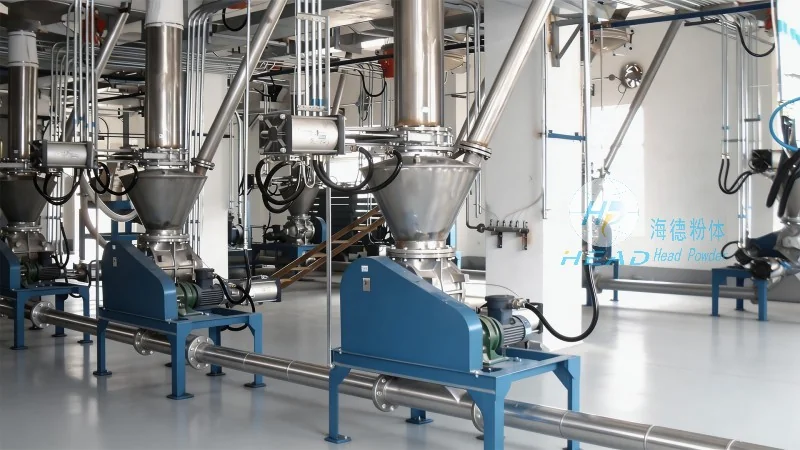
Key equipment in a tailings slurry pneumatic conveying system includes the feeders, separators, and the main air-moving device (such as a centrifugal or positive displacement blower). The feeder is responsible for introducing the slurry into the system at a consistent rate, and its design must accommodate the slurry's viscosity and particle size. HeadPowder recommends using rotary valves or screw feeders for tailings slurry, as they provide reliable and continuous material feeding. The separator, typically a cyclone or a multi-stage separator, is used to separate the air from the slurry at the receiving end, ensuring that the tailings are deposited correctly and the air is recirculated or discharged safely. The choice of the air-moving device depends on the system's pressure and flow requirements. Centrifugal blowers are commonly used for positive pressure systems due to their high flow rates and efficiency, while positive displacement blowers may be preferred for systems requiring higher pressure. HeadPowder's engineers select equipment based on performance data, ensuring that each component is matched to the system's operational parameters, thereby maximizing reliability and minimizing maintenance needs.
System Safety and Maintenance
Ensuring the safety of personnel and the integrity of the system is paramount in tailings slurry pneumatic conveying. HeadPowder incorporates various safety features into the design, including explosion-proof components for areas where flammable gases may be present, and pressure relief valves to prevent over-pressurization. The system also includes monitoring and control systems that allow operators to track key parameters such as pressure, flow rate, and temperature in real-time. This enables proactive maintenance and quick response to any anomalies. Regular maintenance is essential to maintain the system's performance and longevity. HeadPowder provides comprehensive maintenance services, including routine inspections, component replacement, and performance testing, to ensure that the system operates at peak efficiency. By adhering to strict maintenance protocols, the system's lifespan is extended, and the risk of failures is minimized.
About Shandong HeadPowder Engineering Co., Ltd.
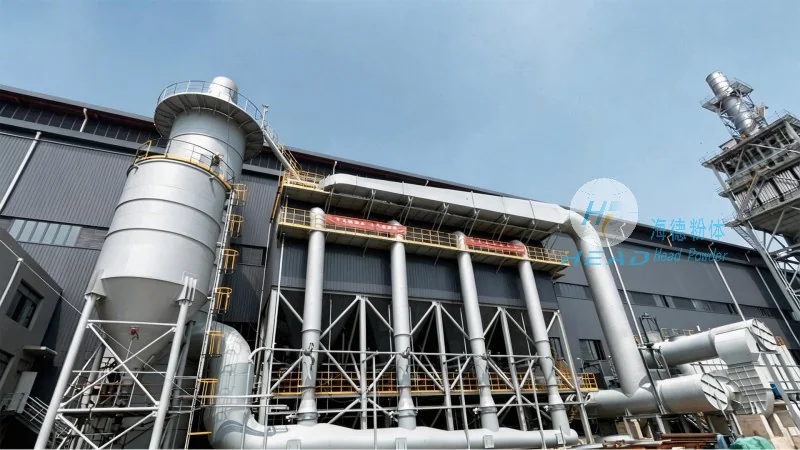
Shandong HeadPowder Engineering Co., Ltd., commonly known as HeadPowder, is a leading engineering company specializing in the design and implementation of tailings slurry pneumatic conveying systems. With a strong presence in China, HeadPowder has extensive experience in working with various mining operations to develop customized solutions that meet their specific needs. The company's team of experienced engineers and technicians utilizes advanced technology and methodologies to ensure that each system is designed for optimal performance, reliability, and safety. HeadPowder's commitment to quality and customer satisfaction has made it a trusted partner in the mining industry, providing tailored solutions that enhance operational efficiency and reduce costs. For more information on their tailings slurry pneumatic conveying system solutions, contact HeadPowder at their office in Shandong, China.




