Artificial graphite powder is a critical material in various industrial applications, and efficient conveying of this powder is essential for maintaining production efficiency and product quality. This article provides an overview of the artificial graphite powder conveying system, focusing on its structural design and operational principles. The content is presented by Shandong HeadPowder Engineering Co., Ltd., a leading manufacturer specializing in powder handling solutions.
Overview of Artificial Graphite Powder Conveying Systems
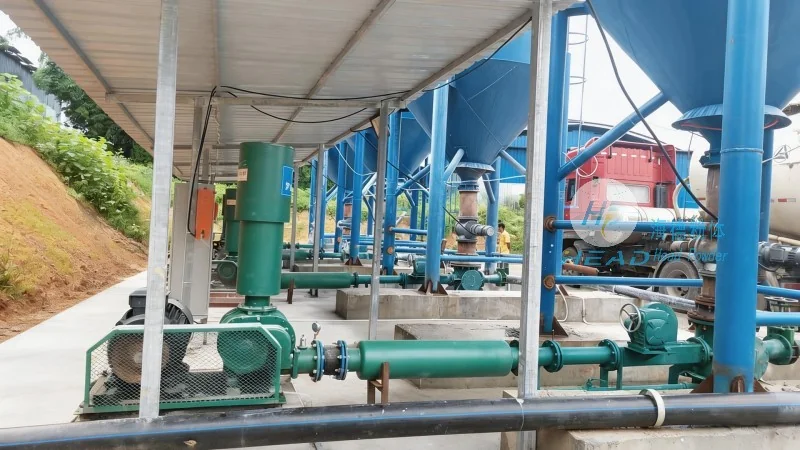
Artificial graphite powder conveying systems are engineered to handle the unique properties of graphite powder, such as its fine particle size, high density, and tendency to form agglomerates. These systems are designed to ensure reliable and continuous material transport from storage to processing equipment. The primary goal is to minimize material loss, prevent contamination, and maintain consistent flow rates, which are crucial for downstream processes like mixing, compounding, and molding.
Structural Components and Design Principles
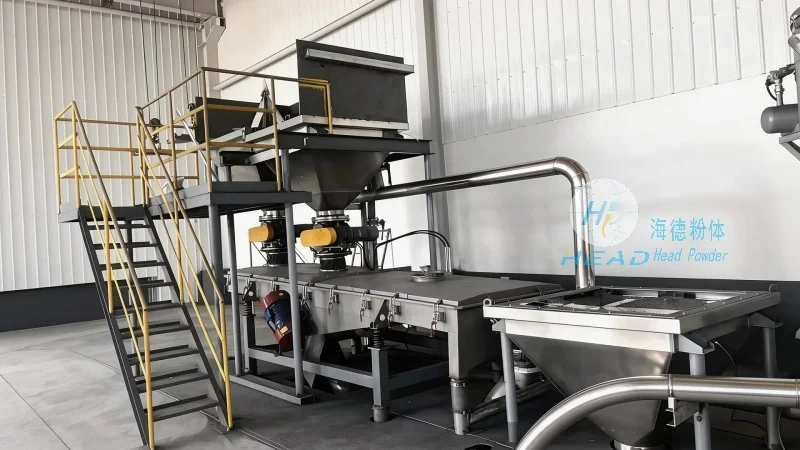
The artificial graphite powder conveying system typically consists of several key components, each playing a vital role in the overall operation. The main structural elements include a hopper for material storage, a feeding mechanism to control the flow rate, a conveying pipeline (often equipped with special liners to prevent material sticking), and a receiver or processing unit. The design emphasizes durability and corrosion resistance, as graphite powder can be abrasive and may contain acidic or alkaline components in some applications.
Conveying Methods and Operational Principles
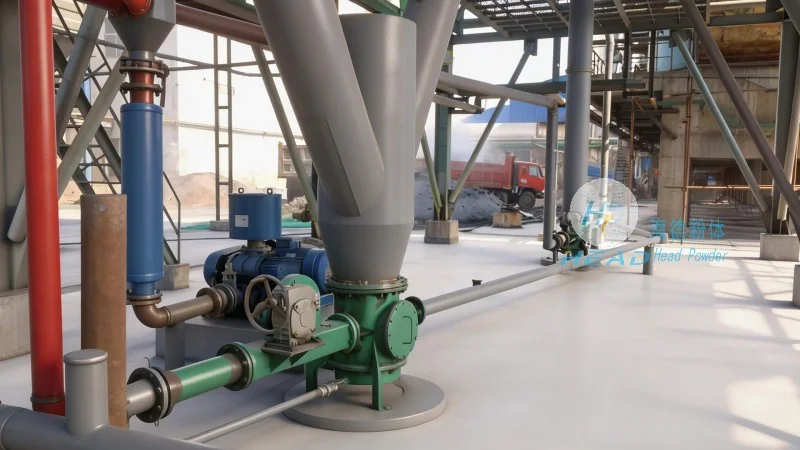
Several conveying methods are employed in artificial graphite powder systems, with the choice depending on the specific application and material characteristics. The most common methods include pneumatic conveying (both pressure and vacuum types) and mechanical conveying (like screw conveyors or belt conveyors). Pneumatic conveying is particularly effective for fine powders, as it can handle high volumes with minimal pressure drops. The operational principle involves creating a flow of air or gas through the pipeline, which carries the powder particles. Proper air velocity and pipeline design are critical to prevent particle deposition and ensure smooth transport.
Key Features and Advantages of the System
Shandong HeadPowder Engineering Co., Ltd. designs its artificial graphite powder conveying systems with several key features that enhance performance and reliability. These include: 1) Advanced material handling technology to prevent clogging and material degradation; 2) Customizable components to suit specific production requirements; 3) Energy-efficient operation to reduce long-term costs; and 4) Easy maintenance and cleaning to minimize downtime. The systems are built to meet industry standards for safety and environmental compliance, ensuring that they operate within regulatory guidelines.
Application Examples and Industry Impact
Artificial graphite powder conveying systems are widely used in industries such as battery manufacturing, lubricant production, and refractory materials. In battery production, for example, the system ensures consistent delivery of graphite powder to the electrode manufacturing process, which is critical for achieving high battery performance and longevity. In lubricant manufacturing, the efficient conveying of graphite powder helps maintain product quality and reduces the risk of contamination. The reliability of these systems contributes to improved production efficiency and reduced operational costs for manufacturers.
Conclusion and Company Information
Efficient artificial graphite powder conveying is essential for modern industrial operations, and the systems designed by Shandong HeadPowder Engineering Co., Ltd. offer a reliable and effective solution. By understanding the structural design and operational principles, manufacturers can optimize their powder handling processes and enhance overall productivity. With a focus on quality and innovation, HeadPowder continues to provide advanced solutions for the powder industry, serving clients in China and beyond.




