Desulfurization Gypsum Pneumatic Conveying: Choosing Positive Pressure or Negative Pressure? How to
Release time:2026-09-14 10:44:27
name of the company:Shandong Headpowder Engineering Co., Ltd.
telephone:156-6277-7102
contacts:Zhang manager
Desulfurization gypsum, a byproduct of flue gas desulfurization processes in thermal power plants and industrial facilities, is a valuable material used in construction, agriculture, and other industries. Efficient and reliable transportation of this bulk material is critical to optimizing downstream processing and minimizing operational costs. Pneumatic conveying systems have emerged as a preferred solution for handling desulfurization gypsum, offering flexibility, automation, and reduced labor requirements. However, the selection of the appropriate pneumatic conveying method—positive pressure or negative pressure—depends on several key factors, including conveying distance, material characteristics, system complexity, and environmental considerations. This article provides a detailed comparison of positive and negative pressure pneumatic conveying systems for desulfurization gypsum, outlining the key differences and helping you make an informed decision.
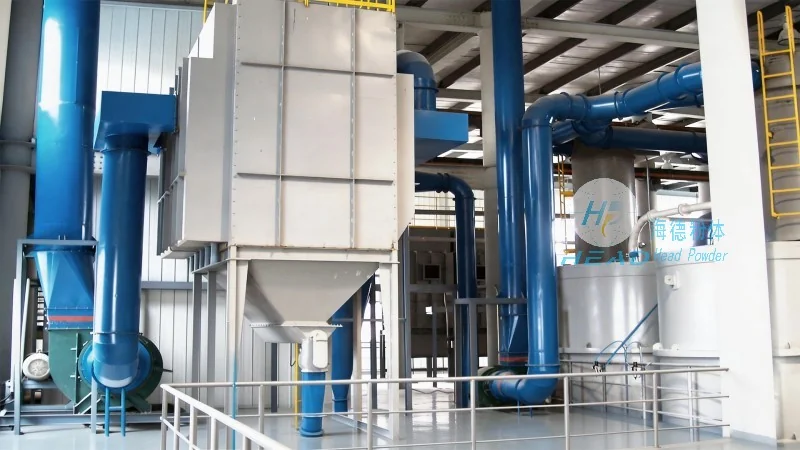
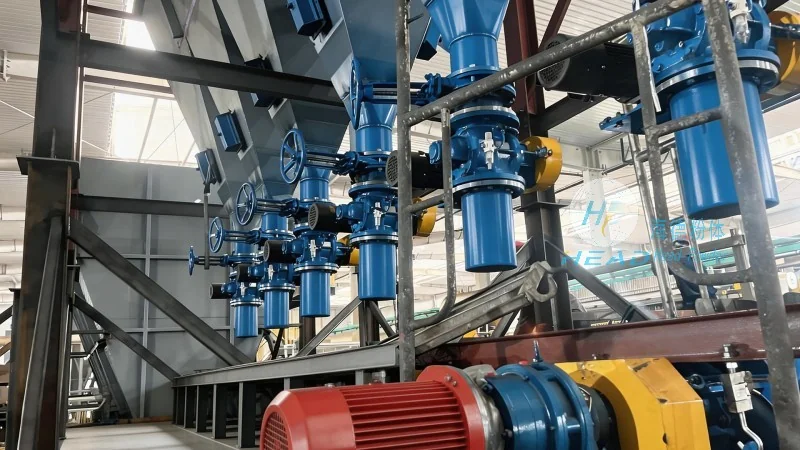
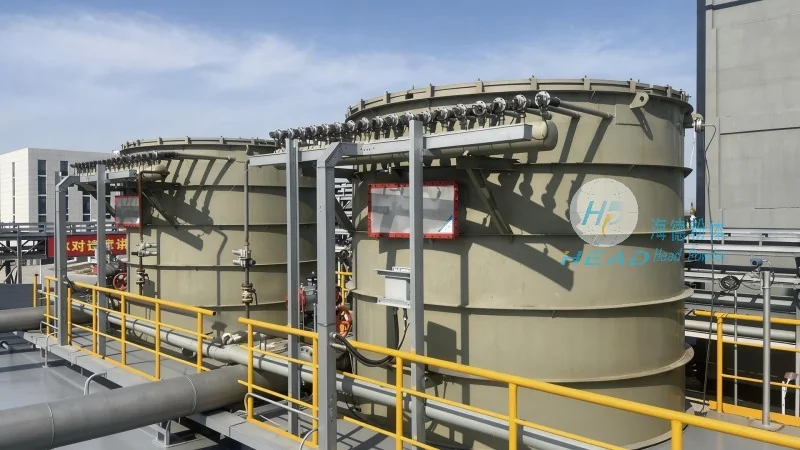
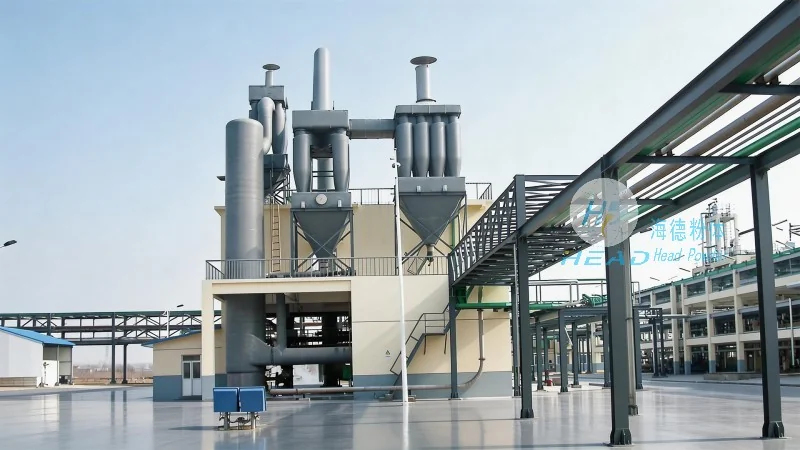
Introduction to Pneumatic Conveying for Desulfurization Gypsum
Pneumatic conveying systems transport bulk materials like desulfurization gypsum using a stream of air. The two primary types are positive pressure and negative pressure systems, each with distinct operating principles and applications. Positive pressure systems force air and material through the conveying line using a blower or fan located at the material inlet, while negative pressure systems create a vacuum at the outlet to draw material into the system. Both methods offer advantages in terms of efficiency and flexibility, but their suitability depends on the specific requirements of the application.
Positive Pressure Pneumatic Conveying Systems
Positive pressure systems operate by blowing air and material through the pipeline. The blower is positioned at the material source, generating pressure that pushes the material forward. This method is particularly effective for long-distance conveying (typically over 100 meters) and high-capacity applications, as it can maintain consistent flow rates and handle a wide range of material characteristics, including coarse, abrasive, or sticky desulfurization gypsum. The primary advantages of positive pressure systems include high conveying efficiency, minimal material degradation, and the ability to handle difficult-to-move materials due to the force applied by the pressure.




