High-temperature fly ash powder conveying systems are critical components in industrial processes, particularly in power plants and waste-to-energy facilities. These systems are designed to handle the transportation of fly ash—a byproduct of combustion processes—under extreme temperature conditions. The efficiency and reliability of such systems directly impact operational safety and environmental compliance. This article provides a detailed introduction to the structure and working principles of high-temperature fly ash powder conveying equipment, highlighting the key components and mechanisms that enable effective material handling.
About Shandong HeadPowder Engineering Co., Ltd.
Shandong HeadPowder Engineering Co., Ltd., commonly known as HeadPowder, is a leading manufacturer specializing in powder handling and conveying solutions. With a strong focus on innovation and quality, the company has established itself as a trusted partner in the industrial sector. HeadPowder's expertise lies in developing customized systems tailored to the unique demands of high-temperature applications, ensuring optimal performance and durability. The company's headquarters is located in Shandong, China, where it leverages advanced technology and skilled engineering teams to deliver cutting-edge solutions for clients worldwide.
Key Components of High-Temperature Fly Ash Powder Conveying Systems
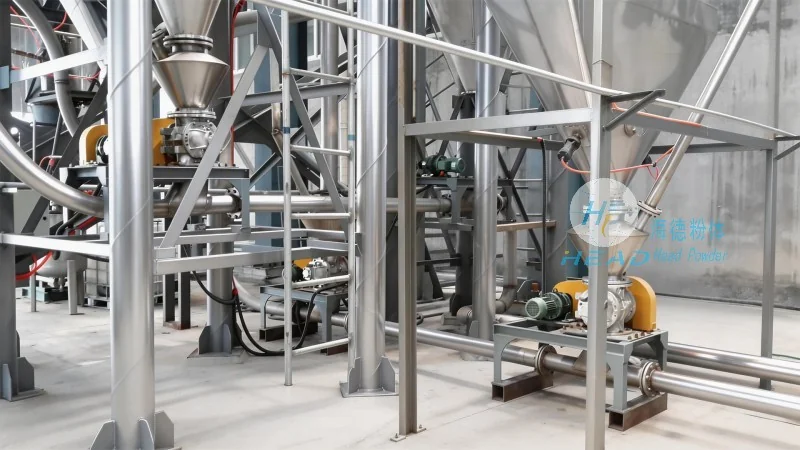
High-temperature fly ash powder conveying systems typically consist of several core components that work in concert to ensure efficient material transport. The primary elements include: conveying pipes, airlock feeders, explosion-proof fans, and temperature-resistant seals. Each component is engineered to withstand the harsh conditions associated with high-temperature fly ash, such as elevated temperatures, abrasive particles, and potential explosion risks.
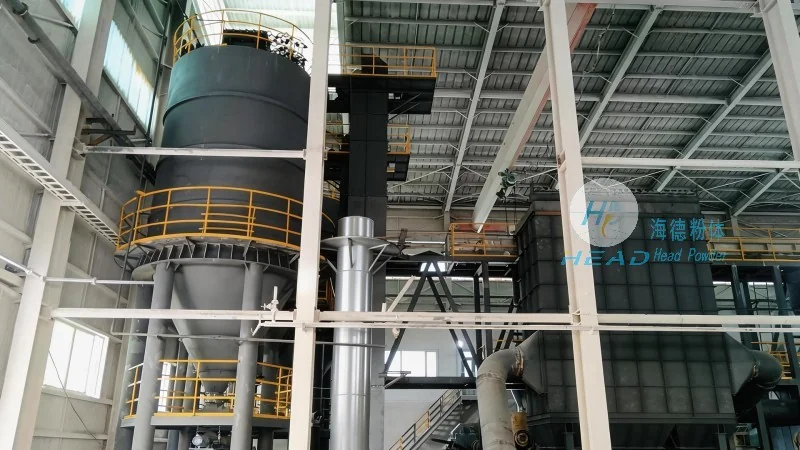
The conveying pipes are constructed from materials like stainless steel or special alloys that can resist corrosion and high temperatures. These pipes are often equipped with insulation to minimize heat loss and maintain the material's temperature during transport. Airlock feeders are used to control the flow of fly ash into the conveying system, preventing backflow and ensuring a steady supply of material. Explosion-proof fans are critical for generating the airflow necessary for conveying, as they are designed to operate safely in potentially explosive environments. Temperature-resistant seals are installed at joints and connections to prevent heat loss and maintain the integrity of the system under extreme conditions.
Working Principle of High-Temperature Fly Ash Powder Conveying
The working principle of high-temperature fly ash powder conveying systems is based on pneumatic conveying, where compressed air is used to transport the powder through the system. The process begins with the fly ash being fed into an airlock feeder, which meters the material into the conveying pipe. The explosion-proof fan then generates a high-velocity airflow that pulls the fly ash particles into the pipe. As the air and ash mixture travels through the insulated pipes, the temperature is maintained at a consistent level, preventing the material from cooling or agglomerating. The system terminates at a discharge point, where the fly ash is released into a storage or processing unit.
One of the key advantages of this pneumatic conveying method is its ability to handle abrasive and high-temperature materials without the need for mechanical components that could wear out or fail under such conditions. The system's design minimizes friction and wear, ensuring long-term reliability and low maintenance costs. Additionally, the use of explosion-proof fans and sealed components enhances safety, making the system suitable for environments where fire and explosion hazards are present.
Applications and Benefits of High-Temperature Fly Ash Powder Conveying
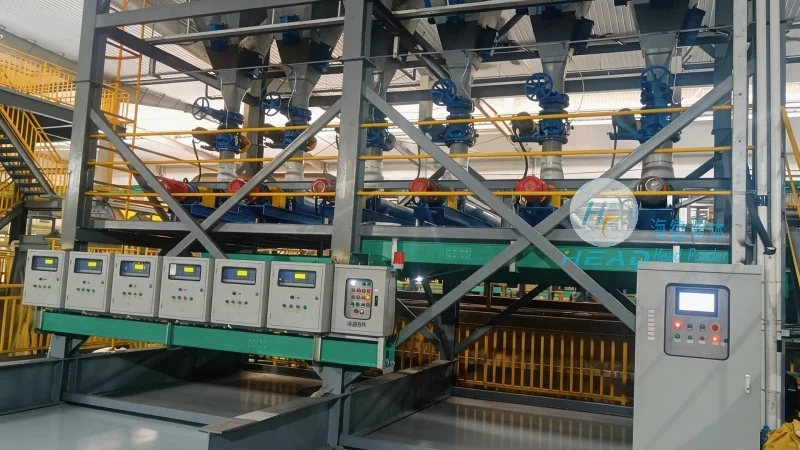
High-temperature fly ash powder conveying systems are widely used in various industrial applications, including power generation, cement production, and waste management. In power plants, these systems are essential for transporting fly ash from the boiler to storage silos or disposal sites. The ability to handle high temperatures and abrasive materials makes them ideal for this application. In cement plants, the systems are used to convey fly ash as a raw material for cement production, improving the quality and consistency of the final product.
The benefits of using high-temperature fly ash powder conveying systems extend beyond operational efficiency. These systems enhance safety by reducing the risk of manual handling of hot materials, which can lead to burns and other injuries. They also improve environmental compliance by ensuring that fly ash is transported in a controlled manner, minimizing dust emissions and preventing contamination of the surrounding environment. Furthermore, the automated nature of the system reduces labor costs and increases productivity, making it a cost-effective solution for industrial operations.




