Algae powder, a valuable resource in modern biotechnology and renewable energy sectors, requires efficient and reliable transport solutions to support industrial applications. The design of a pneumatic conveying system for algae powder involves careful consideration of material properties, operational requirements, and system integration. This article outlines key design considerations to ensure optimal performance and longevity of the conveying system.
Key Design Considerations for Pneumatic Conveying Systems
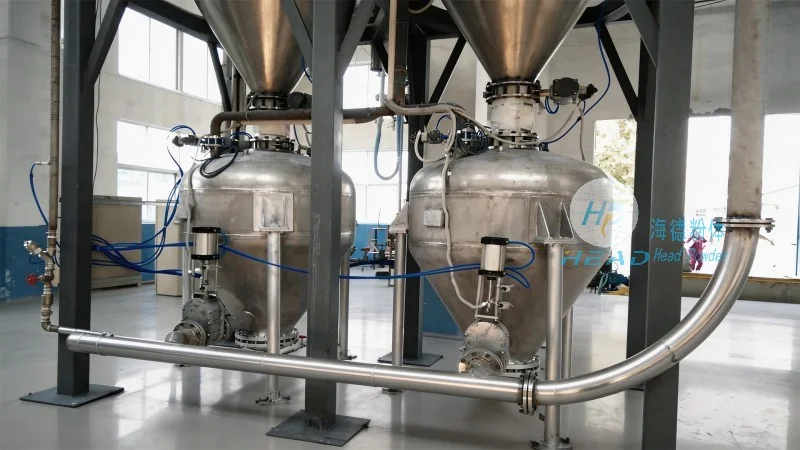
When designing a pneumatic conveying system for algae powder, several critical factors must be addressed to achieve efficient material transport. First, the physical and chemical properties of algae powder, such as particle size distribution, moisture content, and bulk density, significantly impact system selection. For instance, fine particles may require higher air velocities and specialized equipment to prevent blockages or degradation. Additionally, the system must be designed to handle variations in powder flow rates and pressure differentials, ensuring consistent performance under varying operational conditions.
System Components and Their Roles
A pneumatic conveying system typically consists of several key components, each playing a vital role in the overall operation. The feeding mechanism is responsible for introducing algae powder into the system, often using a rotary valve or screw feeder to maintain a steady flow. The conveying line, usually made of stainless steel or other corrosion-resistant materials, transports the powder through the system. The air supply system, including a blower or compressor, generates the necessary air pressure to move the powder. Finally, the separator and collection system ensures that the powder is efficiently separated from the air stream and collected in the target container.
Material Selection and Equipment Design
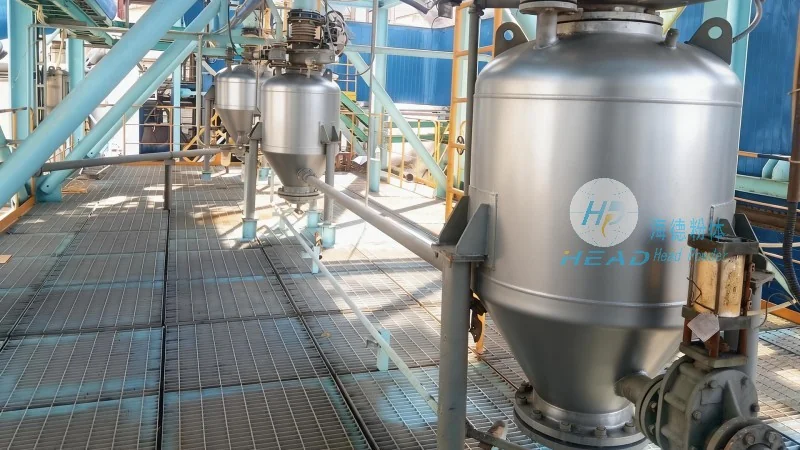
Choosing appropriate materials for the system components is crucial, especially when dealing with algae powder, which may contain moisture or corrosive compounds. Stainless steel is commonly used for the conveying line and other wetted parts due to its resistance to corrosion and ease of cleaning. The feeding equipment, such as rotary valves, should be designed to handle fine powders without causing excessive wear or clogging. Additionally, the system should incorporate features like air filtration and moisture control to maintain the quality of the algae powder during transport.
System Integration and Operational Efficiency
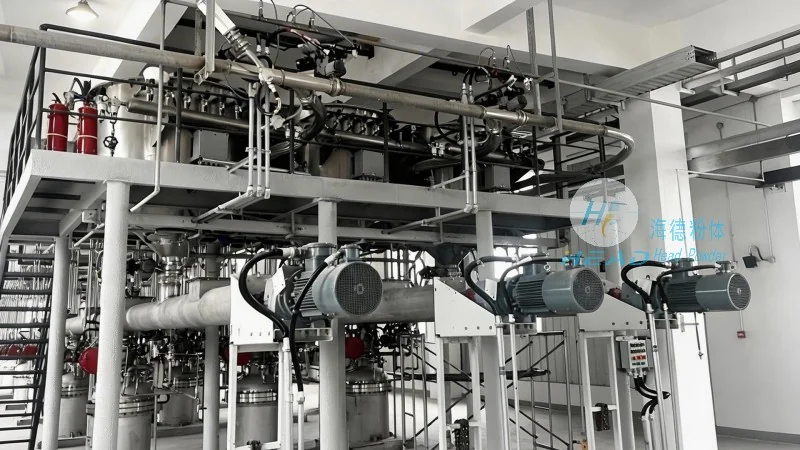
Integrating the pneumatic conveying system with existing industrial processes is essential for maximizing operational efficiency. The system should be designed to interface seamlessly with upstream and downstream equipment, such as reactors or storage tanks. This integration ensures smooth material flow and reduces downtime. Furthermore, the system should be equipped with monitoring and control systems to track pressure, flow rates, and other critical parameters, allowing for real-time adjustments and maintenance scheduling.
Maintenance and Longevity of the System
Regular maintenance is vital to ensure the long-term performance and reliability of the pneumatic conveying system. This includes cleaning the conveying line and components to prevent buildup of algae powder, inspecting the air supply system for wear or damage, and checking the feeding mechanism for proper operation. By implementing a proactive maintenance schedule, the system can maintain optimal performance and extend its service life, reducing overall operational costs.
Conclusion
Designing an effective pneumatic conveying system for algae powder requires a comprehensive approach that considers material properties, system components, and operational requirements. By addressing key design considerations and implementing appropriate materials and equipment, industrial facilities can achieve efficient and reliable transport of algae powder, supporting their production processes and contributing to the broader adoption of algae-based technologies.




