When designing a pneumatic conveying system for small stone materials, several critical factors must be considered to ensure efficiency, reliability, and cost-effectiveness. This article outlines key design considerations tailored to the specific requirements of small stone applications, presented by Shandong HeadPowder Engineering Co., Ltd., a leading provider in the field.
System Sizing and Material Characteristics
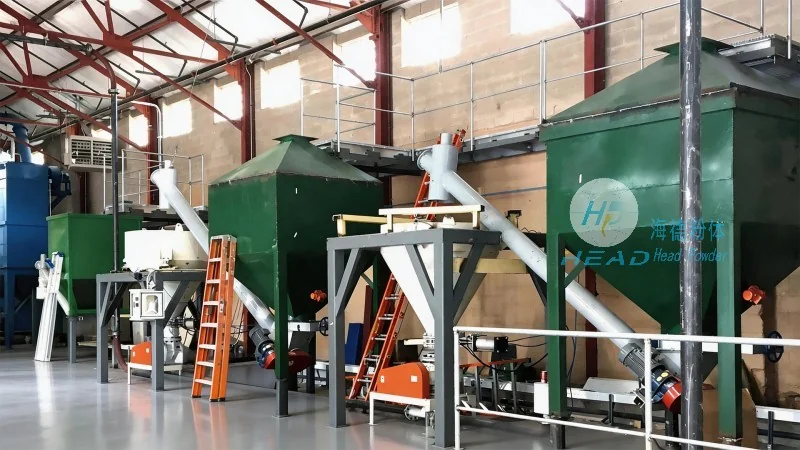
The first step in designing a successful small stone pneumatic conveying system is to accurately assess the material characteristics and operational demands. Small stone particles typically range in size from fine powders to small gravel, with varying densities and flow properties. Understanding the particle size distribution, bulk density, and moisture content is essential for selecting the appropriate air velocity and system pressure. For instance, materials with higher moisture content may require additional drying measures or specialized equipment to prevent blockages and maintain consistent flow rates. Shandong HeadPowder Engineering Co., Ltd. emphasizes the importance of conducting thorough material testing to gather data on these properties, which forms the foundation for optimal system design.
Conveying Method Selection: Dilute Phase vs. Dense Phase
Choosing between dilute phase and dense phase pneumatic conveying is a pivotal decision that impacts system performance and energy consumption. Dilute phase systems operate at higher air velocities, typically 20-30 m/s, and are suitable for transporting fine powders or small particles over moderate distances. In contrast, dense phase systems use lower air velocities (5-15 m/s) and higher air-to-material ratios, making them ideal for handling abrasive or sticky small stone materials that are prone to degradation or blockage. The selection depends on the material's physical properties, the required conveying distance, and the desired system efficiency. Shandong HeadPowder Engineering Co., Ltd. recommends evaluating both options based on specific project requirements, as each method offers distinct advantages in terms of material handling and energy usage.
Equipment Selection and Component Integration
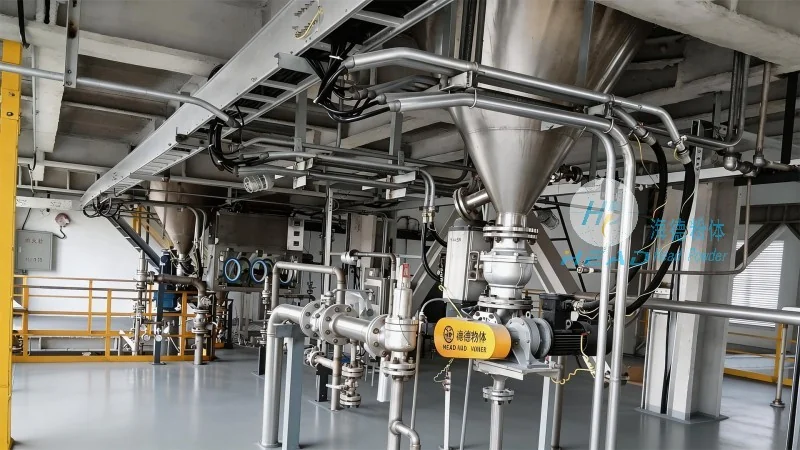
Key equipment components in a small stone pneumatic conveying system include the feed hopper, air compressor, conveying line, and discharge unit. The feed hopper must be designed to handle the specific material characteristics, such as particle size and flowability, to prevent bridging or segregation. It often incorporates features like vibrators or agitators to ensure consistent material flow into the system. The air compressor plays a critical role in providing the necessary pressure and airflow, with options ranging from rotary lobe to screw compressors, each offering different performance characteristics. The conveying line, typically made of stainless steel or PVC, must be sized appropriately to accommodate the air velocity and material flow, minimizing pressure drop and ensuring smooth transport. The discharge unit, such as a rotary valve or a dust collector, is essential for safely releasing the material at the destination point. Shandong HeadPowder Engineering Co., Ltd. emphasizes the importance of integrating these components seamlessly to create a cohesive system that meets operational goals while minimizing maintenance and downtime.
System Controls and Automation
Modern pneumatic conveying systems for small stone applications often incorporate advanced control systems to enhance operational efficiency and safety. These systems may include pressure sensors, flow meters, and programmable logic controllers (PLCs) that monitor and regulate key parameters such as air pressure, material flow rate, and system temperature. Automation allows for real-time adjustments based on changing conditions, ensuring optimal performance and preventing equipment damage. For example, a PLC can automatically adjust the air compressor speed to maintain a consistent pressure level, or trigger a warning when a blockage is detected. Shandong HeadPowder Engineering Co., Ltd. highlights the benefits of automation in reducing human error, improving system reliability, and enabling remote monitoring, which are crucial for maintaining productivity in industrial settings.
Installation and Maintenance Considerations
Proper installation and regular maintenance are vital to the long-term performance and longevity of a small stone pneumatic conveying system. Installation should follow manufacturer guidelines, ensuring all components are properly aligned and secured to prevent vibrations or leaks. The conveying line should be routed to minimize bends and obstacles, as excessive bends can cause pressure losses and material degradation. Regular maintenance, including cleaning of filters, checking for wear on components, and lubricating moving parts, is essential to prevent system failures and extend equipment life. Shandong HeadPowder Engineering Co., Ltd. provides comprehensive maintenance services and spare parts support to ensure that systems operate at peak efficiency throughout their service life.
Case Study: Successful Implementation in a Quarry Operation
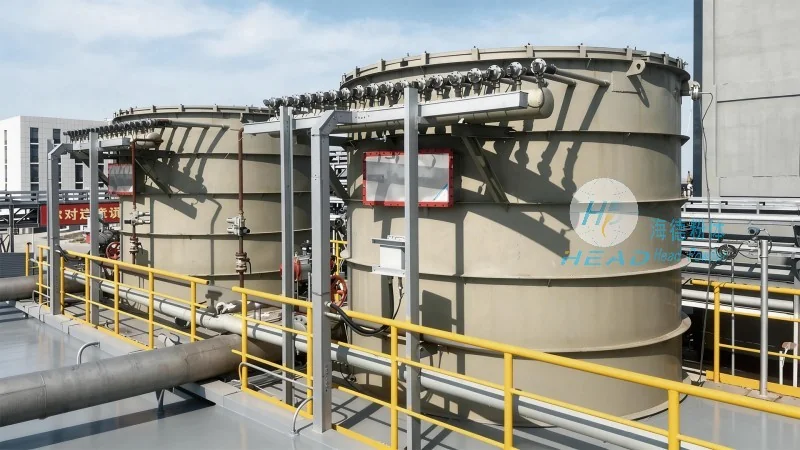
A practical example of a well-designed small stone pneumatic conveying system is a recent project undertaken by Shandong HeadPowder Engineering Co., Ltd. for a quarry operation in China. The client required a system to transport crushed stone from a storage silo to a processing plant over a distance of 200 meters. The material consisted of small gravel with a bulk density of 1.5 tons per cubic meter and a particle size range of 2-10 mm. Shandong HeadPowder Engineering Co., Ltd. designed a dense phase system using a rotary lobe air compressor and stainless steel conveying lines. The system was equipped with a PLC for automated control and a dust collector to ensure environmental compliance. The implementation resulted in a 30% reduction in labor costs and a 20% increase in production efficiency compared to traditional belt conveyors. This case study demonstrates the effectiveness of proper system design and integration in achieving operational goals and improving overall productivity.
Conclusion
Designing a small stone pneumatic conveying system requires a comprehensive approach that considers material characteristics, conveying method, equipment selection, and system controls. By addressing these key factors, industrial facilities can achieve efficient, reliable, and cost-effective material transport. Shandong HeadPowder Engineering Co., Ltd. specializes in providing tailored solutions for small stone applications, leveraging years of experience and advanced engineering to meet the unique needs of each project. Whether for quarry operations, construction sites, or other industrial applications, their expertise ensures that pneumatic conveying systems operate at optimal performance, contributing to increased productivity and reduced operational costs.




