For industrial applications involving the efficient and reliable transport of pigment masterbatches, the design of a pneumatic conveying system is critical to ensuring optimal performance, safety, and longevity. This article outlines key design considerations for such systems, emphasizing practical solutions tailored to the unique characteristics of pigment masterbatches and the operational requirements of the end-user.
System Selection and Material Characteristics
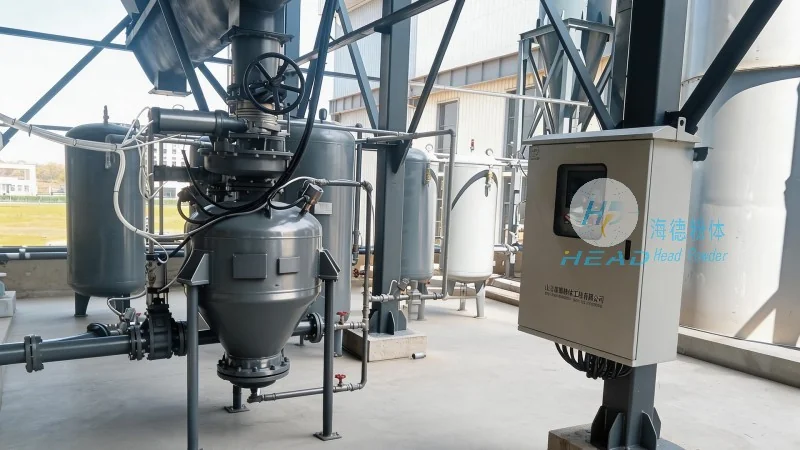
The first step in designing a pneumatic conveying system for pigment masterbatches is to evaluate the material properties of the pigment itself. Pigment masterbatches are typically composed of high-concentration pigments, additives, and carriers, which can vary significantly in terms of particle size, density, moisture content, and flowability. These characteristics directly impact the choice of conveying method—such as pressure or vacuum systems—and the necessary equipment specifications. For example, systems handling fine, dry pigments may require higher air velocities and specialized hopper designs to prevent material bridging or caking. In contrast, bulkier or more abrasive pigments might necessitate robust, wear-resistant components to mitigate equipment wear and ensure consistent flow.
Pipeline Design and Layout
The layout of the conveying pipeline is a pivotal factor in system efficiency and reliability. The pipeline design must account for the distance between the material source (e.g., storage silos or hoppers) and the discharge point (e.g., processing equipment or storage tanks). Key considerations include the number of bends, vertical and horizontal runs, and the use of expansion joints or flexible connectors to accommodate thermal expansion and reduce stress on the system. The diameter of the pipeline is also critical; it must be sized to handle the material's flow rate while minimizing pressure drop and ensuring adequate air velocity to prevent material settling. Properly designed pipelines help maintain consistent material velocity, reduce the risk of blockages, and optimize energy consumption.
Air Source and Pressure Control
The air source is a fundamental component of any pneumatic conveying system, and its selection directly influences system performance and cost. Compressed air is the most common power source, and the system design must consider the air compressor's capacity, pressure rating, and filtration requirements. For pressure systems, the compressor must generate sufficient pressure to overcome the resistance of the pipeline and the material's density, while for vacuum systems, the vacuum pump must provide adequate suction to draw material from the source. Pressure control is essential to maintain stable material flow; fluctuations in air pressure can lead to inconsistent discharge rates or system inefficiencies. Additionally, the inclusion of air filters and dryers is critical to remove contaminants and moisture, which can degrade the pigment quality and damage system components.
Control and Monitoring Systems
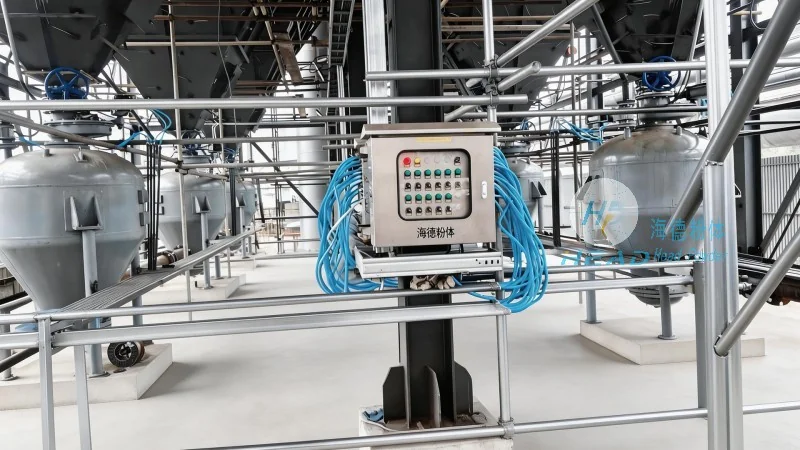
Advanced control and monitoring systems are integral to modern pneumatic conveying solutions, enabling real-time management of the conveying process. These systems typically include sensors for pressure, flow rate, and material level, as well as control valves and actuators to regulate air flow and material discharge. The integration of programmable logic controllers (PLCs) or programmable automation controllers (PACs) allows for automated operation, reducing the need for manual intervention and improving process consistency. Real-time monitoring also enables early detection of system issues, such as pressure drops or material blockages, allowing for prompt maintenance and minimizing downtime. For example, a system might include a level sensor in the hopper to trigger material feeding when the level falls below a certain threshold, or a pressure sensor to adjust air flow in response to changes in material density.
Safety and Maintenance Considerations
Safety is a paramount concern in the design of any industrial conveying system, particularly when handling pigments that may be hazardous or cause respiratory issues. The system must incorporate safety features such as explosion-proof components, emergency shut-off valves, and dust collection systems to prevent dust accumulation and potential explosions. Regular maintenance is also critical to ensure system longevity and performance. This includes routine cleaning of filters, inspection of wear parts, and calibration of control systems. Proper maintenance schedules help identify and address issues before they escalate into major problems, reducing the risk of system failures and downtime. For instance, a system might require weekly filter cleaning and monthly inspection of pipeline joints to ensure leak-free operation.
Integration with Processing Equipment
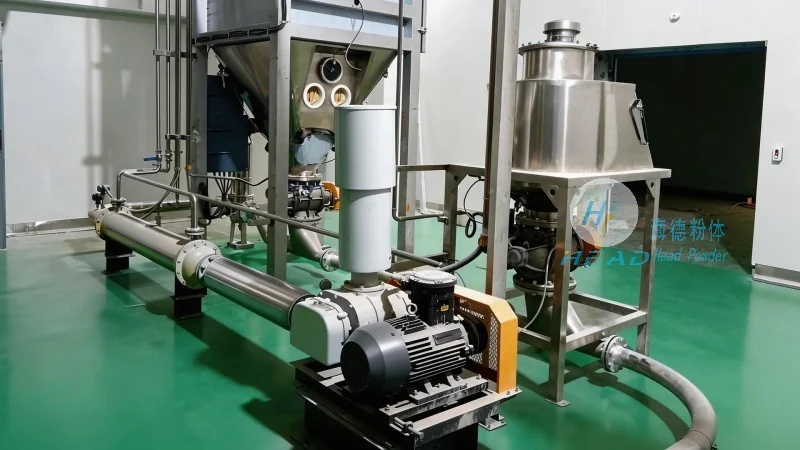
The successful integration of the pneumatic conveying system with downstream processing equipment is essential for seamless operation. The discharge point of the system must be designed to match the input requirements of the processing machinery, such as extruders, mixers, or granulators. This may involve the use of feeders, such as rotary valves or vibratory feeders, to regulate the material flow and prevent overloading the processing equipment. The system must also account for the material's temperature and moisture content, as these factors can affect the processing performance. For example, if the pigment masterbatch is being fed into an extruder, the conveying system may need to include a temperature control mechanism to maintain the material at the optimal processing temperature. Proper integration ensures that the material is delivered to the processing equipment in the correct condition, maximizing production efficiency and product quality.
Case Study: Application in Plastics Manufacturing
To illustrate the practical application of these design considerations, consider a case study in the plastics manufacturing industry. A plastics compounding plant in China required a pneumatic conveying system to transport pigment masterbatches from storage silos to an extrusion line. The system was designed by Shandong HeadPowder Engineering Co., Ltd. (headpowder), a company specializing in material handling solutions. The design process began with an analysis of the pigment masterbatch properties, which included fine particle size and high density. A pressure pneumatic conveying system was selected, with a pipeline layout optimized to minimize bends and pressure drop. The air compressor was sized to provide sufficient pressure, and a filtration system was installed to remove moisture and contaminants. The control system included level sensors and pressure monitoring to ensure consistent material flow. The system was installed and commissioned, and it achieved a stable conveying rate of 5 tons per hour, with minimal downtime. The plant reported improved production efficiency and reduced material waste due to the reliable operation of the conveying system.




