When designing a pneumatic conveying system for crystal particles, several key factors must be considered to ensure efficient and reliable operation. The system's performance is directly influenced by the characteristics of the crystal particles, such as size, density, and moisture content, as well as the operational environment and process requirements. A well-designed system not only enhances material handling efficiency but also minimizes operational costs and maintenance needs.
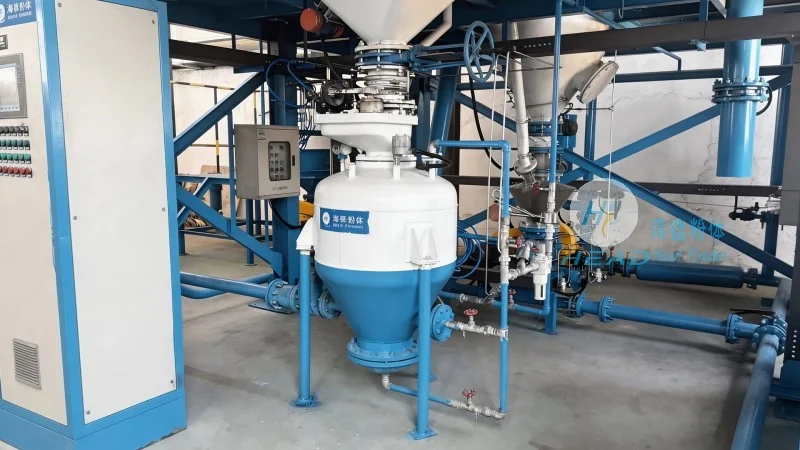
System Components and Design Principles
The core components of a crystal particle pneumatic conveying system typically include a hopper, feeder, airlock, conveying line, and receiver. Each component plays a critical role in the overall system performance. The hopper is designed to store the crystal particles and provide a consistent feed to the feeder. The feeder, often a rotary valve or a mass flow feeder, ensures a controlled and uniform material flow into the conveying line. The airlock, positioned between the hopper and the conveying line, prevents backflow and maintains system pressure. The conveying line, usually made of stainless steel or other corrosion-resistant materials, transports the particles through the system. The receiver collects the material at the destination and may include a discharge valve or a discharge system.
Material Characteristics and Their Impact on System Design
Crystal particles vary widely in their physical properties, which significantly affect the system design. For instance, fine particles may require higher air velocities to prevent clogging or deposition in the conveying line, while larger particles might need a higher pressure or a different type of feeder to maintain flow. The density and shape of the particles also influence the system's capacity and energy consumption. Moisture content is another critical factor; high moisture levels can lead to clumping or corrosion, necessitating additional drying or moisture control measures. Understanding these material characteristics is essential for selecting the appropriate conveying method, such as dilute phase or dense phase, and for sizing the system components correctly.
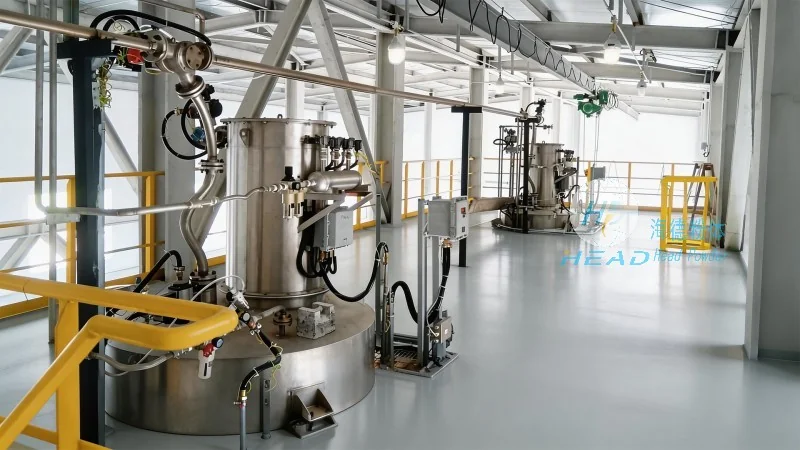
Feeder Selection and Control Systems
The feeder is a critical component that directly impacts the system's performance and reliability. For crystal particles, a rotary valve or a mass flow feeder is commonly used. A rotary valve provides a consistent flow rate and can handle a wide range of particle sizes, while a mass flow feeder ensures accurate and controlled material delivery, which is crucial for processes requiring precise dosing. The control system, often integrated with the feeder, monitors the material flow and adjusts the air pressure or flow rate as needed to maintain stable operation. Advanced control systems may include sensors to detect blockages or changes in material flow, allowing for automatic adjustments and preventing system downtime.
Conveying Line Design and Material Handling
The conveying line design must consider the particle characteristics and the required conveying distance. For short distances, a dilute phase system, where particles are suspended in the air stream, is often used. This system is energy-efficient and suitable for fine particles. For longer distances or larger particles, a dense phase system, where particles are conveyed in a slurry-like state, may be more appropriate. The line diameter and material of construction are also important; larger diameters reduce pressure drop and energy consumption, while stainless steel or other corrosion-resistant materials are essential for handling crystal particles that may be abrasive or corrosive. The line may also include bends, expansions, or restrictions, which must be designed to minimize pressure loss and prevent particle degradation or clogging.
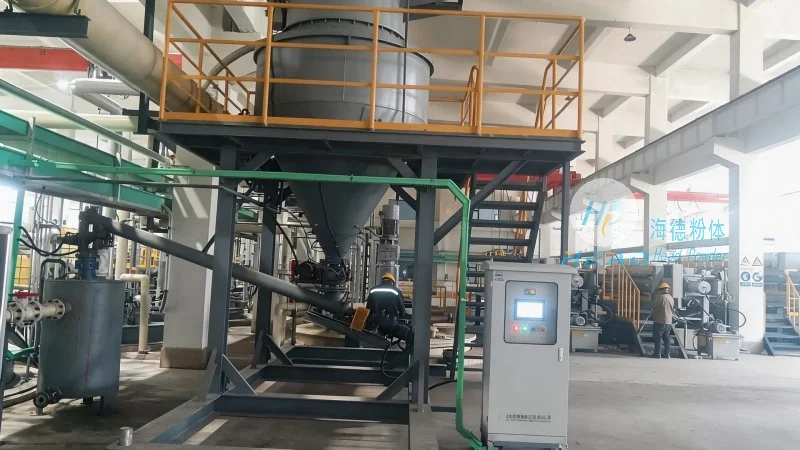
Receiver and Discharge Systems
The receiver is responsible for collecting the material at the destination and may include a discharge valve or a discharge system. The design of the receiver must ensure that the material is discharged smoothly and without causing blockages or spillage. For some applications, a surge tank or a storage hopper may be included to buffer the material flow and maintain system stability. The discharge system may include a rotary valve or a gate valve, depending on the material characteristics and the process requirements. Proper sealing and maintenance of the receiver and discharge system are crucial to prevent material loss and contamination.
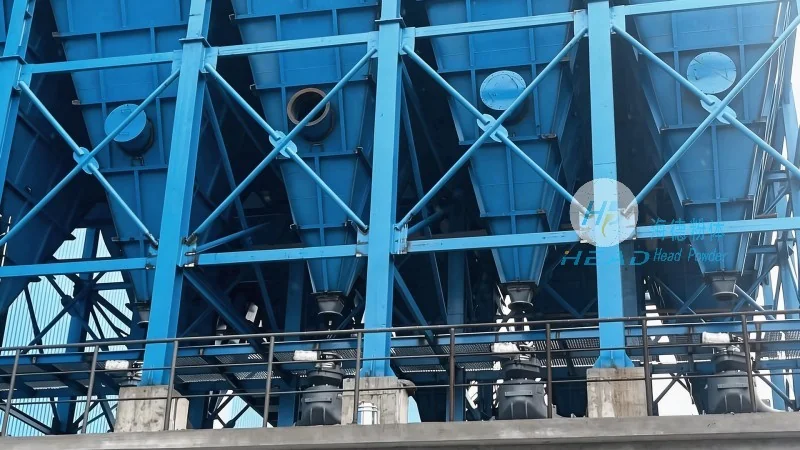
System Integration and Automation
Modern crystal particle pneumatic conveying systems are often integrated with automation and control systems to enhance performance and reduce operational costs. These systems may include sensors to monitor pressure, temperature, and material flow, as well as control panels to manage the system's operation. Automation allows for real-time monitoring and adjustment of the system parameters, ensuring optimal performance and minimizing downtime. Additionally, the system may be integrated with other process equipment, such as mixers or reactors, to create a seamless material handling process. This integration improves overall plant efficiency and reduces the need for manual intervention.
Maintenance and Troubleshooting
Regular maintenance is essential to ensure the long-term performance and reliability of the crystal particle pneumatic conveying system. Key maintenance tasks include cleaning the hopper and conveying line, inspecting the feeder and airlock for wear or damage, and checking the control system for proper operation. Regular inspections can help identify potential issues before they become major problems, reducing the risk of system downtime. Troubleshooting is also an important part of system operation, as issues such as clogging, pressure loss, or material degradation can occur. Common troubleshooting steps include checking the air supply, inspecting the particle feed, and verifying the system's control settings. By following proper maintenance procedures and troubleshooting guidelines, the system can operate efficiently and reliably for many years.




