HeadPowder, a leading engineering firm based in Shandong, China, specializes in the design and implementation of efficient coal gangue powder pneumatic conveying systems. This document outlines key design considerations to ensure optimal performance, reliability, and safety in such systems.
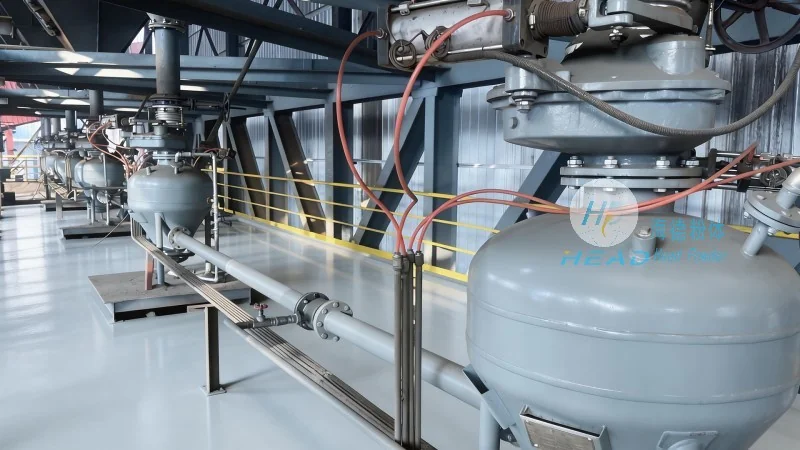
Key Design Considerations for Pneumatic Conveying Systems
The successful implementation of a coal gangue powder pneumatic conveying system relies on a comprehensive understanding of material properties, operational requirements, and engineering principles. Several critical factors must be addressed during the design phase to achieve efficient material transport and minimize operational issues.
Material Characterization and Flow Properties
Before designing the system, it is essential to characterize the coal gangue powder. Key properties such as particle size distribution, moisture content, bulk density, and flowability are crucial. These parameters influence the selection of the conveying method (e.g., dilute-phase or dense-phase), the required air velocity, and the pressure drop across the system. For example, fine particles may require higher air velocities to prevent clogging, while high moisture content can affect the material's cohesion and increase the risk of blockages.
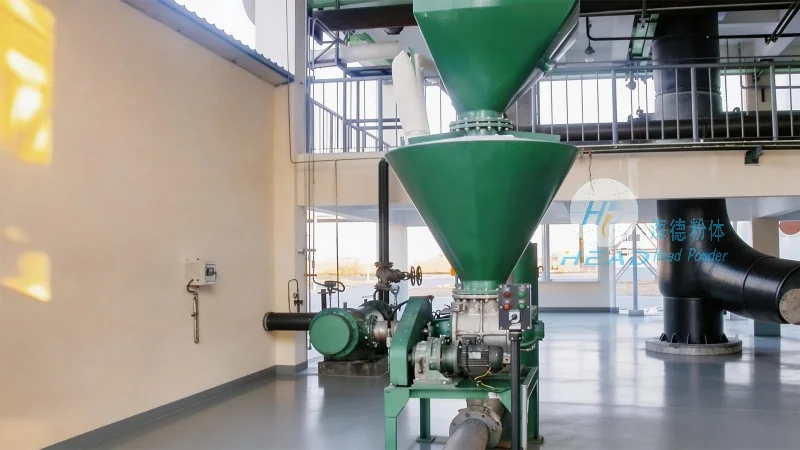
System Layout and Pipeline Design
The layout of the pneumatic conveying system significantly impacts its performance and maintenance requirements. The design should consider the source and destination points, the vertical and horizontal distances to be covered, and any obstacles or changes in elevation. The pipeline diameter is a critical parameter; it must be sized to accommodate the material flow rate while maintaining an appropriate air-to-material ratio to avoid excessive pressure drop or particle degradation. For instance, a larger diameter may reduce pressure loss but increase air consumption, while a smaller diameter can lead to higher velocities and potential wear on the pipeline.
Pressure and Air Flow Management
Effective control of pressure and air flow is vital for stable operation. The system typically includes a blower or compressor to generate the necessary air pressure. The pressure level must be sufficient to overcome the resistance from the pipeline, fittings, and material particles. A pressure control system, often incorporating a regulator and a safety valve, ensures consistent performance and protects the equipment from overpressure. Additionally, the air flow rate must be optimized to maintain the desired conveying velocity. Variable frequency drives (VFDs) can be used to adjust the blower speed, allowing for flexible operation under varying load conditions.
Equipment Selection and Integration
Choosing the right equipment is essential for the system's efficiency and longevity. Key components include the material feeders (e.g., rotary valves or screw conveyors), the conveying line (e.g., stainless steel or PVC pipes), and the air separation and collection equipment (e.g., cyclones or filters). The feeders must be capable of handling the bulk density and flow characteristics of the coal gangue powder without causing blockages or material degradation. The conveying line material should be selected based on the material's corrosiveness and abrasiveness; for example, stainless steel is suitable for abrasive materials, while PVC may be used for non-corrosive applications. The air separation system is critical for recovering the conveyed material and cleaning the air before discharge, ensuring compliance with environmental regulations.
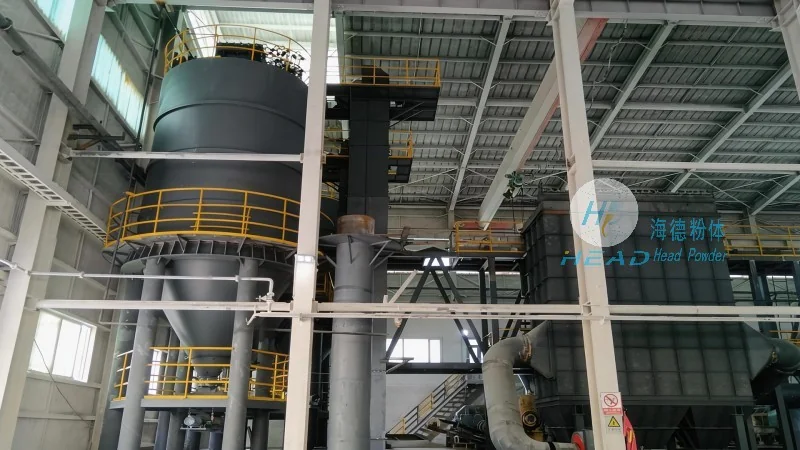
Control and Monitoring Systems
Modern pneumatic conveying systems often incorporate advanced control and monitoring features to enhance operational efficiency and safety. These systems may include sensors to measure pressure, flow rate, and material level, as well as control panels to adjust the system parameters in real-time. Automated controls can optimize the air flow and pressure based on the material feed rate, reducing energy consumption and preventing overloading. Additionally, alarm systems are installed to detect and alert operators to any abnormalities, such as pressure spikes or material blockages, allowing for timely intervention and minimizing downtime.
Installation and Maintenance Considerations
Proper installation and regular maintenance are crucial for the long-term performance of the system. During installation, all components must be properly aligned and secured to prevent vibrations and leaks. The pipeline should be checked for any bends or kinks that could cause pressure losses or material accumulation. Regular maintenance includes cleaning the filters and cyclones, inspecting the blower and motor for wear, and checking the seals for leaks. By adhering to a maintenance schedule, the system's efficiency and lifespan can be significantly extended, ensuring reliable operation over time.




