Coal and coke are fundamental raw materials in the metallurgical and chemical sectors. The efficient and reliable transportation of these bulk materials is pivotal for maintaining smooth production line operations. Pneumatic conveying systems have become a preferred solution due to their capability to handle abrasive and dusty materials while minimizing environmental impact and operational costs. This article provides a comprehensive overview of the design principles, key components, and practical considerations for coal and coke pneumatic conveying systems, tailored for industrial applications.
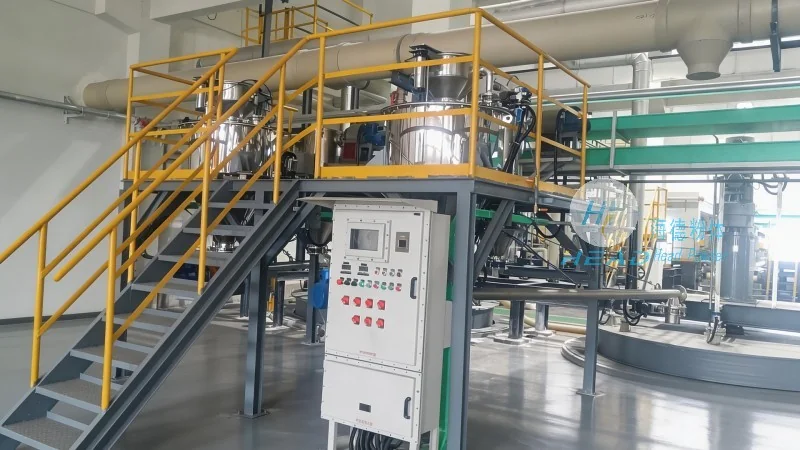
Key Design Considerations for Coal and Coke Pneumatic Conveying
The design of a coal and coke pneumatic conveying system involves several critical factors that directly impact its performance, efficiency, and longevity. The initial step is to assess the material characteristics, including particle size distribution, moisture content, density, and abrasiveness. These properties dictate the selection of the appropriate conveying method—such as dilute-phase or dense-phase transport—and the required air velocity and pressure. For coal and coke, which are typically coarse and abrasive, a dilute-phase system is often preferred as it offers higher throughput and lower equipment wear compared to dense-phase systems.
Core Components of a Pneumatic Conveying System
A typical coal and coke pneumatic conveying system consists of several interconnected components, each playing a vital role in the material transport process. The primary components include the material feed hopper, air supply system (blower or compressor), conveying line (flexible or rigid pipes), control valves, and the receiving hopper. The feed hopper is designed to store and meter the bulk material, ensuring a consistent flow into the system. It often incorporates a rotary valve or a gate valve to regulate the material discharge rate. The air supply system provides the necessary pressure and volume of air to entrain the material particles. For coal and coke applications, high-pressure blowers or compressors are commonly used to generate the required air velocity. The conveying line is typically made of stainless steel or high-grade plastic to withstand the abrasive nature of the material and prevent corrosion. Control valves, such as butterfly or ball valves, are used to regulate the air flow and pressure, allowing for precise control over the conveying process. The receiving hopper collects the material at the destination point and may include a dust collection system to prevent environmental contamination.
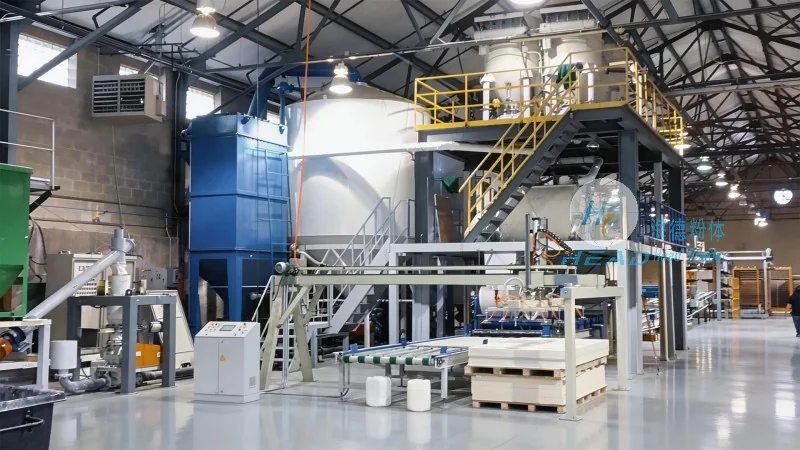
System Sizing and Performance Analysis
Proper system sizing is essential to ensure optimal performance and avoid operational issues such as blockages or excessive energy consumption. The design process begins with determining the required conveying capacity, which is typically expressed in terms of material flow rate (e.g., tons per hour). This is followed by calculating the air velocity and pressure needed to transport the material through the system. The air velocity must be high enough to entrain the particles but low enough to prevent excessive wear on the conveying line. The pressure drop along the conveying line is a critical parameter that affects the energy consumption of the system. Engineers use empirical formulas and software tools to calculate the pressure drop based on the material properties, pipe diameter, and length. The system's performance is also evaluated under different operating conditions, such as varying material feed rates or changes in ambient temperature. This analysis helps identify potential bottlenecks and allows for adjustments to the system design to improve efficiency.
Material Handling Challenges and Solutions
Coal and coke are known for their abrasive and dusty nature, which can pose significant challenges to the pneumatic conveying system. Abrasion can cause wear on the conveying line and components, leading to increased maintenance costs and reduced system lifespan. To mitigate this, the system components are often made of high-strength materials, such as stainless steel or wear-resistant alloys. Additionally, the use of flexible hoses with reinforced inner linings can help reduce wear and extend the service life of the conveying line. Dust control is another critical aspect of coal and coke handling. The system may include dust collection equipment, such as cyclones or bag filters, to capture and remove airborne particles. This not only improves environmental compliance but also prevents dust accumulation in the system, which can lead to blockages or equipment failure. Proper sealing of the feed and receiving hoppers is also essential to minimize dust emissions and maintain a clean operating environment.
Installation and Maintenance Considerations
The successful implementation of a coal and coke pneumatic conveying system requires careful planning and execution. Installation involves the proper alignment and connection of all components, ensuring that the conveying line is free from kinks or bends that could cause blockages. The system must be installed in a way that allows for easy access to maintenance points, such as the blower, valves, and hopper components. Regular maintenance is crucial to ensure the system operates at peak efficiency. This includes routine checks of the air supply system, inspection of the conveying line for wear or damage, and cleaning of the dust collection equipment. The maintenance schedule should be tailored to the specific operating conditions and material characteristics, with more frequent inspections during periods of high material throughput or when handling abrasive materials. Proper maintenance not only extends the system's lifespan but also reduces downtime and operational costs.
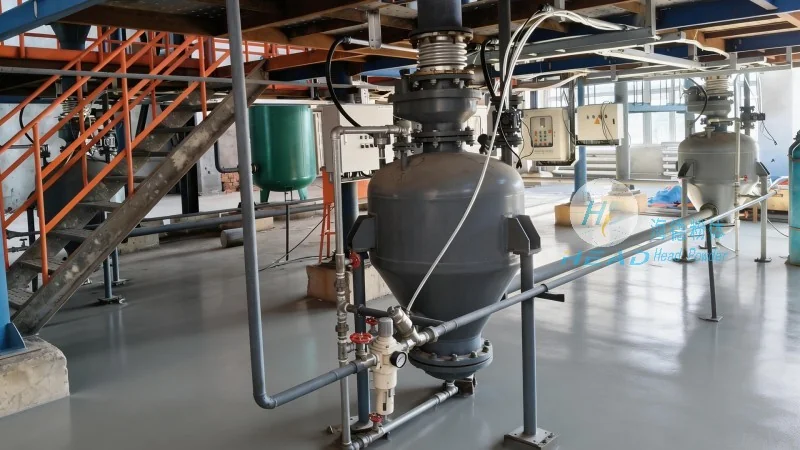
Case Study: HeadPowder's Coal and Coke Pneumatic Conveying System
Shandong HeadPowder Engineering Co., Ltd., a leading provider of bulk material handling solutions, has extensive experience in designing and implementing coal and coke pneumatic conveying systems. The company's expertise lies in tailoring systems to meet the specific needs of clients, ensuring optimal performance and reliability. For example, one of their recent projects involved the design of a dilute-phase system for a steel plant in Shandong, China. The system was designed to transport 100 tons of coal per hour over a distance of 200 meters. The system incorporated high-pressure blowers, stainless steel conveying lines, and advanced control valves to ensure smooth and efficient operation. The client reported significant improvements in production efficiency and reduced maintenance costs after the system was installed. HeadPowder's commitment to quality and customer satisfaction has made them a trusted partner in the bulk material handling industry.
Conclusion
Coal and coke pneumatic conveying systems are a vital component of modern industrial operations, offering efficient and reliable transportation of bulk materials. The design of such systems requires careful consideration of material properties, system components, and operational conditions. By adhering to best practices in system sizing, component selection, and maintenance, industrial facilities can achieve optimal performance and minimize operational costs. Shandong HeadPowder Engineering Co., Ltd. continues to lead the way in providing innovative and reliable solutions for coal and coke handling, helping clients improve their production processes and achieve their business objectives.




