Quicklime, also known as calcium oxide, is a vital industrial material used extensively in sectors like steel production, chemical manufacturing, and environmental treatment. The efficient and reliable transportation of quicklime from storage to processing units is critical for maintaining production efficiency and ensuring product quality. This article outlines the design principles and key considerations for a quicklime pneumatic conveying system, highlighting the technical solutions offered by Shandong HeadPowder Engineering Co., Ltd., a leading manufacturer in the field.
Company Overview
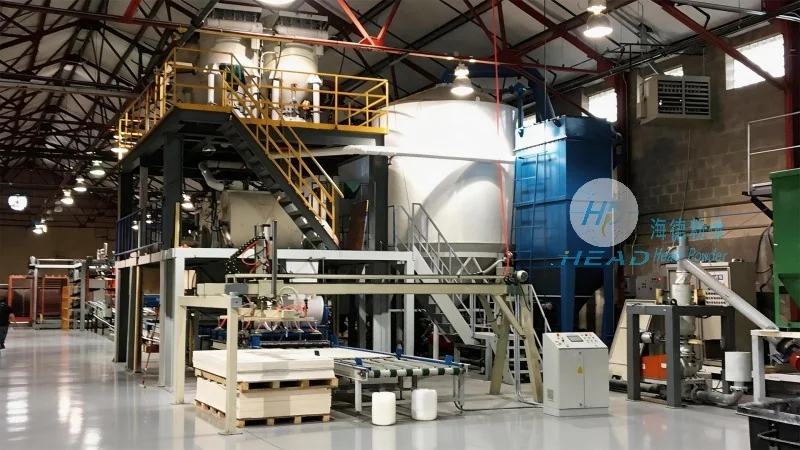
Shandong HeadPowder Engineering Co., Ltd., commonly referred to as HeadPowder, is a professional manufacturer and supplier specializing in pneumatic conveying systems and related industrial equipment. With a strong emphasis on innovation and customer-centric solutions, HeadPowder has built a reputation as a trusted partner for clients seeking advanced material handling solutions. The company is headquartered in Shandong, China, and leverages years of industry experience to deliver high-quality, customized systems tailored to specific operational needs.
System Design Principles
The design of a quicklime pneumatic conveying system follows a systematic approach that integrates material properties, operational requirements, and safety regulations. The primary objective is to ensure the safe and efficient transport of quicklime, a fine, dusty powder with high reactivity. Key design principles include selecting appropriate air flow rates, pressure levels, and pipeline configurations to minimize material degradation and prevent system blockages. The system must also comply with industrial safety standards to protect operators and equipment from dust explosions and other hazards.
Key Components and Functionality
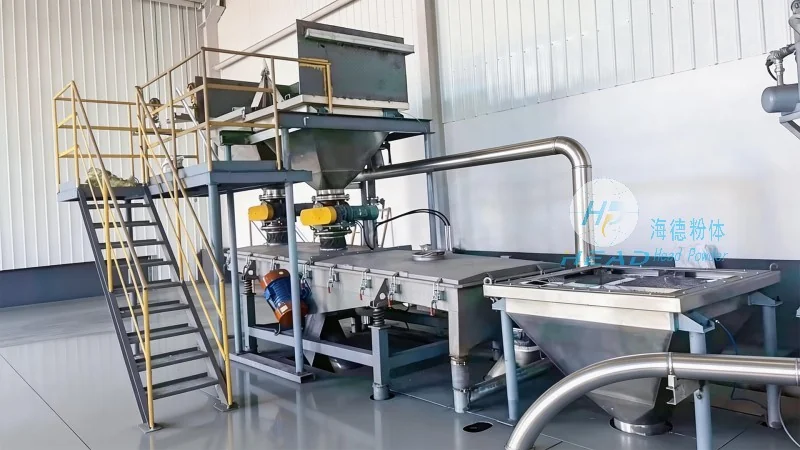
A typical quicklime pneumatic conveying system comprises several critical components, each playing a vital role in the overall operation. The main components include a hopper or silo for material storage, a rotary airlock feeder to control material discharge, a positive displacement blower or air compressor to generate the necessary air pressure, a pipeline network for material transport, and a receiver or discharge hopper at the destination. The rotary airlock feeder ensures a consistent and controlled flow of quicklime into the system, preventing clogging and maintaining stable air flow. The blower provides the required pressure to move the material through the pipeline, with adjustable speed controls allowing for precise flow rate management. The pipeline design, often using stainless steel or other corrosion-resistant materials, is optimized to minimize pressure drop and prevent material accumulation.
Application Scenarios
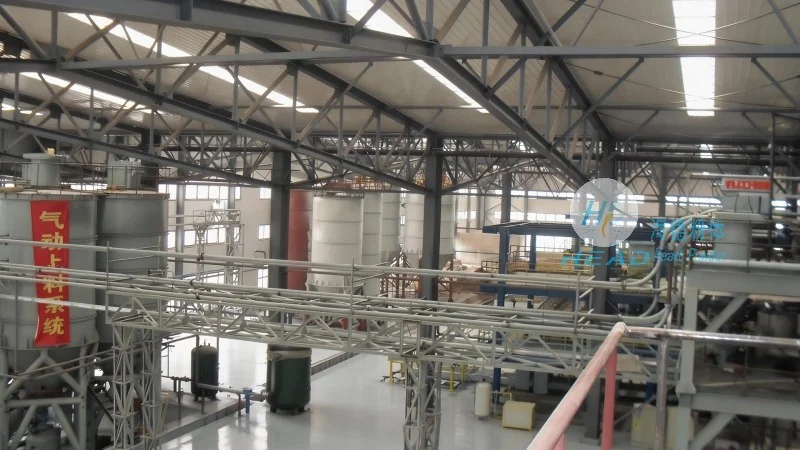
Quicklime pneumatic conveying systems are widely applied in various industrial settings where bulk material handling is required. In steel mills, for example, quicklime is used as a flux in the steelmaking process, and the system efficiently transports it from storage to the blast furnace or ladle. In chemical plants, quicklime is used in the production of calcium carbide, sodium hydroxide, and other chemicals, with the conveying system ensuring a continuous supply of raw material. Environmental treatment facilities also utilize quicklime for flue gas desulfurization and wastewater treatment, where the system delivers the material to reactors and treatment units. The versatility of the system makes it suitable for a wide range of applications, from small-scale laboratory operations to large-scale industrial production lines.
Technical Advantages
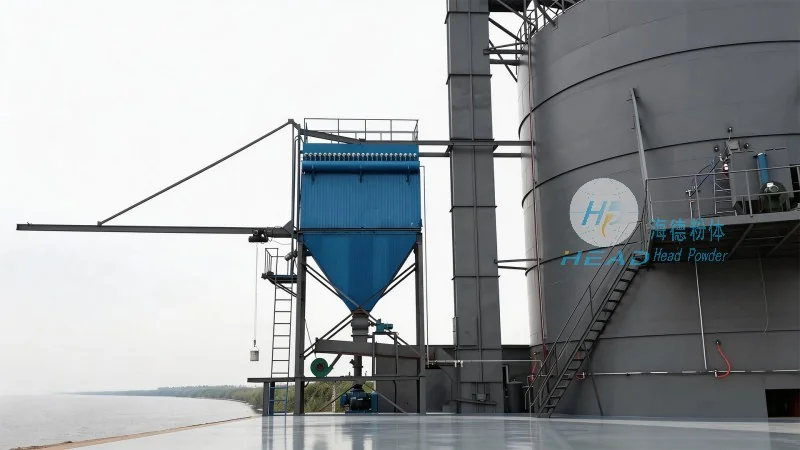
Compared to traditional mechanical conveying methods, quicklime pneumatic conveying systems offer several technical advantages that enhance operational efficiency and reduce costs. One of the primary benefits is the ability to transport material over long distances without intermediate storage or transfer points, minimizing material loss and contamination. The system also provides better control over material flow, allowing for precise dosing and dosing rates, which is critical in processes requiring exact material quantities. Additionally, pneumatic conveying systems are more compact and require less floor space compared to traditional belt or screw conveyors, ideal for facilities with limited space. The use of stainless steel components and advanced sealing technologies ensures minimal dust leakage, improving workplace safety and reducing environmental impact. Furthermore, the system's ability to handle fine powders without clogging or degradation makes it suitable for sensitive materials like quicklime, which can degrade or react with other substances if not handled properly.
Conclusion
In conclusion, the design of a quicklime pneumatic conveying system is a complex but essential process that requires careful consideration of material properties, operational requirements, and safety standards. Shandong HeadPowder Engineering Co., Ltd. leverages its expertise and advanced technology to provide customized solutions that meet the specific needs of clients. By implementing a well-designed pneumatic conveying system, industrial facilities can improve production efficiency, reduce material loss, and enhance workplace safety. The continued development of such systems will play a crucial role in the efficient handling of quicklime and other fine powders, supporting the growth and sustainability of various industrial sectors.




